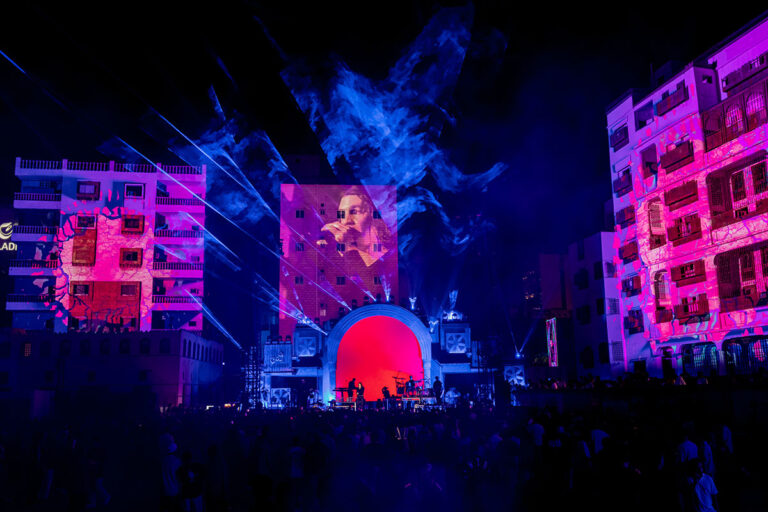



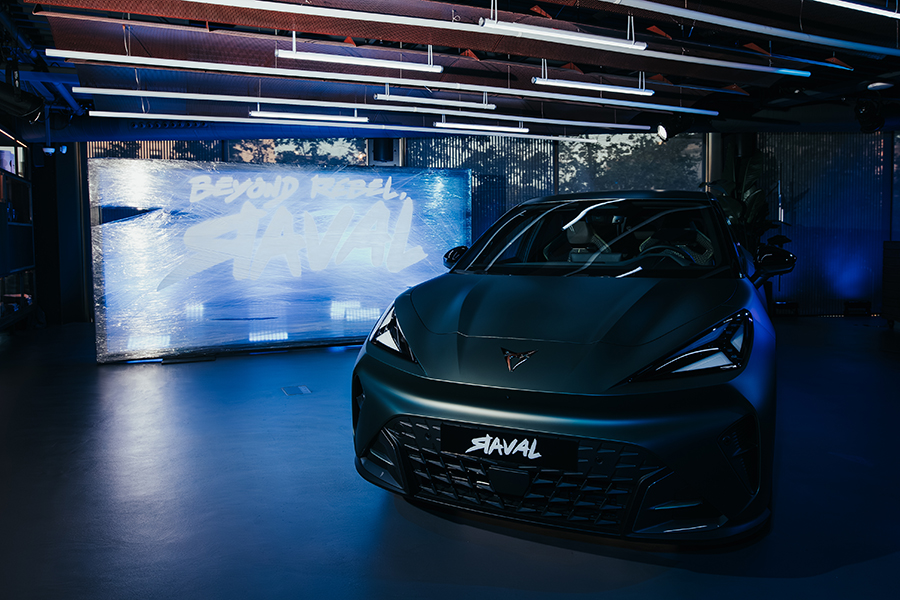
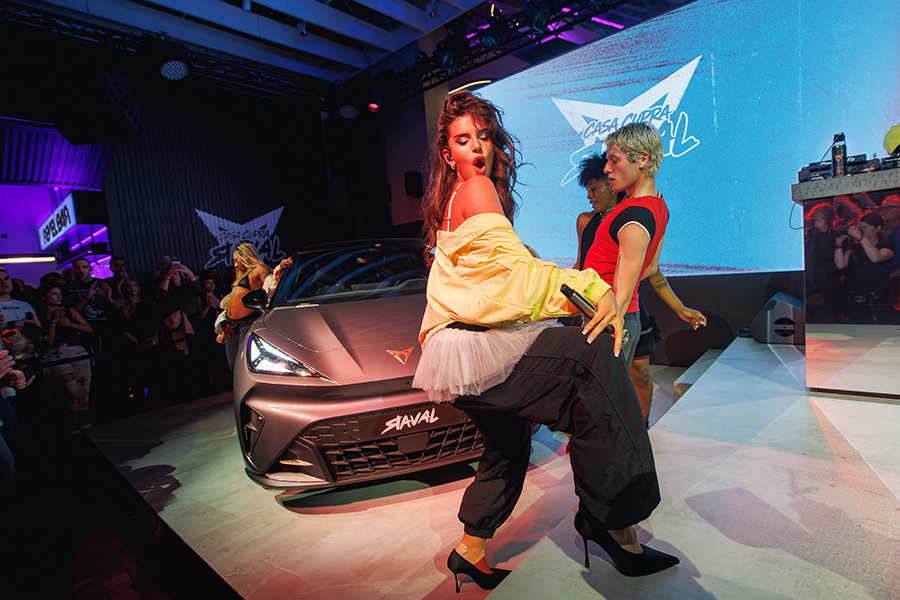
Carmakers love the language of disruption, but most launches still arrive wrapped in the same old theatre. A dramatic reveal, a carefully managed crowd, a polished speech about the future. CUPRA decided to do something far more alive with the debut of the new Raval. Instead of presenting its latest model in a sealed corporate environment, it turned the launch into a continent wide street level event, staging six simultaneous concerts across European city centres and pushing the car directly into the cultural bloodstream of Barcelona, Madrid, Paris, Berlin, Manchester and Milan.
That matters because the Raval is not being sold as a neutral piece of electric mobility. CUPRA is framing it as a car with place, personality and pulse. Designed, developed and produced in Barcelona, the model takes its name from one of the city’s most layered and unpredictable neighbourhoods. It arrives with up to 450 kilometres of range, a distinctly athletic silhouette, Matrix LED headlamps and an illuminated logo, but the engineering is only part of the proposition. The car is being introduced as an object shaped by the street and intended for it.
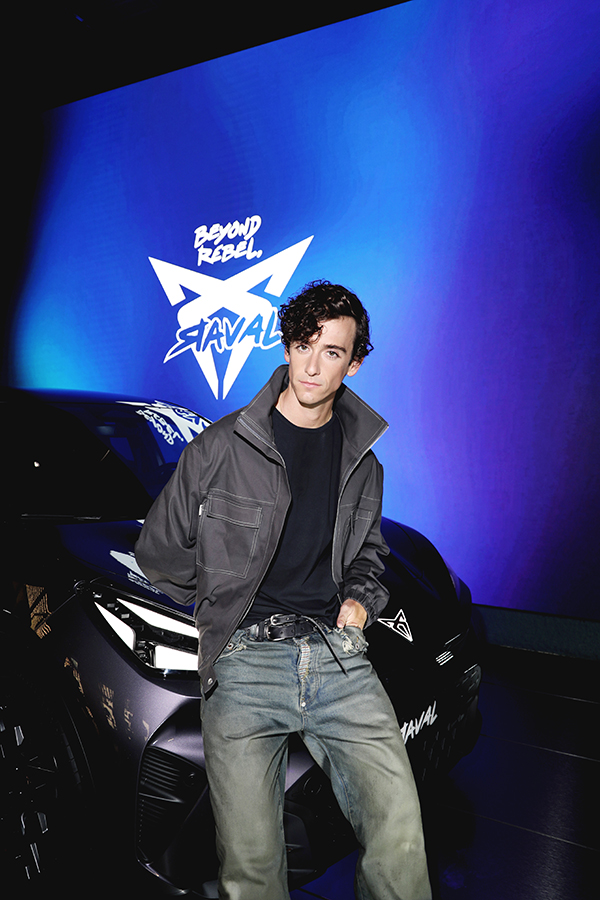
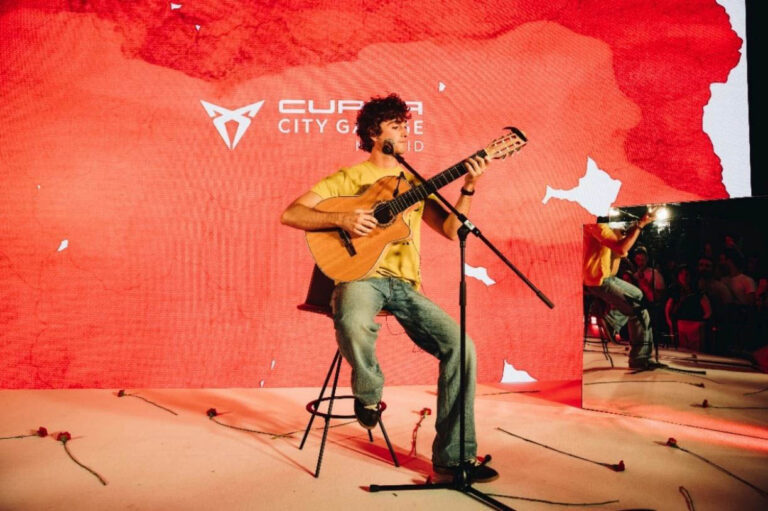
The launch strategy made that point far more convincingly than any executive speech could. In Barcelona, Nathy Peluso took over Plaça Catalunya. In Madrid, Guitarricadelafuente brought the same jolt of energy to Puerta del Sol. From there, the experience moved inward but never lost its charge. In Barcelona, the brand’s Paseo de Gràcia space was reintroduced as CASA CUPRA Raval for the occasion. In Madrid, CUPRA City Garage became the next act, complete with exclusive visuals in its immersive room, DJ sets and a RAVALISE Corner where guests could customise branded hoodies, shirts and caps in real time.
This is where CUPRA looks sharper than many rivals. It understands that launches no longer build desire through engineering alone. They need atmosphere, context, collaborators, cultural fluency and the feeling that this is a world worth entering. That is why spaces like CASA CUPRA Raval and CUPRA City Garage Madrid matter so much. They are still showrooms, and they still sell cars, but they operate as something broader and far more contemporary: physical cultural interfaces where product, people and performance feed each other.
“As a global brand, CUPRA’s ambition knows no borders, and neither does our Tribe. That’s why we took a completely groundbreaking, decentralised approach to the launch of the most important model in our history. The CUPRA City Garages are our core hubs, where we experience the brand from every angle, so there’s no better place to showcase the CUPRA Raval to the people who make the brand, no matter where they are.”
Ignasi Prieto, Chief Brand Officer at CUPRA

The guest list reinforced the point. In Barcelona, names including Marc ter Stegen, J.A. Bayona and Daniel Brühl were part of the crowd. In Madrid, Saúl Craviotto, Recycled J and Pablo Erroz were among those attending. This was not a room dominated by traditional motoring press. It was social, creative and culturally fluent, which is precisely how CUPRA wants the brand to read.
There is also a bigger strategic signal here. As electrification becomes standard, car brands can no longer rely on technology alone to stand apart. They need design, story, space and cultural relevance. CUPRA seems to understand that instinctively. The Raval may be a new electric urban model, but the launch made clear that the company is selling more than a vehicle. It is selling entry into a mood, a scene and a city shaped way of life.
That is what made this reveal interesting. CUPRA did not just launch a car. It staged a synchronised six city cultural moment and made the Raval feel less like a vehicle reveal and more like a statement of intent. That is a much harder trick to pull off, and a much more compelling one.