

As investors gathered in Rome this week for FII Europe, much of the conversation centred on a question that has become familiar across developed economies: where will the next wave of growth come from?
Europe remains home to some of the world’s most admired companies, deepest capital markets and most recognisable brands. Yet many investors are wrestling with slower growth, ageing populations, political uncertainty and increasingly saturated markets. Opportunities still exist, but finding sectors capable of delivering transformational rather than incremental returns has become considerably harder.
Against that backdrop, Saudi Arabia’s tourism sector is beginning to attract a different kind of attention.
Only a few years ago, the Kingdom’s tourism ambitions were viewed by many outsiders as an intriguing but largely untested proposition. New luxury destinations would emerge along untouched coastlines. Wellness resorts would compete with the best in the world. Ancient heritage sites would be transformed into global attractions. A country with almost no track record in mainstream leisure travel would suddenly become one of the industry’s most important new frontiers.
Today, the discussion has changed. Investors are no longer asking whether Saudi Arabia can build a tourism industry. They are asking how large that industry can become.
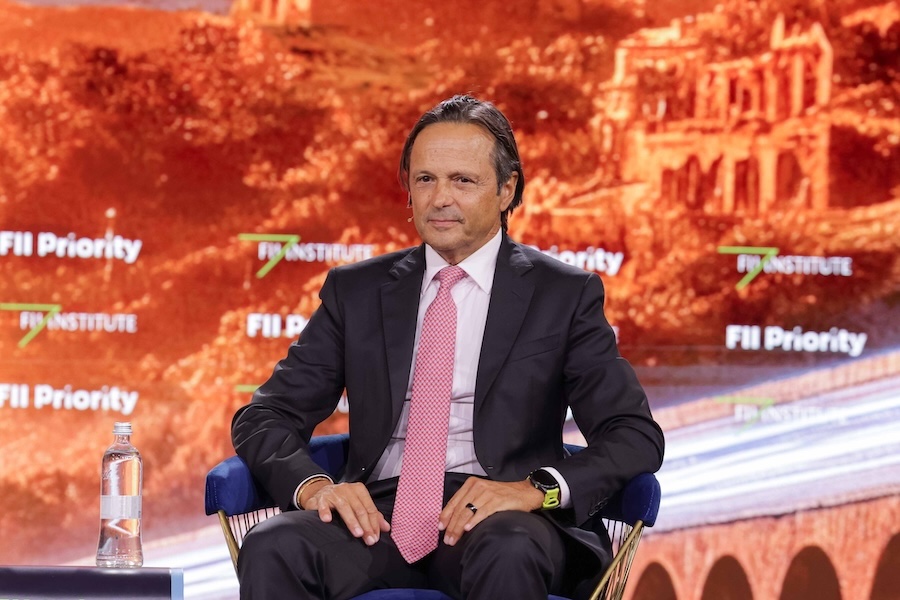
Few people have had a better view of that transformation than John Pagano, group CEO of Red Sea Global. Over the past several years, Pagano, who is Italian himself, has become one of the most influential figures in Saudi tourism, overseeing projects that sit at the heart of Vision 2030’s ambition to diversify the economy beyond oil. His influence now extends beyond the Red Sea itself, with growing responsibilities across some of the Kingdom’s most important tourism assets. In many respects, he has become the executive entrusted with turning Saudi Arabia’s tourism vision into a commercial reality.
“If you want long term growth and long term stability, I don’t think there’s a better place than Saudi Arabia to invest.”
John Pagano, group CEO, Red Sea Global
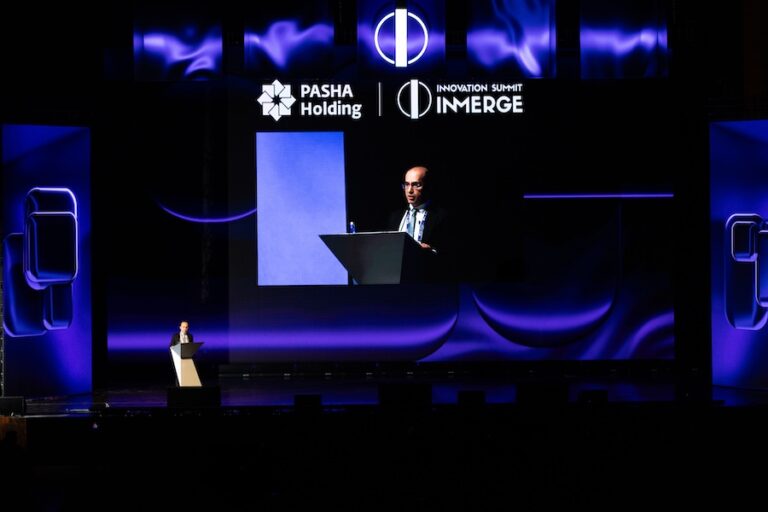
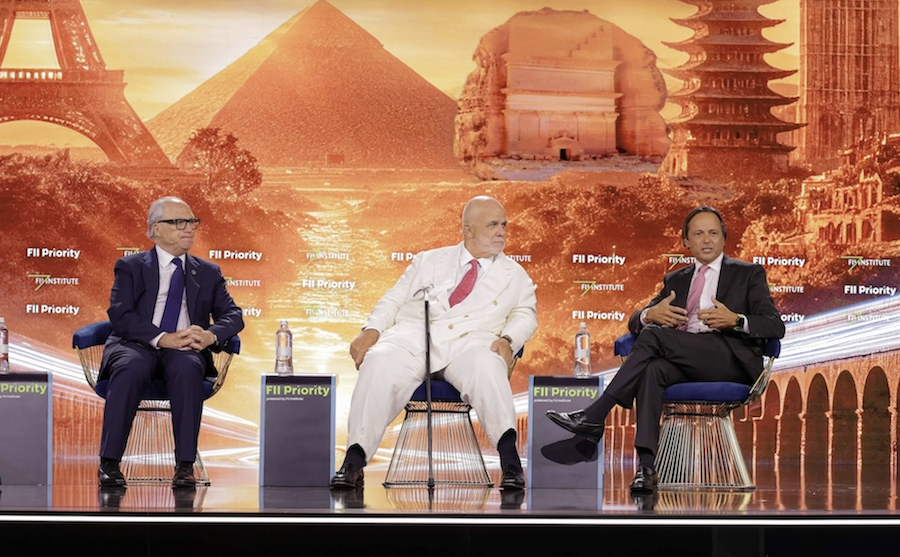
That responsibility was reflected in Rome, where Pagano spoke during a panel on resilience, a theme that resonated throughout the event. It is an apt subject for a man whose projects have survived a global pandemic, supply chain disruptions, inflationary pressures and geopolitical uncertainty while continuing to advance at remarkable speed.
“We’ve fought headwinds along the way. We’ve dealt with a global pandemic, we’ve dealt with supply chain disruptions, we’re dealing with geopolitical issues, but the focus has always remained. We’ve powered ahead,” Pagano says.
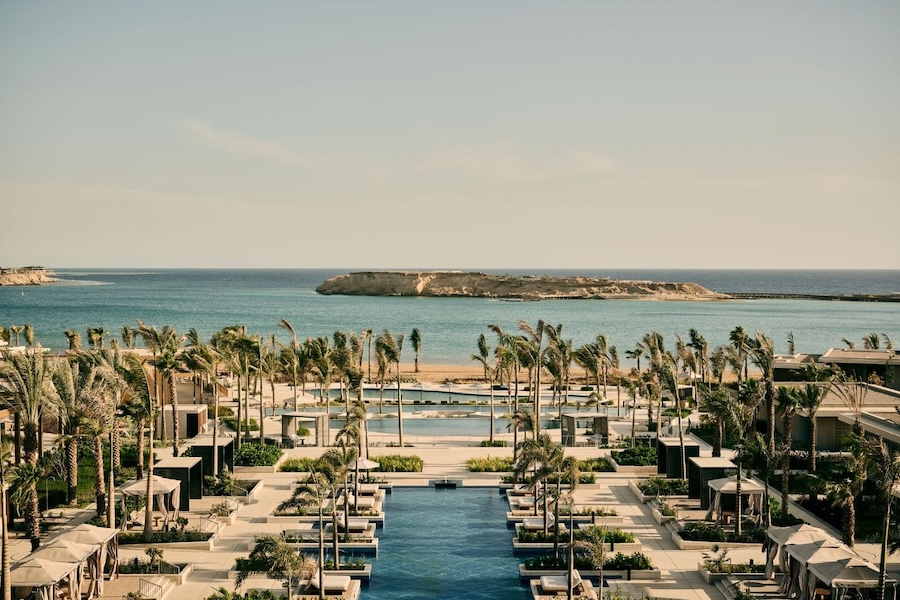
Those comments help explain why Saudi tourism is attracting increasing investor interest. Vision alone rarely secures long term capital. Investors have heard ambitious promises before. What attracts serious institutional money is evidence that those promises can be delivered, and at Red Sea Global that evidence now has a timeline attached. By August, 25 of the 27 resorts across The Red Sea and AMAALA are expected to be open. The Ritz-Carlton at AMAALA follows in October, with one final resort completing the portfolio by year end. Four Seasons has already opened at both destinations. Six Senses opens this month, with Rosewood, Jayasom, Equinox and Nammos following in July.
“2026 is a seminal year for Red Sea Global,” Pagano says. “We will have completed the first phases of both The Red Sea and AMAALA.”
The significance of that milestone extends beyond hotel openings. It demonstrates that Saudi Arabia has moved well beyond the planning stage of Vision 2030 and into an era of execution. For investors, that distinction is critical. Capital is naturally drawn to markets where growth is visible, where infrastructure is being delivered on schedule and where governments maintain a clear, sustained commitment to development.
Pagano has watched that shift happen in real time, not just on site but in the rooms where capital decisions get made. He recalls the first investment events he attended in Europe on behalf of Saudi tourism, when the audience was dominated almost entirely by Saudis. Today, he says, those same rooms are filled with investors from all over the world.
“The bridge is now being built,” he explains in Rome. “Until we’ve opened our destinations and demonstrated proof of concept, the international investor community has been sitting on the fence and waiting to see how things develop.” Asset managers and private equity houses are now deploying capital raised not only in North America but across Europe and Asia, drawn by growth opportunities that extend well beyond tourism into new sectors, including automotive.
The financing behind the build out tells its own story. Red Sea Global has raised two landmark green financings to date: 14 billion Saudi riyals some years ago, the first Saudi denominated green financing of its kind, and a further 6.5 billion riyals for AMAALA more recently. Tens of billions of riyals more in private capital have financed the destinations’ utilities infrastructure, all underpinned by a development model built around sustainability and regeneration from day one.
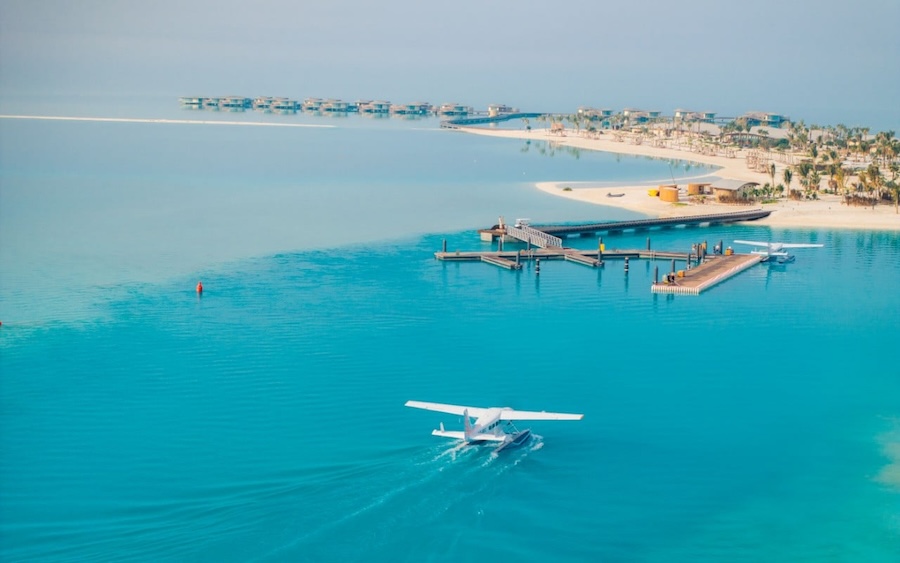
What makes Saudi tourism particularly compelling is that it is developing at precisely the moment global travel itself is changing. Luxury remains a baseline expectation rather than a differentiator. Affluent travellers are increasingly prioritising experience, wellness and personal enrichment over square footage.
“It’s more about experiences. It’s more about wellness. It’s more about sustainability. The market is shifting profoundly,” Pagano says. “We anticipated it many years ago, and we’re now at the forefront of that.”
There is also a simple supply argument. Pagano points out that Saudi Arabia’s stock of luxury leisure hotel rooms remains tiny next to that of any comparable developed market, leaving substantial room for European hospitality groups, and increasingly fashion and lifestyle brands moving into hotels, to find their footing in the Kingdom.
When asked why investors should choose Saudi Arabia over more established markets, Pagano’s answer is characteristically direct.
“You have a stable government, visionary leadership, a progressive society and enormous opportunity,” he says. “If you want long term growth and long term stability, I don’t think there’s a better place than Saudi Arabia to invest.”
After spending time at FII Europe, one conclusion feels increasingly difficult to dispute. Saudi tourism is no longer a story about what might happen. It is a story about what is already happening.