



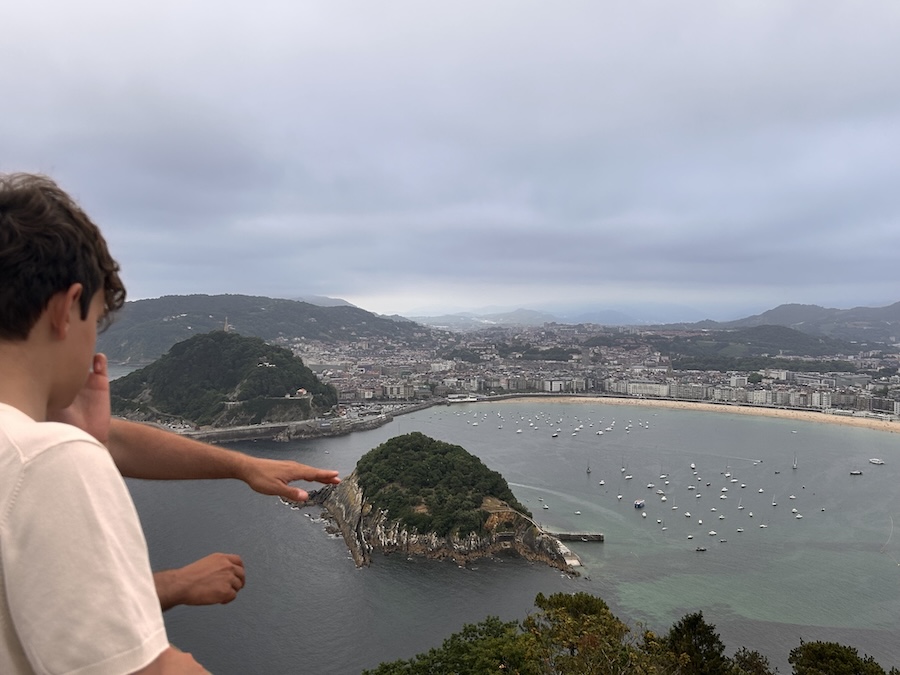
The Basque Country does not perform for visitors. It does not need to. This is a place that wins people over almost by accident, in the rhythm of everyday things: a bus that arrives exactly when the timetable says it will, a conversation at a pintxo bar that runs long past the point it should have ended, a region that has managed to modernise without ever quite letting go of itself.
San Sebastián carries a reputation as a gastronomic capital, but reducing the Basque Country to its Michelin stars misses most of the story. Food here is closer to a language than a luxury, spoken in family kitchens and neighbourhood bars as fluently as in tasting menus. At Oliyo’s, tucked into its own quiet barrio away from the tourist strip, the merluza is grilled exactly as it has been for decades and nobody feels the need to explain why. That confidence, the sense that a dish does not need justifying, says more about the region’s food culture than any list of accolades could.
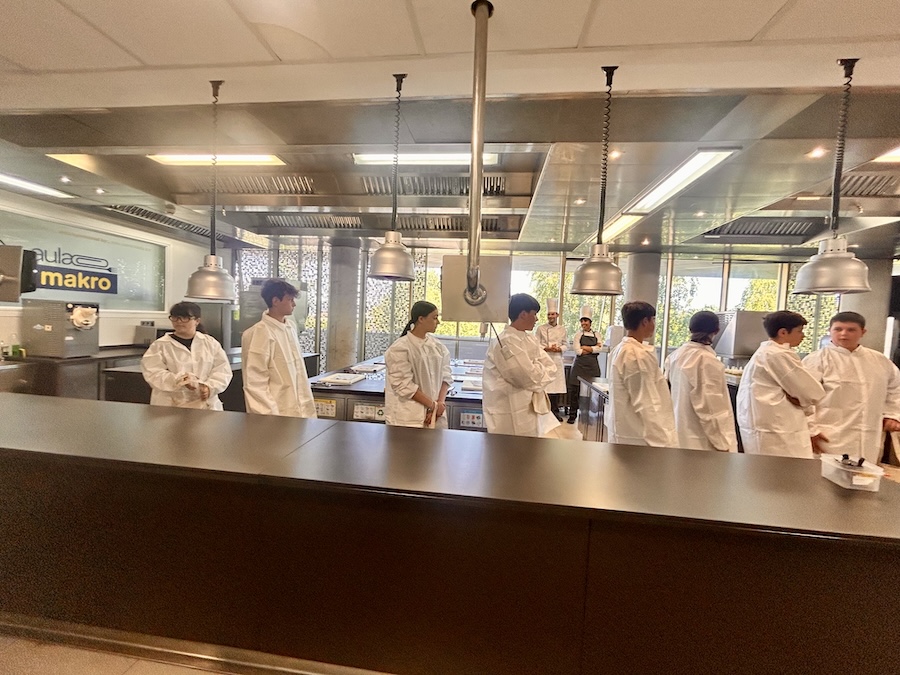
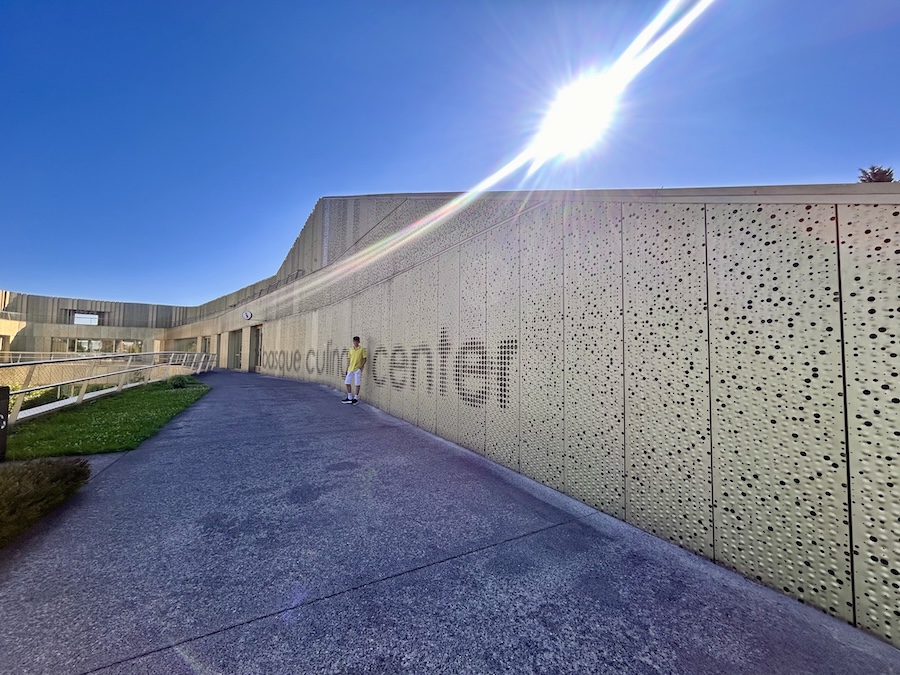
That same instinct for taking things seriously without making a show of it defines the Basque Culinary Center. It is home to the world’s first university degree dedicated entirely to gastronomy, where students train alongside working chefs, scientists and entrepreneurs and food is treated as a discipline worthy of the same rigour as medicine or law. In summer, the centre runs a young chefs programme for teenagers aged fourteen to seventeen, evidence that this culture is being built from the ground up rather than imported for effect.
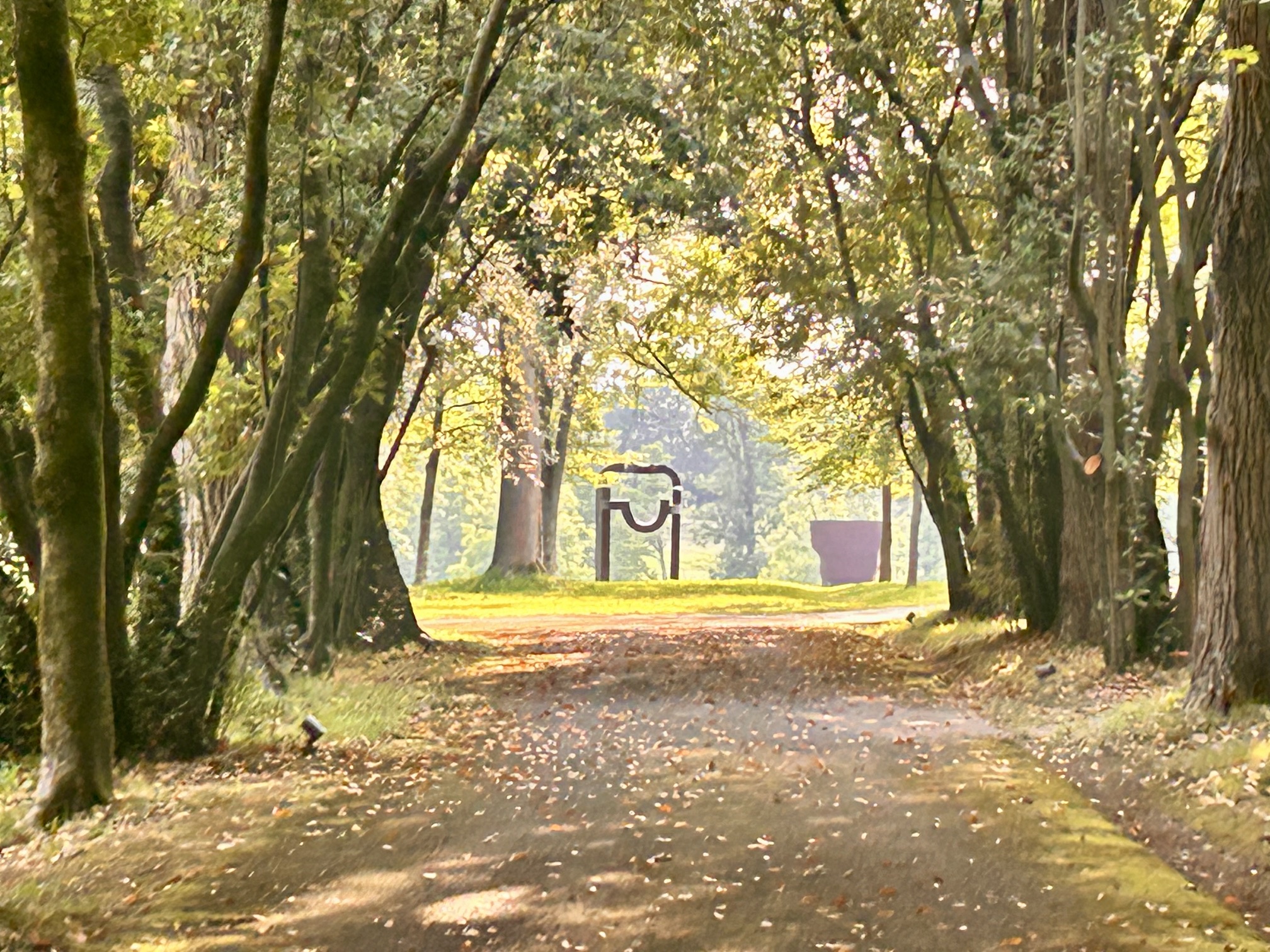
Art gets the same unshowy treatment. Chillida Leku, the museum dedicated to sculptor Eduardo Chillida, sits across rolling green land that Chillida bought and shaped himself. Before the sculpture, he was a goalkeeper for Real Sociedad, and there is something of that physical instinct still visible in the work: monumental steel forms that, for all their scale and weight, look almost weightless against the sky.
The landscape does the rest of the work without asking for credit. Streets that feel sophisticated and citified give way, within minutes, to golden beaches and green hills. On Monte Igueldo, the old amusement park has been entertaining families for generations, and its wooden roller coaster still runs the way it always has, no harness, no strap, just a hand on the bar and the whole of the city spread out below. From the top, La Concha Bay curls out beneath the hill in one uninterrupted sweep, and it is easy to see why people have been making the trip up here for so long.
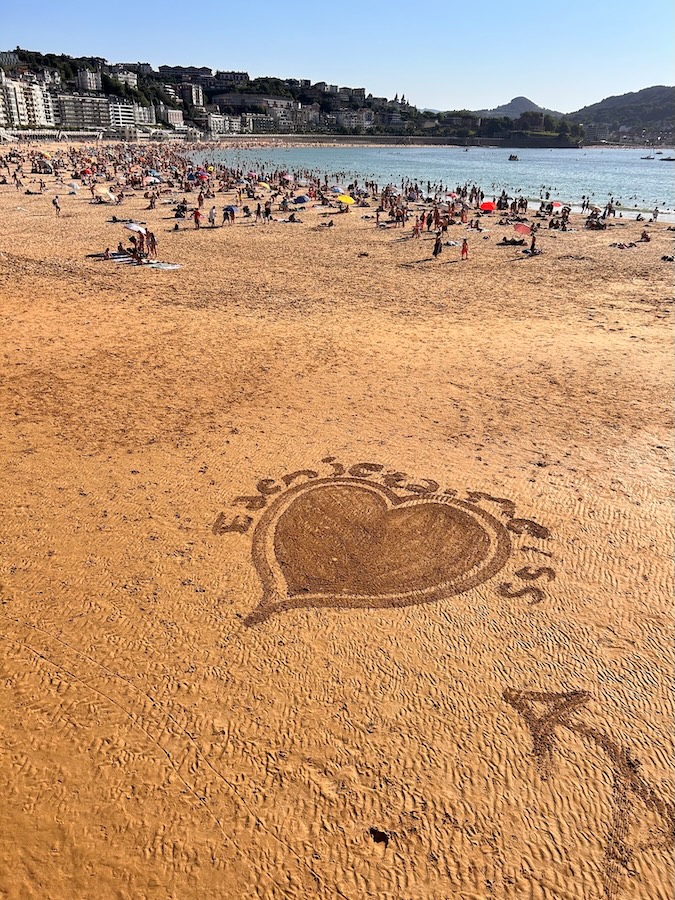
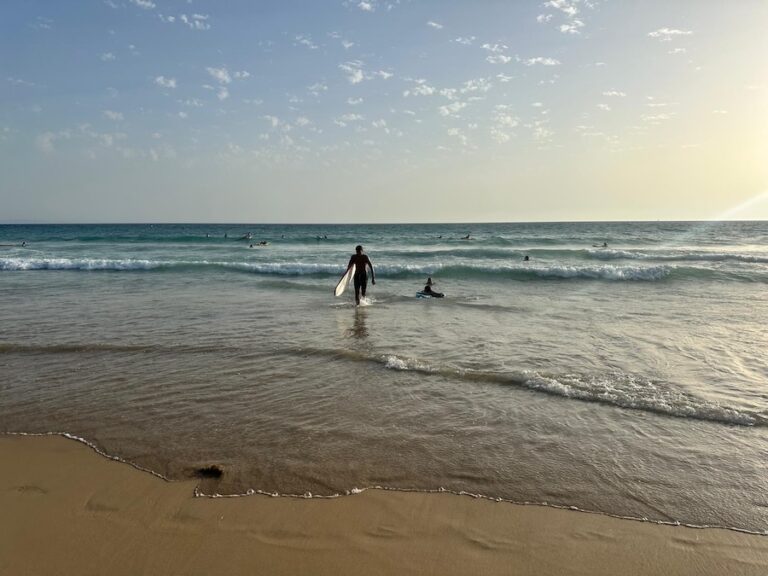
Then there is the climate, which might be the region’s best kept secret. While the rest of southern Europe swelters through summer, the Basque coast stays temperate enough for long morning walks rather than hurried retreats into air conditioning, and evenings that stretch late as terraces fill with families, surfers and friends who are clearly in no rush to go anywhere.
Getting between all of it is its own small pleasure. The number 31 bus, running from the Basque Culinary Center back into town, sums up the whole system: on time, half full, and requiring no more thought than deciding where to get off. It is efficient without ever feeling clinical, which is really just another version of the same thing this region does so well: valuing quality of life as much as it values getting things done.
That, in the end, is the Basque Country’s real achievement. Plenty of places are trying to reinvent themselves right now. Far fewer manage to do it while keeping hold of what made them worth visiting in the first place.