


Ofer Yannay built Nofar Energy from rooftop solar into an international energy company operating across Europe and the United States. His next ambition is to turn the electricity infrastructure Nofar already controls into the foundation for an AI business.
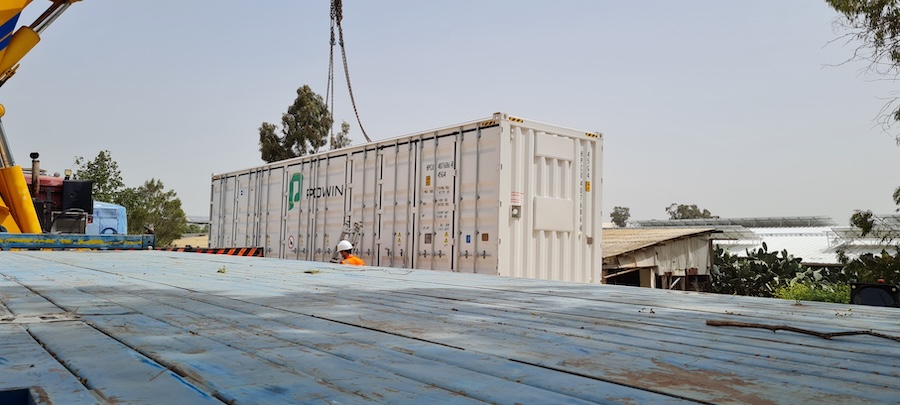
The AI race has a scarce commodity at its heart: electricity. Nofar Energy founder Ofer Yannay thinks the companies controlling the right megawatts could become some of its unexpected winners.
AI agents do not care where they live. They need computing power and, unlike humans accustomed to instantaneous responses, they can wait for a task to be completed. Ofer Yannay believes that distinction could reshape the geography of technology and energy. Put a data centre where power is abundant, connect it to fibre and its computing capacity can be sold around the world. “It’s like having a PPA with Google when your project is in Nigeria,” he says.
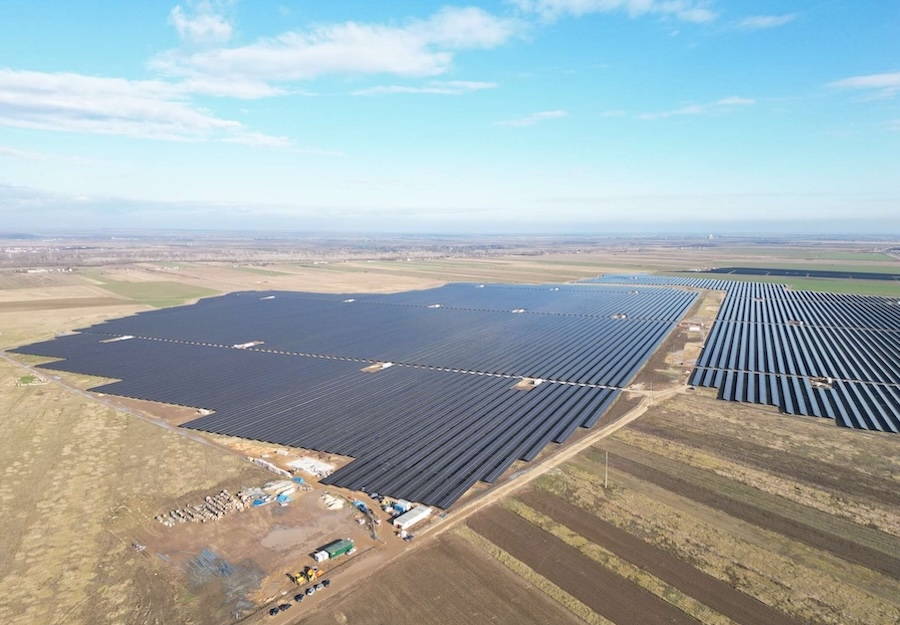
Yannay founded Nofar Energy in 2011. What began with rooftop solar on Israeli kibbutzim has grown into a publicly traded international developer and operator of renewable power and energy storage.
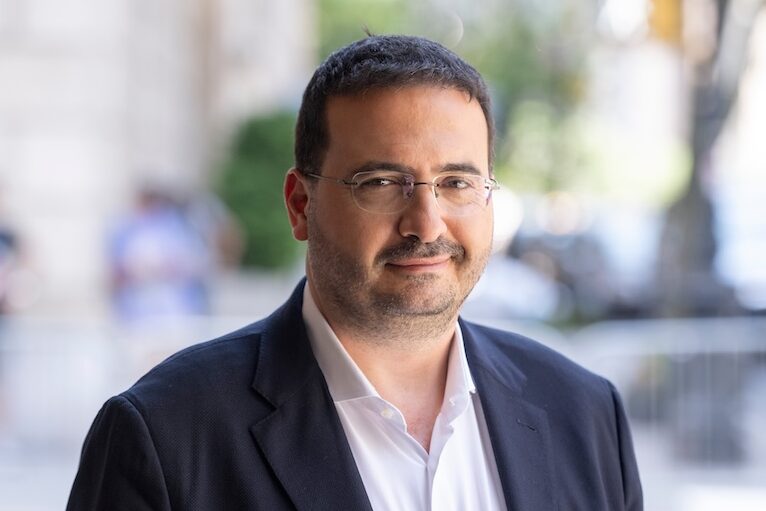
Yannay describes himself as an “obsessive paranoid, absolute optimist”, constantly searching for threats while preparing the next move. “Whatever happens, I already have the plan,” he says. “Chaos is my friend.” He applies much the same philosophy to Hapoel Tel Aviv, the basketball club he took over when it was a borderline playoff team with little European presence. Recruiting players, he cast himself as Nick Fury assembling the Avengers. Hapoel went on to win the EuroCup and beat Real Madrid. Elite players have perhaps nine years at the top, he says, so they choose the owner whose vision gives them the best chance to win.
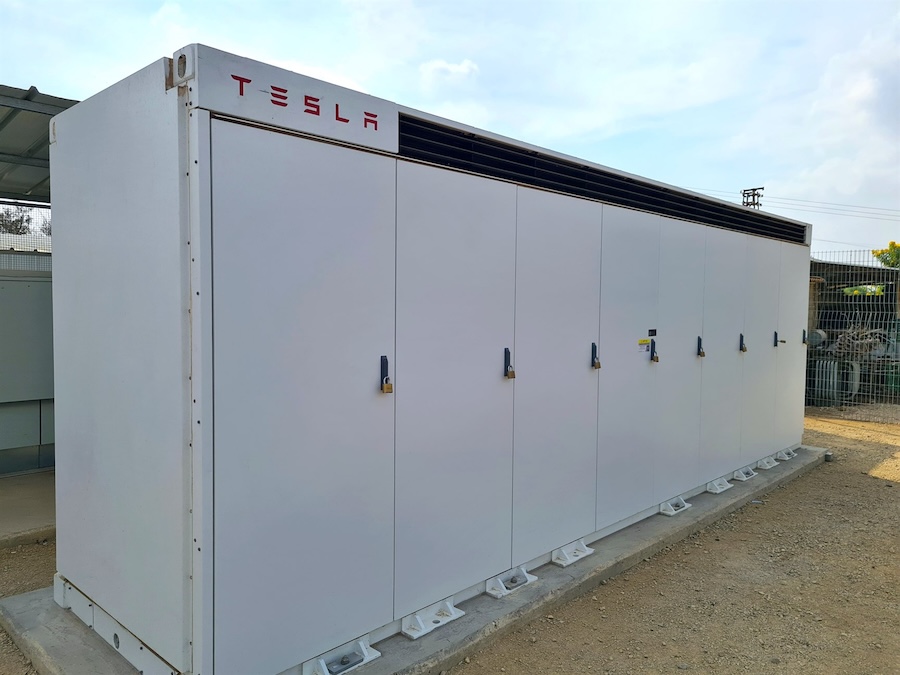
That instinct for finding opportunity in disruption has shaped Nofar. As renewable generation expanded, periods of abundant supply began pushing electricity prices towards zero and sometimes below it. Nofar responded by adding storage, allowing batteries to charge when power was plentiful and sell when it became more valuable.“Negative prices are our friend because we make more money,” Yannay says.
Yannay thinks investors are underestimating the duration and magnitude of the next upheaval. He rejects the idea that AI is another dotcom bubble, comparing it instead with the rise of Chinese manufacturing, which ran for decades. In his view, its eventual impact could exceed the transformations unleashed by James Watt’s steam engine or Edison’s electricity grid because demand for human creativity, amplified by computing, has no obvious ceiling.

He assigns more than half the probability to a scenario in which AI drives a huge transfer of value between companies over the next five to ten years. “There’s going to be a bloodbath,” he says. “The only question is, what side are you going to be on?” That question now sits at the heart of Nofar’s own strategy.
The answer begins with something increasingly scarce: access to the grid. Nofar already has megawatts connected to electricity networks at a time when AI developers can wait years for new capacity. Yannay’s strategy is to keep increasing the value of those connections. Solar came first, then storage and trading. Now he wants to put data centres beside the power, own the chips and ultimately sell supercomputing as a service, moving Nofar further up the value chain from selling electricity to selling what that electricity can produce.
“We need energy, and we need energy now”.
Ofer Yannay, founder Nofar Energy
The growth has been rapid. In 2021, Nofar connected around 150 MW across some 1,000 projects. In one recent quarter alone, it connected 600 MW. Yannay puts Nofar at around 3 GW of operational assets today and expects roughly 20 GW within five years.
America is central to that expansion. In December 2025, Nofar acquired assets from a US platform in Chapter 11, extending its foothold in a market Yannay believes is becoming more attractive as power demand accelerates. He estimates that Nofar’s current operational scale would place it among Europe’s top 10 independent power producers and among the top 15 to 20 in the US. AI data centres require constant electricity, leading Nofar towards gas generation (CCGT) alongside renewable power and storage. Data centres, he argues, have become an energy problem, while much of the market still treats them as real estate.
Yannay even sees AI reshaping the US Treasury market. His argument is that the extraordinary demand for capital to finance AI infrastructure is helping keep yields on long dated US Treasuries high, independently of the traditional inflation story. That is painful for renewable energy valuations, but an energy company positioned to capture the electricity demand behind the AI buildout could create far more value from its assets.
AI, Yannay argues, will eventually “hyperglobalize” energy by allowing electricity to be converted into computing and effectively exported digitally. A project could sit in Greenland while its computing output serves customers in the United States or Canada. If that future arrives, the geography of energy may matter less than access to it, and the companies that recognised that shift early could find themselves powering far more than the grid.
WHAT HAS THE AI INDUSTRY FAILED TO UNDERSTAND ABOUT ENERGY?
Generative AI data centres require huge amounts of power. The grid is unable to provide that energy fast enough, while the customer really cares about timing: when will I get my energy, and when can I get this done? We need energy, and we need energy now.
YOU COMPARE LEVERAGE TO ICARUS. WHY?
Icarus was warned not to fly too high because the sun would burn his wings, but also not to fly too low because the spray from the sea would make them heavier and he would fall. Leverage is like that. You have to use it, but at the right level. We bring in more equity or sell assets, and then we invest again. The next stage requires greater capital intensity, but the potential revenues and returns are also much higher.
WHAT HAS BASKETBALL TAUGHT YOU ABOUT BUSINESS?
It taught me to move faster. In basketball, you cannot wait. Business is similar. You have to see where the opportunity is going, make decisions quickly and persuade the best people to come with you. If you wait until everybody agrees the opportunity is there, you are already too late.
WHAT SHOULD AMERICAN INVESTORS UNDERSTAND ABOUT NOFAR TODAY?
We already have around three gigawatts of operational assets. I think that puts us in the top 10 European IPPs and maybe the top 15 or 20 in the US, but we are aiming for much more. Most of our current cash flow comes from energy. When I think about future cash flow, I see energy and AI coming together. That is where I believe the next stage of value will be created.