



As Mediterranean destinations compete for luxury hotels, branded residences and designer stores, Zahara de los Atunes is betting on something rather different: preserving a sense of place.
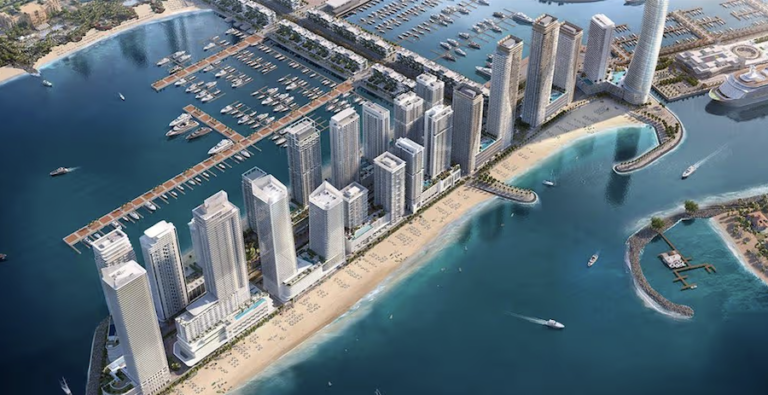
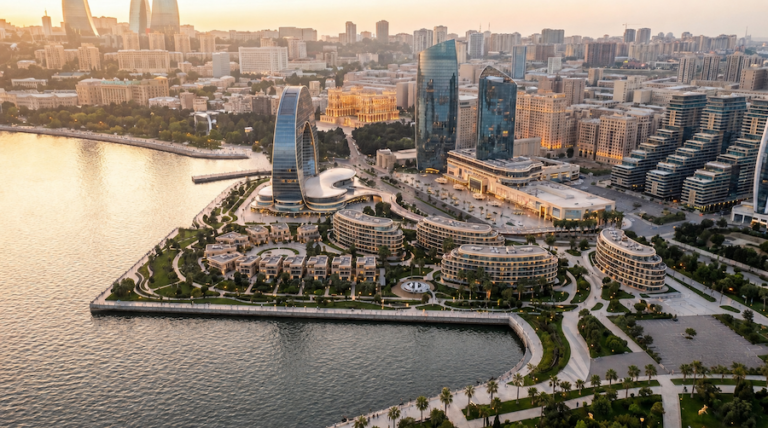
Luxury tourism has become remarkably easy to recognise. From Dubai to Ibiza, the formula increasingly includes five-star hotels, branded residences, international restaurants and the familiar names of global fashion. For destinations, attracting that investment can bring jobs, infrastructure and international visitors, but it also creates an uncomfortable question: if everywhere offers the same version of luxury, what makes anywhere worth travelling to?
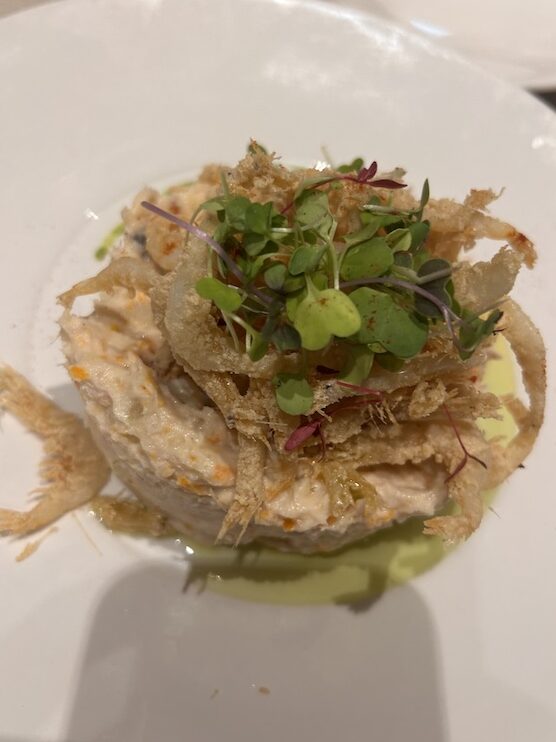
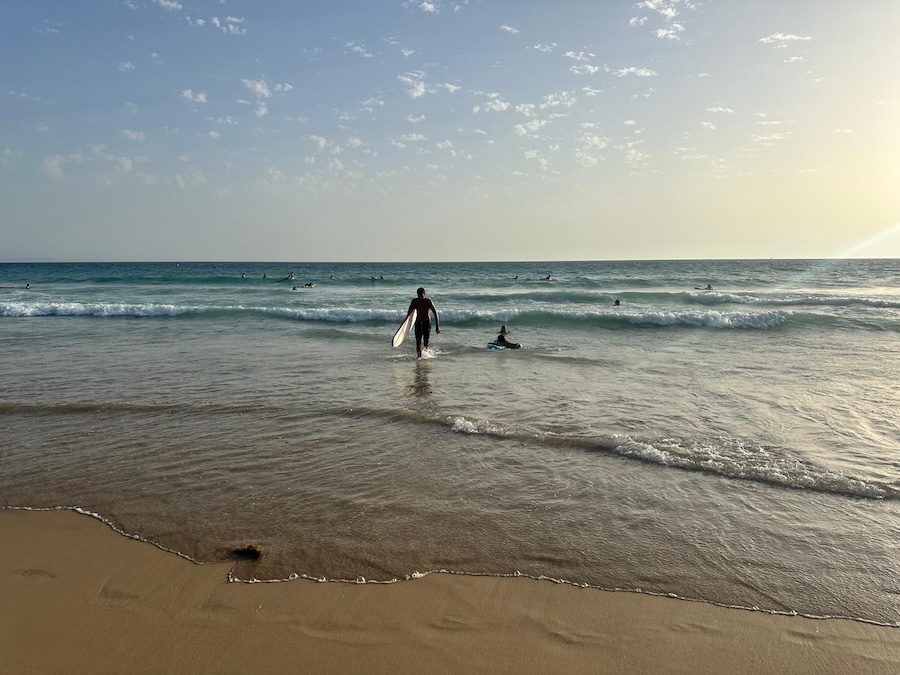
On Spain’s Atlantic coast, Zahara de los Atunes offers a different answer. The small Andalusian town has become increasingly fashionable without acquiring many of the conventional trappings of an upscale resort. There are stylish places to stay and increasingly sophisticated restaurants, but the experience still revolves around the beach, informal bars, local shops and, above all, food.
Here, the story begins with tuna. Zahara takes its name from the fish that has shaped this stretch of the Cádiz coast for centuries, caught using the almadraba, an ancient system of nets used as bluefin tuna migrate through the Strait of Gibraltar. Today the fish appears everywhere from traditional tapas bars to ambitious contemporary restaurants, with chefs using cuts that would once have rarely travelled beyond the region.
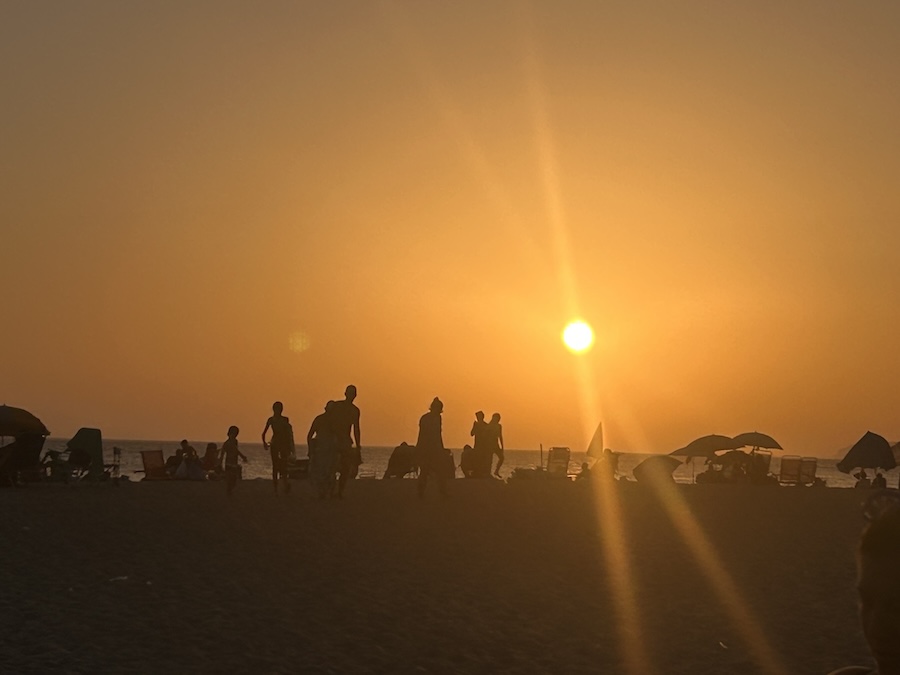
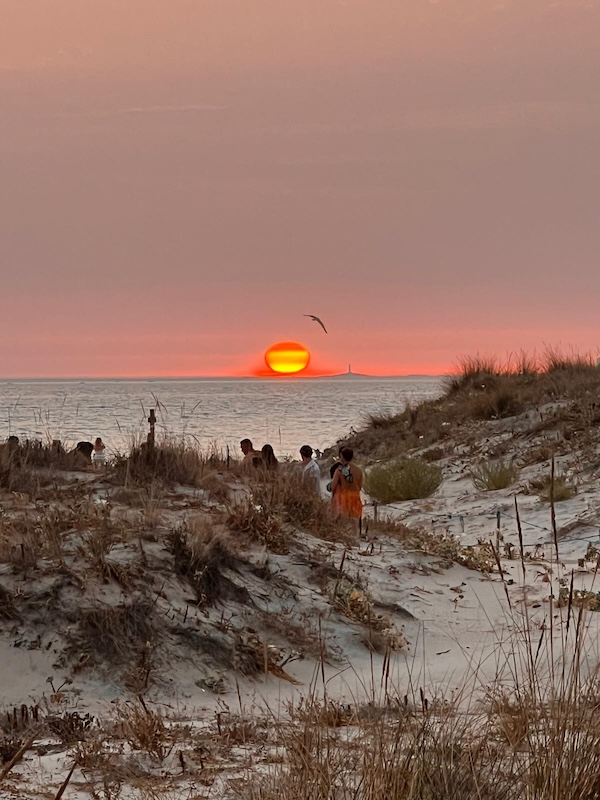
That connection between what you eat and where you are is increasingly valuable. Travellers can buy luxury goods at home, while the same collection of international restaurants and boutiques can now be found in dozens of resorts. What cannot be reproduced so easily is the experience of eating tuna caught offshore, drinking something produced nearby and watching the sun disappear into the Atlantic.
Zahara is hardly undiscovered. Summer brings crowds, reservations become difficult and property prices reflect its growing desirability. Just along the coast, the villas of Atlanterra reveal how affluent this once low-key corner of Cádiz has become, yet Zahara itself has so far retained much of the slightly bohemian, unpolished character that made people want to come in the first place.
That may prove increasingly important as luxury travel evolves. Exclusivity once meant importing the world’s most expensive brands into a destination. Today, for a growing number of travellers, it can mean finding somewhere that still belongs recognisably to itself.
The challenge for Zahara will be managing its popularity without polishing away the things that make it distinctive. In an age when money can recreate almost anything, a genuine sense of place will be one of the few luxuries that cannot be manufactured.