



As extreme heat and wildfires reshape the European summer, travellers are beginning to look north. From Brittany’s Atlantic coast to the beaches of Denmark, a different kind of holiday is gaining appeal.
For decades, the geography of the European summer holiday has been remarkably predictable. When schools closed and temperatures rose, millions of travellers headed south towards Spain, Italy, Greece and the Mediterranean coast of France, while northern Europe remained a more adventurous proposition, admired for its landscapes and cities but rarely considered an obvious alternative to guaranteed sunshine. Now, as summers become hotter and extreme weather more frequent, the rise of the so-called “coolcation” suggests that assumption is beginning to change.
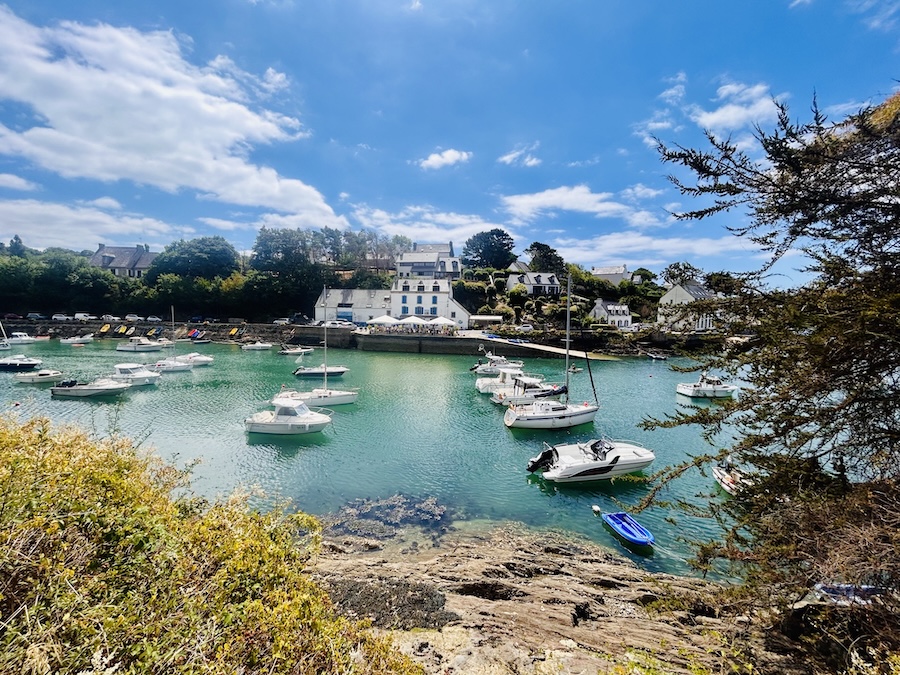
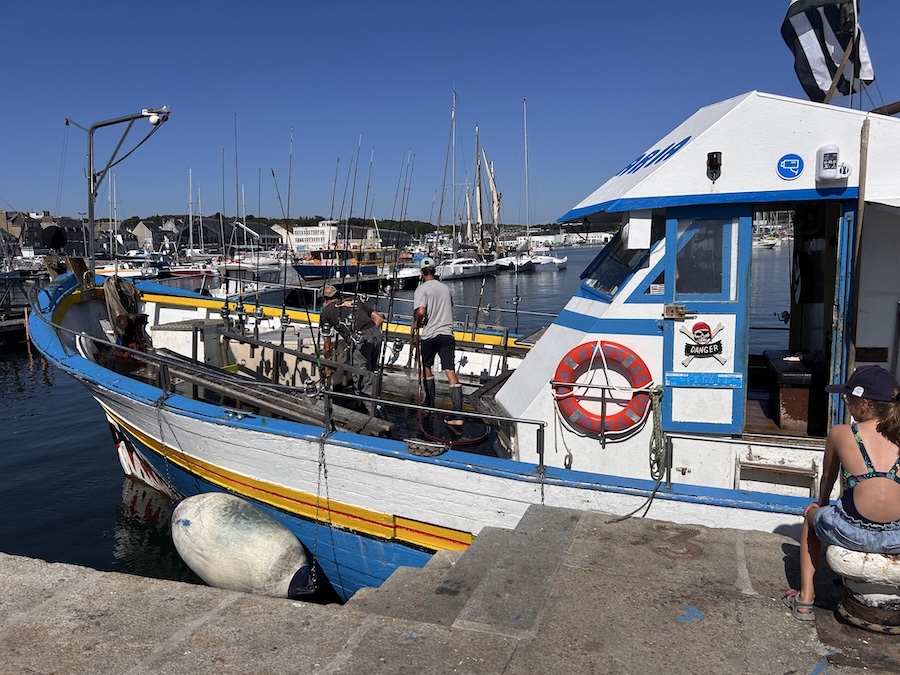
Travel along Europe’s cooler coastlines and it is easy to understand why. Around Pont-Aven and the southern Brittany coast, summer is spent between beaches, coastal paths, fishing ports and small towns, with long evenings that still invite you to eat outside. Further north, Denmark offers its own version of the same idea. Copenhagen provides the restaurants, architecture, design and energy of a European capital, but within a few hours the city gives way to forests, beaches and small coastal towns.
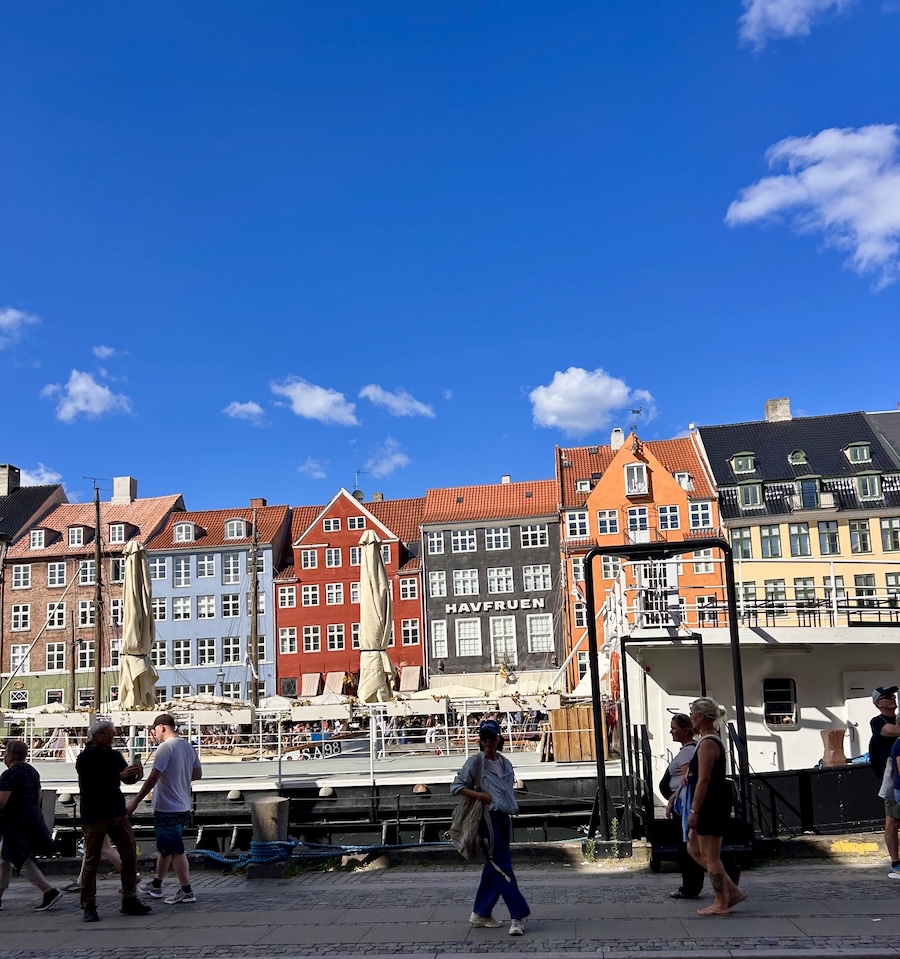
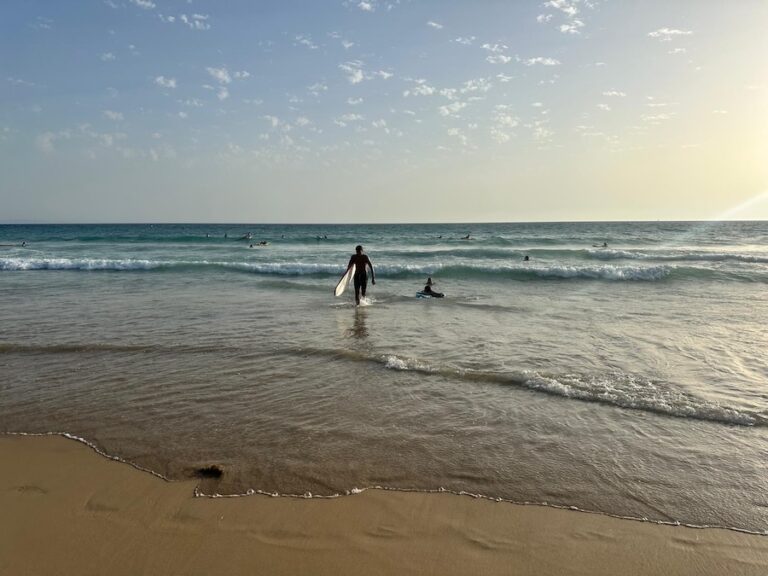
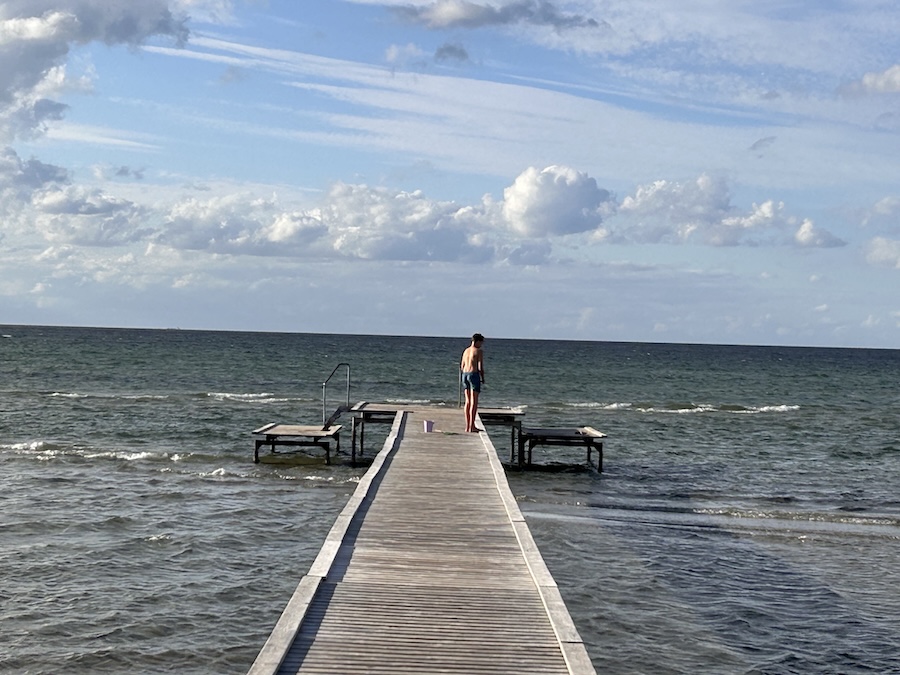
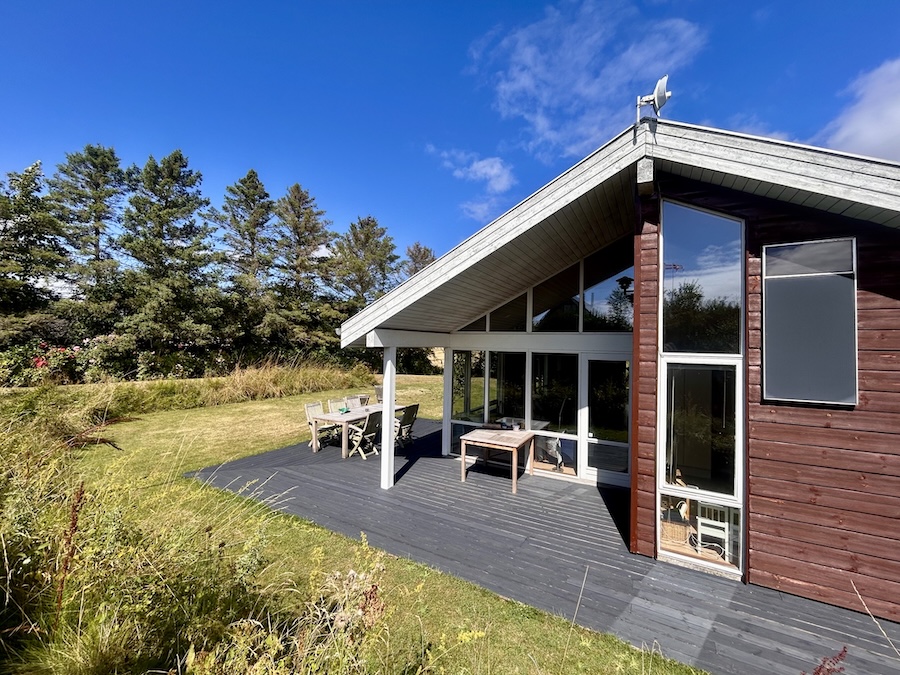
Around Ebeltoft and the Djursland peninsula, the rhythm is particularly simple: swimming, fishing, cycling, walking and exploring the coast. The sea may be cooler and the weather less predictable than on the Mediterranean, but that no longer necessarily feels like a compromise. When temperatures elsewhere in Europe are pushing towards 40 degrees, a day in the low twenties can suddenly look rather luxurious.
The travel industry has inevitably embraced the term “coolcation”. The expression may be slightly contrived, but the behaviour behind it is becoming harder to ignore. Searches for Copenhagen on the French Hotels.com site reportedly surged after France’s first major heatwave this summer, while Denmark recorded 35.3 million international overnight stays in 2025. Across northern Europe, destinations traditionally overlooked during peak summer are attracting new interest from travellers questioning the assumption that the best holiday weather is necessarily the hottest.
Climate is only part of the story. Better connections, changing travel habits and the popularity of renting houses have made it easier to build a holiday around different experiences, combining a few days in a city with a week by the sea rather than spending a fortnight in a single resort. Places such as Brittany and Denmark are particularly well suited to that more fluid style of travel.
At the same time, hotter summers are changing the value of what these destinations already offer. For families in particular, there is something increasingly attractive about weather that encourages movement rather than escape from it: cycling into town, walking along the coast, swimming, fishing or sitting outside over dinner without planning the day around air-conditioning and the hottest hours of the afternoon.
The destination map is beginning to respond to those changing priorities, and so is our definition of the perfect summer. We are quietly recalibrating our idea of good weather. For generations, the dream European holiday promised almost uninterrupted sunshine and as much heat as possible; increasingly, comfort itself is becoming part of the luxury.
Southern Europe will hardly lose its hold over summer tourism, and nobody booking Brittany or Denmark should expect guaranteed sunshine. But in a continent adapting to hotter summers, the qualities that once made northern destinations a gamble in July and August may be becoming precisely what makes them desirable. The European summer holiday is not disappearing; it may simply be moving a little further north.