



For years, Europe has wrestled with an uncomfortable question. In a world increasingly defined by artificial intelligence, industrial policy, energy security and the relentless competition for capital, can the continent move fast enough to remain at the forefront of the global economy?
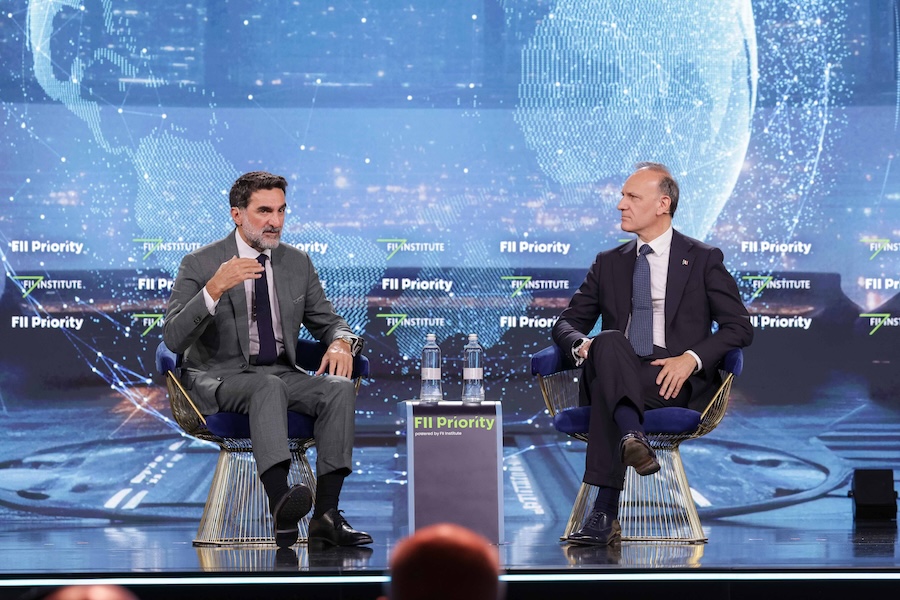
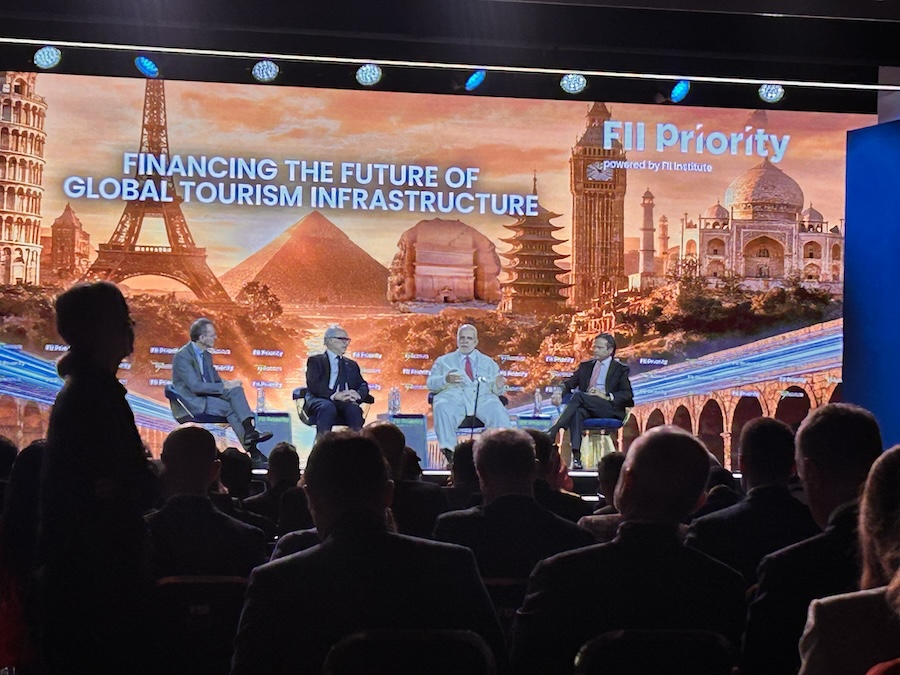
That question was at the heart of the Future Investment Initiative PRIORITY Europe Summit in Rome this week, where investors, policymakers, entrepreneurs and business leaders gathered to discuss the future of competitiveness, investment and growth. Held under the theme Europe Reimagined: Capital, Sovereignty and Strategic Autonomy, the event was more than another conference on economics. It was a timely reminder that Europe remains one of the world’s great economic powers, but that its next chapter will require greater urgency, ambition and confidence.
As Richard Attias, chief executive of the Future Investment Initiative Institute, put it: “Enough saying Europe is finished.”
The choice of Rome as host city was both symbolic and strategic. Italy occupies a unique position in the global economy. It sits at the crossroads of Europe, the Mediterranean, the Middle East and Africa. It combines world class manufacturing, luxury brands, advanced engineering and a rich cultural heritage with growing relevance as a destination for international investment. As geopolitical and economic relationships evolve, Italy is increasingly becoming a bridge between European opportunity and global capital.
That role was evident throughout the summit. Discussions focused on everything from artificial intelligence and digital infrastructure to energy transition, industrial resilience, capital markets and technological sovereignty. Beneath every conversation lay a common theme. Europe possesses extraordinary strengths, but unlocking them requires faster execution and a renewed willingness to invest in the future.
“Enough saying Europe is finished.”
Richard Attias, CEO Future Investment Initiative Institute
The challenge facing Europe is not a shortage of talent. The continent remains home to many of the world’s leading universities, research institutions and innovative companies. Nor is it a shortage of capital. Europe continues to attract significant investment and remains one of the largest economic blocs on earth.
The challenge is speed. While the United States races ahead with enormous investment into artificial intelligence and China continues to deploy capital at scale across strategic industries, Europe often finds itself constrained by complexity, fragmented markets and lengthy decision making processes. The message from Rome was clear. Competitiveness in the next decade will depend not only on innovation but on the ability to turn ideas into action.
That is one reason why the Future Investment Initiative has become increasingly relevant beyond its Saudi roots. Although FII’s flagship gathering in Riyadh remains one of the most influential events on the global investment calendar, the organisation has evolved into a truly international platform. Through its growing series of global summits, FII has created a forum where capital, policy and innovation converge. The conversations taking place in Rome were not about Saudi Arabia alone. They were about the future of investment, the movement of capital and the opportunities emerging across continents.
What distinguishes FII is its ability to bring together people who rarely share the same stage. Ministers sit alongside sovereign wealth fund leaders. Technology entrepreneurs debate ideas with chief executives of multinational corporations. Investors engage directly with policymakers. The result is a level of dialogue that feels practical rather than theoretical and focused on solutions rather than headlines.
The summit also highlighted why Italy’s importance extends beyond economics alone. In an age increasingly shaped by technology and globalisation, authenticity itself is becoming a competitive advantage.
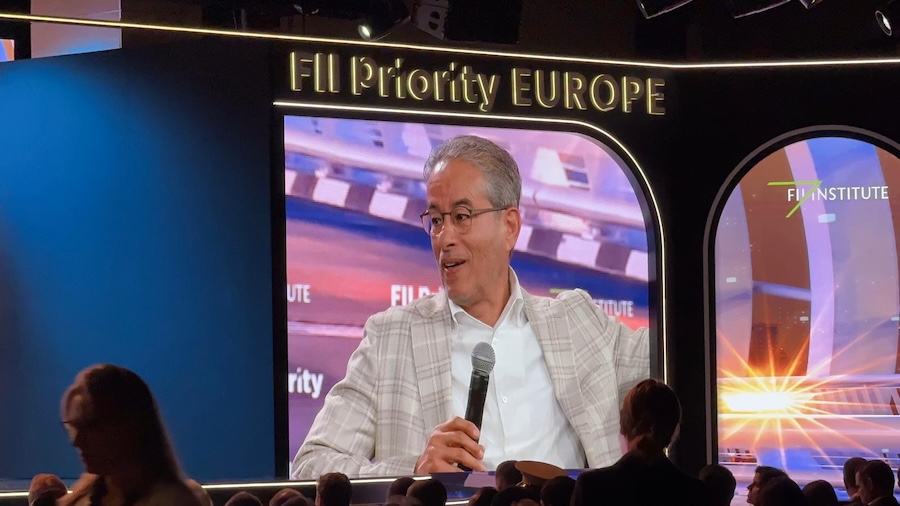
Mohamed Alabbar, founder of Emaar and one of the Gulf’s most influential investors, captured that sentiment perfectly. “The world talks about innovation, but authenticity may become the most valuable asset of all. Italy has protected its heritage, its culture and its identity better than almost anywhere else. That is why I believe its best days as a global destination are still ahead.”
It is a perspective that resonates far beyond tourism. Investors increasingly seek places that combine economic opportunity with a strong sense of identity, quality of life and long term stability. Italy offers all three.
As delegates departed Rome, the mood was notably optimistic. Not because Europe’s challenges have disappeared, but because there was a growing recognition that the continent possesses everything it needs to compete successfully in the decades ahead.
The real question is whether Europe can match its undeniable strengths with the speed and ambition that the moment demands.
If Riyadh has become one of the world’s leading stages for conversations about the future of investment, Rome demonstrated why Europe remains central to that story. The message from FII was unmistakable. Europe’s future remains bright, but it is time to stop debating its potential and start accelerating towards it.