



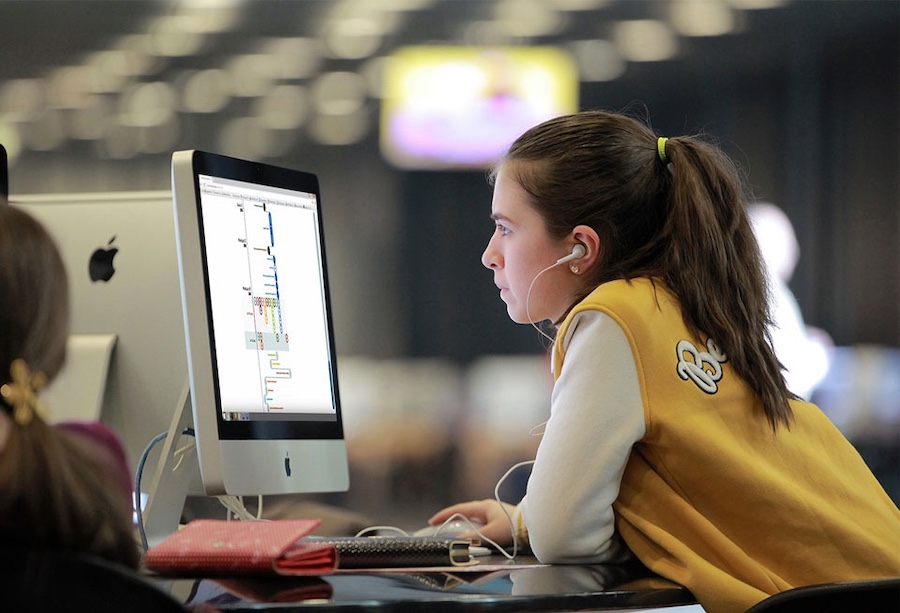
What happens when the biggest challenge in education is no longer access to information, but the ability to hold a child’s attention long enough for learning to actually change a life? In an age where artificial intelligence can write essays, answer exam questions, and generate entire lesson plans in seconds, schools everywhere are facing a far more uncomfortable question. What is education actually for now?
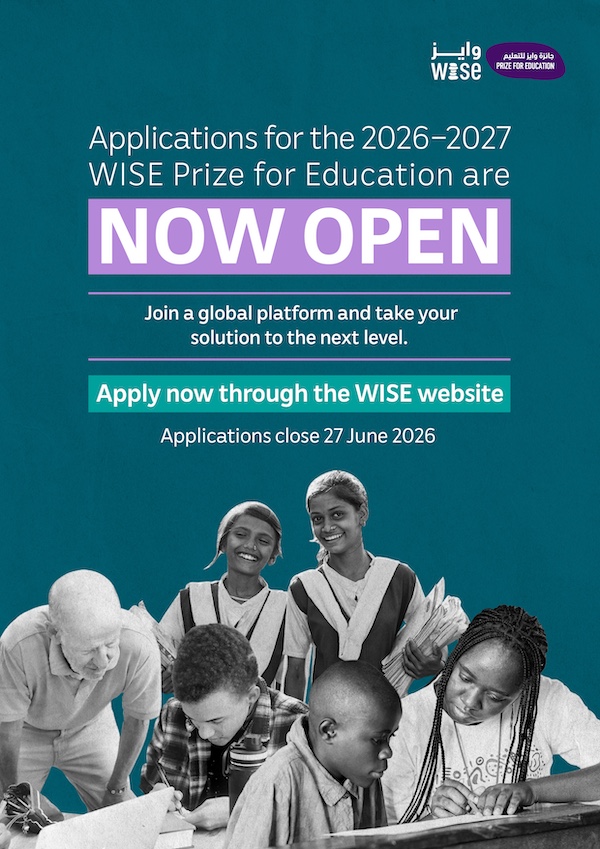
That is the territory the World Innovation Summit for Education wants to step into with the launch of its 2026 to 2027 WISE Prize for Education cycle, a global initiative that is less interested in polished classroom theory and far more focused on ideas that can survive contact with reality.
The headline figure is attention grabbing enough. Up to $1 million in funding will eventually be awarded at the WISE 13 Summit in Doha in 2027, with finalists receiving between $100,000 and $125,000 alongside a year of mentorship, technical support, and development guidance. But the more interesting story sits underneath the prize money itself.
Education summits have spent years talking about transformation while classrooms from London to Lagos continue to wrestle with shrinking attention spans, teacher burnout, widening inequality, and students increasingly shaped by algorithms before they are shaped by schools. WISE appears to be asking a sharper question. Which ideas actually work when the WiFi cuts out, the budget disappears, or the learners being targeted have already been failed by the system once before?
This year’s priorities reveal where the pressure points really are. The program is actively looking for solutions that reach marginalized learners, strengthen literacy and numeracy, improve wellbeing, and use AI responsibly rather than blindly chasing the latest tech trend. There is also a striking emphasis on culture and language, a reminder that some of the world’s most powerful educational breakthroughs may not come from Silicon Valley style disruption, but from making learning feel human and relevant again.
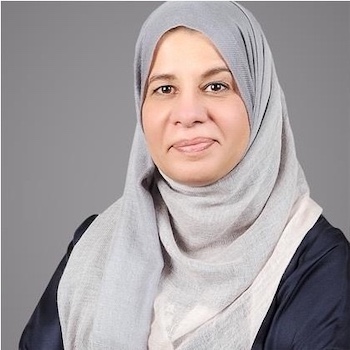
“Many experienced organizations working in education have the vision and expertise to create the innovations that can transform systems at scale,” said Dr. Asyia Kazmi. “The WISE Prize for Education is designed to support such organizations to conceive, develop, and test impactful solutions to the problems they see.”
That focus on scale matters because education is entering an era where pilot projects are no longer enough. Governments, investors, and institutions want evidence that ideas can move beyond conference stages and into real communities. WISE’s multi stage evaluation process reflects that reality, putting applicants through due diligence and an “innovation sprint” designed to test how adaptable solutions remain under pressure.
In other words, this is not educational theatre. It is stress testing.
“Many experienced organizations working in education have the vision and expertise to create the innovations that can transform systems at scale.”
Dr. Asyia Kazmi, CEO WISE
The backdrop is impossible to ignore. Around the world, education systems are being forced to reinvent themselves in real time as AI reshapes work, attention, communication, and even the idea of expertise itself. The winners in this new landscape may not be the institutions with the biggest campuses or the fanciest technology, but the ones capable of creating learning experiences people genuinely connect with.
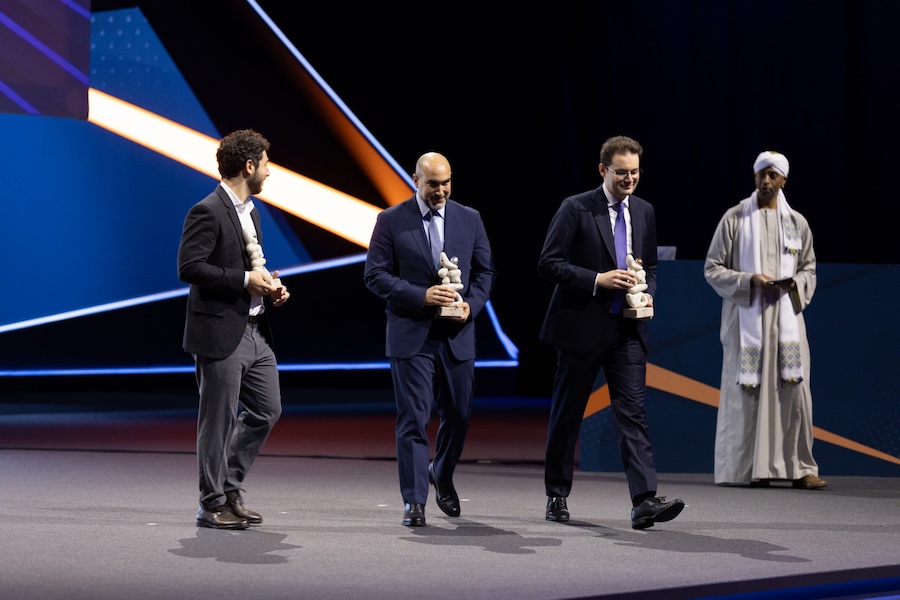
Since its launch in 2009, WISE has spotlighted more than 100 education initiatives globally, but this latest phase feels different because the stakes are different. The future of education is no longer a distant policy conversation. It is happening right now on smartphones, inside fractured classrooms, and across communities trying to prepare young people for jobs that do not yet exist.
The real question is whether the next breakthrough in learning will emerge from a billion dollar tech company, or from an overlooked innovator somewhere in the world who simply understands how to make a child believe their future matters again.