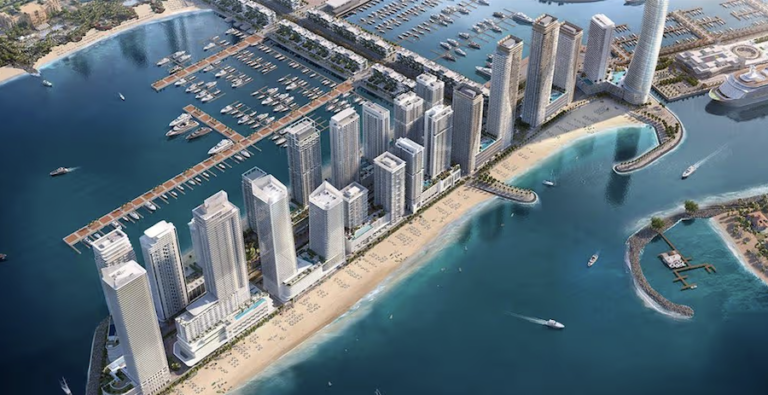

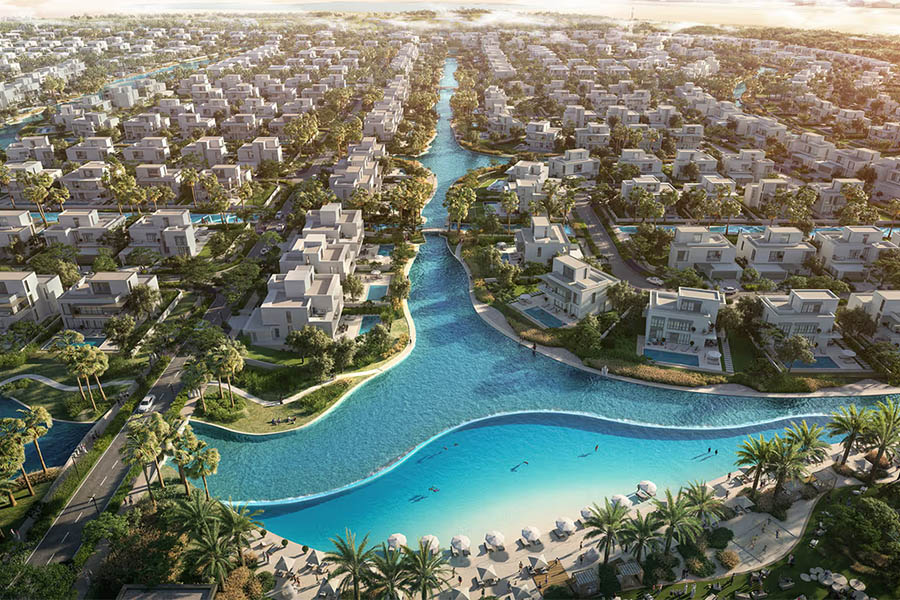
Mohamed Alabbar has been here before. When headlines turn dark and markets flinch, the founder of Emaar Properties does not retreat. He recalibrates. As conflict gripped the region, he said with the quiet certainty of someone who has watched Dubai rise from desert sand: “This time will pass.” And as the mood across the Gulf begins, cautiously, to lift, the real estate market is doing what it has so often done when given the slightest room to breathe: it is booming.
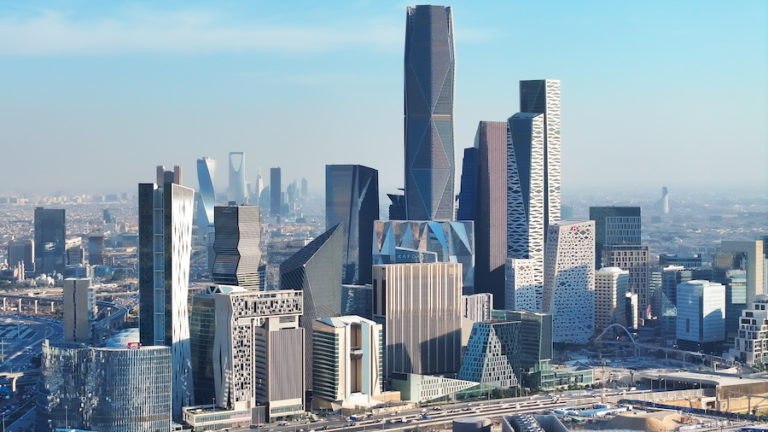
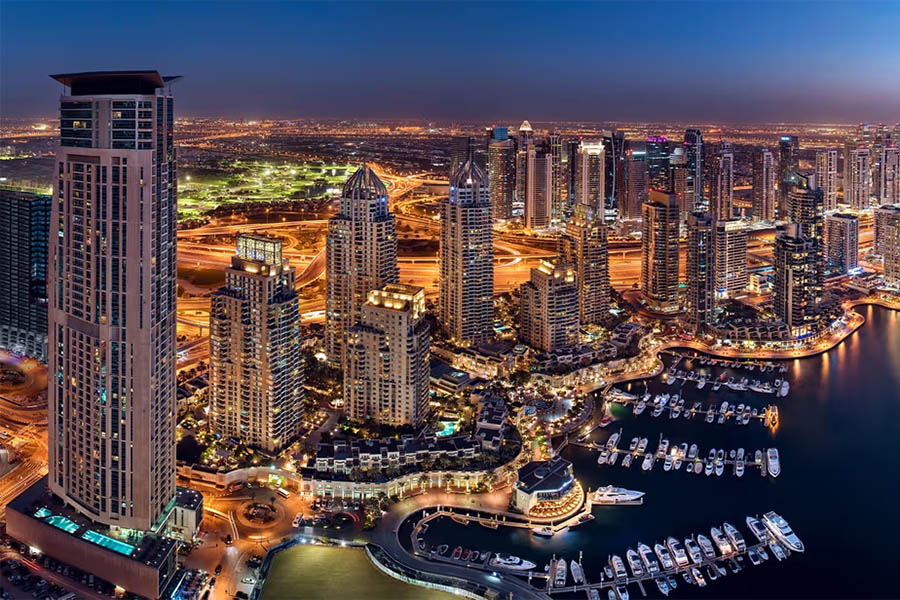
Alabbar is not merely a developer. He is something rarer: an architect of inevitability. The skylines he has conjured from the ground up, Downtown Dubai, the Burj Khalifa, Dubai Mall, were not built on optimism alone. They were built on the conviction that the Gulf’s ascent was structural, not cyclical. That the world would eventually catch up to what he already knew.
What the current moment has made clear, he argues, is that confidence in a place is everything. Even as global uncertainty lingers, Emaar has continued selling tens of millions of dollars’ worth of property every single day. To Alabbar, that is not a surprise. It is a validation. “People are becoming smarter about where they put their trust,” he says. “They want stability. They want leadership they can believe in. They want systems and regulation built for the long term. When a country offers all of that, capital follows.”
It is a point he makes with the calm of someone who has watched it proved true, repeatedly, over three decades.
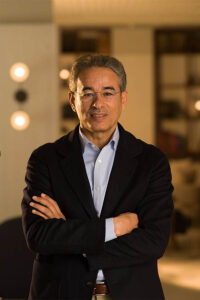
Alabbar has never liked to present himself as a grand strategist shaping history. The modesty, delivered with a familiar smile, is almost ritual. “I never felt that I was shaping anything,” he says. “I was simply very fortunate to be part of a country and a leadership that believed in the future before many others did.”
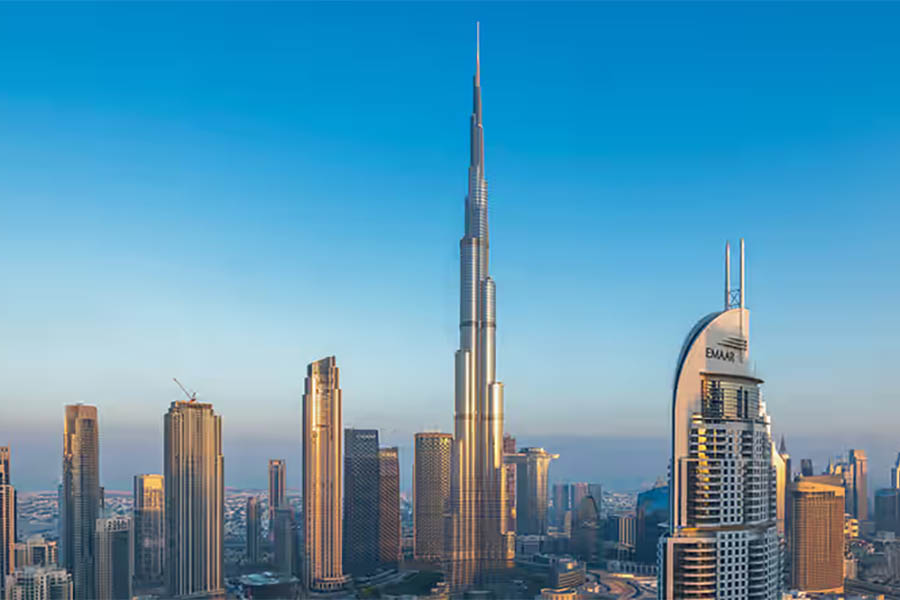
Yet the skyline suggests otherwise. Through Emaar, Alabbar helped deliver projects that redefined Dubai’s identity. Downtown Dubai, Dubai Mall, and the Burj Khalifa did more than create real estate value. They turned the city into a global symbol of possibility. What is striking is that Alabbar still frames these achievements not as monuments, but as places where people build their lives.
“At the end of the day cities are not about towers,” he says. “They are about people.”
That philosophy has become increasingly relevant as the Gulf enters its next stage of development. Across the region, governments are investing heavily in tourism, infrastructure, technology, and quality of life. Cities are becoming more thoughtful about livability, culture, sustainability, and identity. Developments are no longer simply statements of scale but expressions of how people want to live.
“Cities are not about towers. They are about people.”
Mohamed Alabbar, founder Emaar Properties
For Alabbar the challenge is maintaining discipline in the face of momentum. “Capital today is abundant everywhere,” he explains. “What is rare is conviction, patience, and discipline.”
It is a principle that has guided him throughout his career. While competitors often chased rapid expansion, Emaar focused on projects that defined entire districts. The result is that many of the company’s developments have aged unusually well. They still attract residents, visitors, and investors decades after completion.
“Leadership is not about staying on top,” Alabbar says. “It is about staying curious and staying humble.”
That humility is a recurring theme in how he describes his role. He talks less about personal success and more about the environment that made it possible. The UAE’s leadership, he says, created a framework where ambition could flourish and where people from around the world could contribute their energy.
Dubai’s success, in his telling, is the result of that collective ambition. “People came from everywhere with energy and ideas,” he says. “My role was simply to help execute that vision with discipline and optimism.”
The broader shift now taking place across the Gulf is changing how the region is viewed internationally. For decades it was framed primarily through the lens of energy. Today it is increasingly recognised for something else.
“I believe what we are seeing in the Gulf is not temporary,” Alabbar says. “The region is increasingly seen as a place of ambition and long term economic planning.”
That shift is already reshaping how global capital flows into the region. Investors are not only looking at real estate. They are looking at ecosystems: logistics, tourism, innovation districts, cultural institutions. Cities are becoming economic platforms rather than simply physical developments.
Today his attention increasingly extends beyond Dubai itself. Abu Dhabi, for example, is developing a distinctive identity that blends culture, education, and heritage. For Alabbar that difference matters. Cities should not copy one another.
“Abu Dhabi has always had a different personality from Dubai,” he says. “If we participate in its next chapter, the goal would not be to replicate Dubai but to respect Abu Dhabi’s character.”
As he reflects on decades of development, Alabbar’s definition of legacy has also evolved. Early in a career it is easy to measure success in square meters or skyline dominance. Later the perspective changes.
“When I look at projects we built, I do not see buildings,” he says. “I see millions of people who live, work, and create memories in those places.”
But lately he has been thinking about something more specific than memories. Something more fundamental. “Buying a home is the single greatest investment most families will ever make,” he says. “It is not just a roof. It is the most important asset a family will ever hold, passed from one generation to the next. When we design a community, we are not only thinking about how it looks or how it feels. We are thinking about what it will be worth to the people who trust us with that decision. We take that responsibility very seriously.”
That human lens connects back to his own origins. Alabbar grew up in modest circumstances, a background he credits with shaping his work ethic and worldview. “Nothing was guaranteed,” he says. “Hard work and integrity were the only real assets.”
Even now, when he occasionally stands in Downtown Dubai and looks across the skyline, the scale of the transformation can still feel surreal. For a moment he allows himself to acknowledge the journey.
Then the pause ends.
“There is always more to do.”
Because the leader who builds cities understands something simple: the horizon is never a finish line. It is an invitation to aim higher.