

Riyadh is not just building a music scene. It is rewriting who gets to shape it. When MDLBEAST Foundation opens applications for the 2026 edition of its HUNNA mentorship programme, it does more than announce another initiative. It draws a line through an industry that, like most around the world, has long been defined behind the scenes by men, and asks a different question. What happens when women are not simply included, but actively positioned to lead?
Across the Middle East and North Africa, music is accelerating from subculture to serious sector. Investment is flowing, festivals are scaling, and global names are paying attention. Yet beneath that momentum sits a familiar imbalance. Talent may be visible, but access to decision making, technical roles and leadership remains uneven. HUNNA is designed to challenge exactly that.
Since its launch, the programme has supported more than 100 women across the region through mentorship, leadership training and direct industry exposure. The number is intentionally focused. This is not about broad outreach or symbolic gestures. It is about building a cohort of women who can move through the industry with confidence, credibility and influence, and who are equipped to stay there.
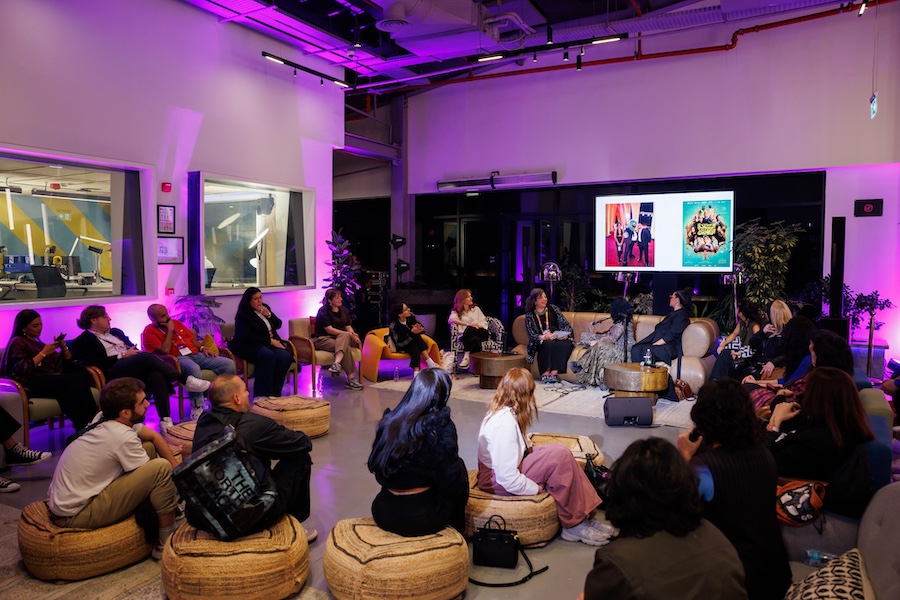
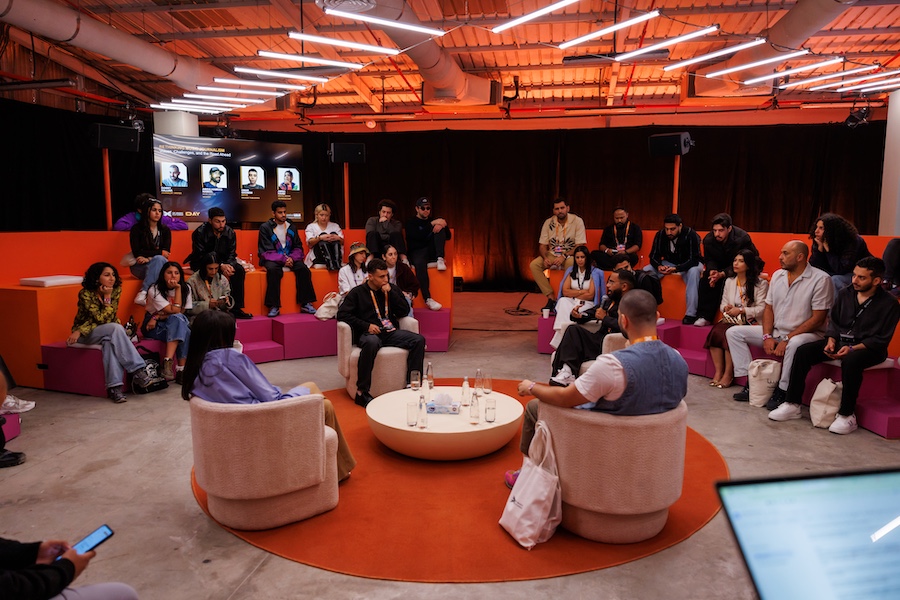
What makes HUNNA interesting now is how it is evolving. The initiative is moving beyond a programme into something more structural, with the development of an educational hub that expands access to learning, mentorship and professional opportunities. It is designed as a living network, one that grows with its participants. Women enter as mentees, develop their craft and their networks, and return as mentors, advocates and decision makers.
That cycle matters. It creates continuity in an industry that often struggles to retain female talent beyond early stages. It also builds something more powerful than visibility. It builds presence.
“Women are no longer asking for space in music.
They are building the future of it.”Sarah El Miniawy, founder & director, Simsara Music
At the same time, HUNNA is stepping into a more explicit advocacy role. This is where the shift becomes tangible. Working with industry stakeholders, festivals and organisations, the platform is pushing for better gender balance across lineups, teams and leadership. Not as a quota, but as a reflection of reality. Women are already creating, producing and shaping culture across the region. The gap is not talent. It is access.
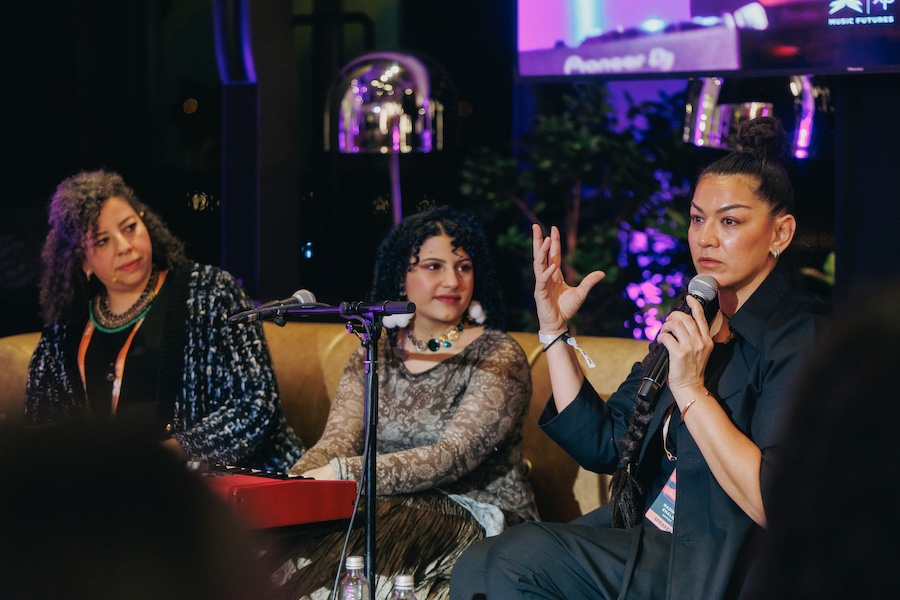
The programme’s ecosystem reflects that ambition. Mentors have included figures such as Sarah El Miniawy, Christina Lazic, Salam Kmeid and Celine Hitti, each bringing a different perspective on how the industry works and how it can evolve. Alumni are already moving into roles that shape the ecosystem, from live booking and sound engineering to songwriting and performance, and crucially, they are not leaving the network behind. They are reinforcing it.
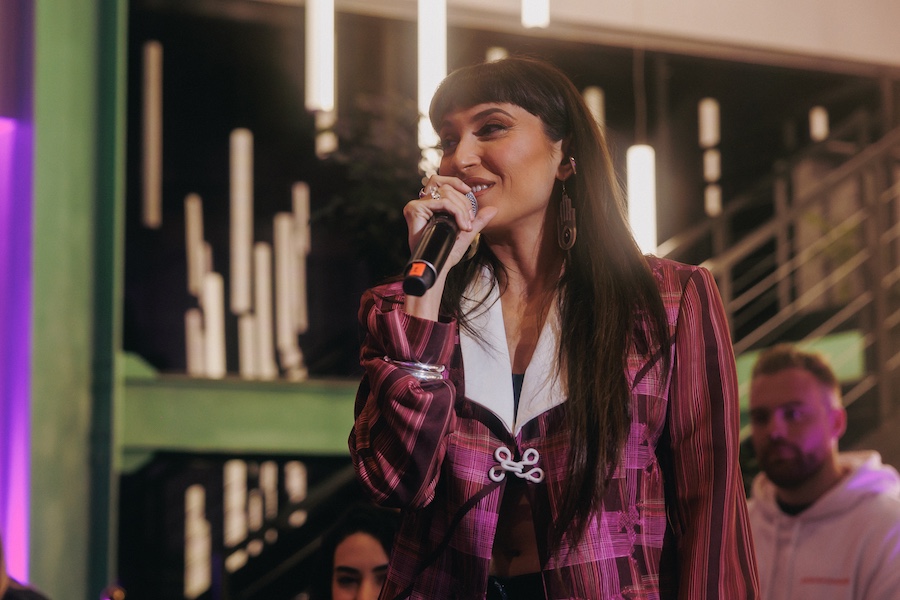
Within the wider MDLBEAST ecosystem, this signals something more deliberate. The festivals may capture global attention, but initiatives like HUNNA reveal where long term change is being built. Not just on stage, but behind it. In the rooms where decisions are made.
Applications for the 2026 edition are now open, with opportunities for both mentees and mentors. That dual structure feels intentional. It suggests a shift from access to ownership. From being invited into the conversation, to helping define it.
Because the real transformation underway in Riyadh is not only about music. It is about authorship. About who tells the story, who builds the platforms, and who decides what comes next.
And increasingly, it is women.