





As scientists race to slow biological ageing, longevity investor Joachim Rautter believes the next decade could transform how we grow old. But while we wait for the breakthroughs, his message is surprisingly simple: stay healthy enough to benefit from them.
Joachim Rautter has spent more than 25 years investing in emerging technologies, but he has a warning for anyone hoping to buy their way to a longer life. Swallowing handfuls of expensive supplements without knowing whether they work, he suggests, may achieve little more than producing “expensive urine”. For a man convinced that science could eventually transform human ageing, his advice is surprisingly straightforward: look after yourself.
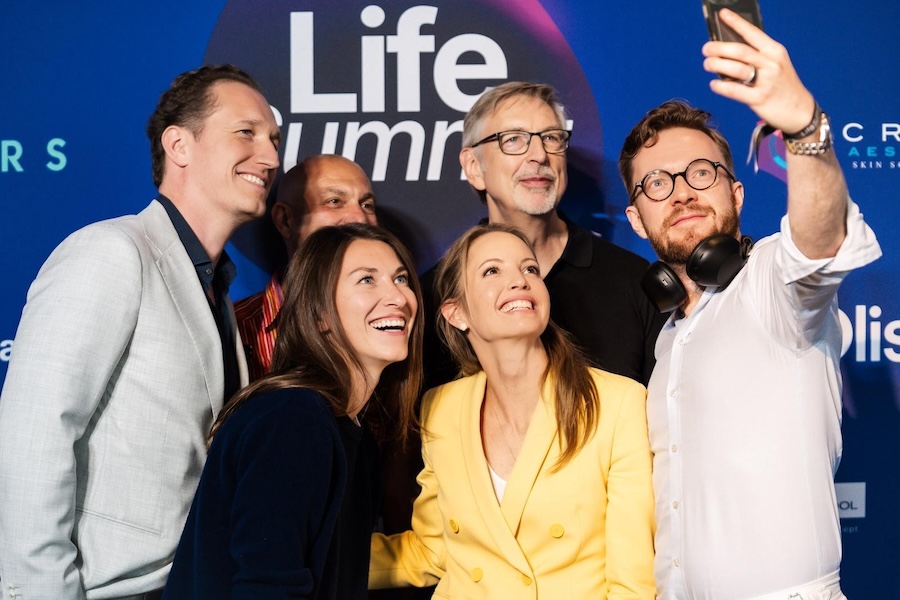
The German biophysicist and longevity investor will bring that combination of scientific optimism and healthy scepticism to the INMERGE Innovation Summit in Baku, where he will moderate two discussions exploring which longevity treatments are ready for clinical use and how insurers might adapt to a world in which people live considerably longer. As managing director of the Berlin Innovation Center for Ageing and Longevity (BiCAL), a partner of the UK’s National Innovation Centre for Ageing, Rautter is helping build an international ecosystem around one of science’s most ambitious pursuits.
The longevity industry, he explains, is developing at two very different speeds. At one end are biotechnology companies investigating the biological mechanisms of ageing, including cellular senescence and epigenetic reprogramming. Their potential is enormous, but so are the scientific and regulatory hurdles. “Ageing is not a disease,” he points out, at least not one officially recognised as an indication for drug development. Companies must therefore demonstrate that their treatments work against specific diseases rather than ageing itself.
At the other end is a rapidly expanding market for preventive healthcare, diagnostics, nutrition, exercise and wellness. These interventions may lack the futuristic appeal of regenerative medicine, but they offer something that experimental therapies cannot yet promise: opportunities to improve health today. For now, Rautter says, the most accessible ways to influence our ageing trajectory remain the familiar foundations of good nutrition, physical activity and mental wellbeing.
“We have to stay healthy for the next 10 to 15 years. Otherwise, we won’t benefit from the medical breakthroughs.”
Joachim Rautter, managing director, Berlin Innovation Center for Ageing and Longevity
He believes the first viable medicines specifically targeting ageing could still be five to ten years away. Artificial intelligence may accelerate drug discovery, but it cannot eliminate the need for clinical trials. In the meantime, he argues, we have an important responsibility to ourselves.
“We have to stay healthy for the next 10 to 15 years,” he says. Otherwise, we risk missing out on the very breakthroughs that could transform later life. “Anything you can do today to slow down your ageing process with proven, established methods that are not drugs but lifestyle interventions, you should do it.”

It is an intriguing proposition: look after yourself now so that future science has something healthier to work with.
The hope is that these efforts might eventually bridge the gap to what longevity circles call longevity escape velocity, the hypothetical point at which medical advances extend remaining life expectancy faster than time passes. Whether science can achieve that remains an open question, but Rautter’s optimism is infectious. He is equally sceptical, however, of an industry increasingly crowded with extravagant promises, particularly longevity clinics offering poorly substantiated treatments and consumers taking supplements without understanding whether they need them. Diagnostics, he insists, should guide decisions rather than fashionable recommendations.
That combination of scientific ambition and practical realism is also shaping the wider longevity movement. At the Life Summit in Berlin, which Rautter co-founded, he was struck not by a technological breakthrough but by the unusually young audience. Generation Z, he observed, is increasingly interested in preventive health, recognising that choices made early in life may influence decades of wellbeing.
But longevity raises questions that extend well beyond medicine. If science eventually gives us another 50 healthy years, what exactly are we going to do with them? When the possibility of a second career as an actress comes up in conversation, Rautter is amused, but he sees a serious question beneath the fantasy.
“You need purpose,” he says. Longer lives could make the traditional progression from education to employment to retirement increasingly obsolete. People may need to retrain repeatedly, pursue several careers and reconsider when, or whether, they retire. Pension systems, already strained by demographic change, would require fundamental reform.
He points to Stanford University’s New Map of Life, which explores how societies might reorganise education, work and opportunity around longer lifespans. The implications are enormous, particularly for younger generations already questioning whether existing economic and social arrangements will work for them.
Yet when asked which of his many roles matters most, Rautter’s answer is neither venture capital nor biotechnology. It is something considerably more fundamental.
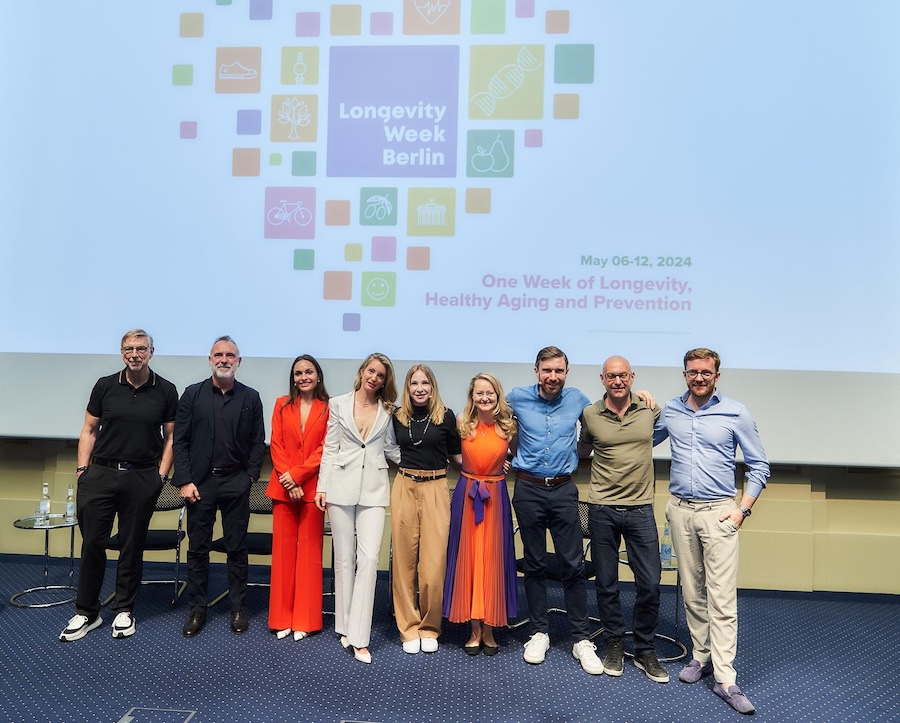
He describes a healthcare system that too often waits until people become ill before offering treatment. “Healthcare, basically in our society, is sick care.” He wants to reverse that logic, creating incentives for prevention across education, insurance, technology and healthcare itself.
It is a philosophy known as salutogenesis, concerned with understanding what creates and sustains health rather than simply identifying the causes of disease. “We look at what makes people sick,” he explains, contrasting the traditional medical focus on pathogenesis with his growing interest in what keeps people healthy. “That’s my mission.”
For a man who has spent his career investing in the technologies of tomorrow, Rautter’s ambition is remarkably grounded in the present. He wants to change the way we think about health, shifting our attention from treating illness to preventing it. The breakthroughs may be coming, but until they arrive, staying healthy is perhaps the most important investment any of us can make.