

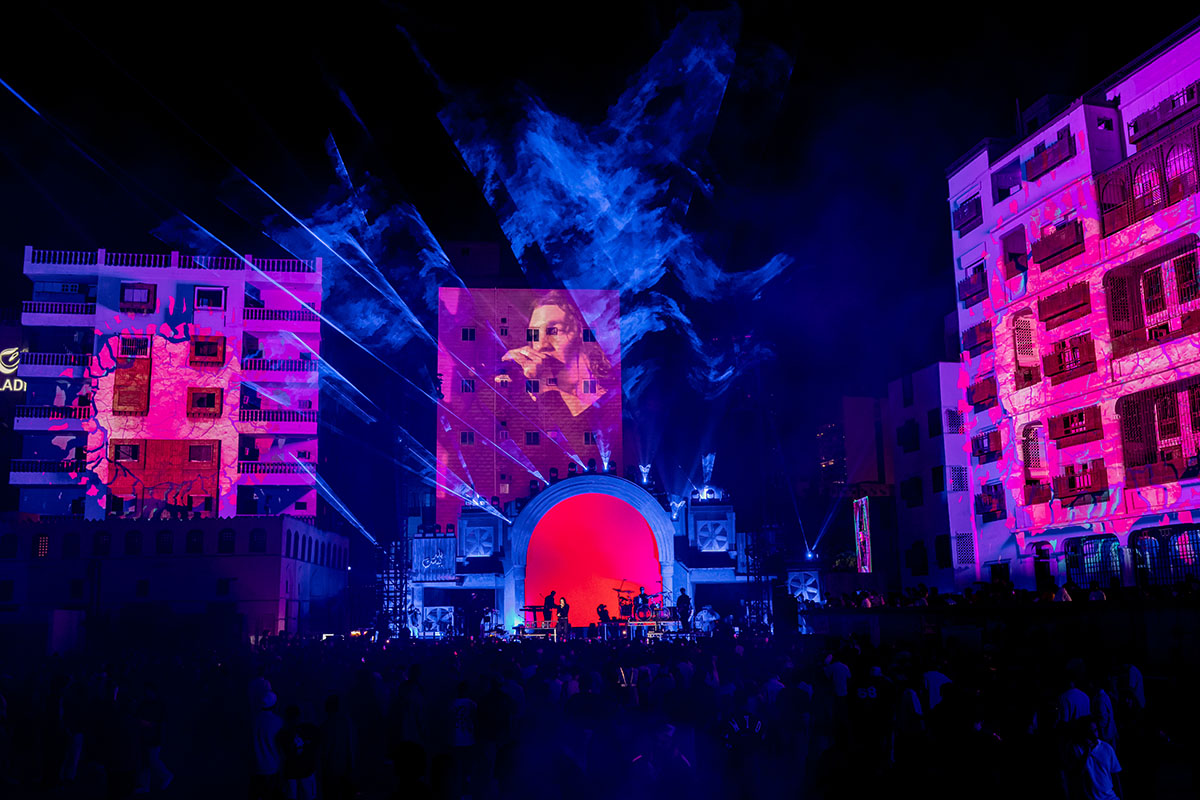
On paper, Balad Beast is a festival. In reality, it feels closer to a cultural experiment. Set inside Al Balad, Jeddah’s UNESCO listed historic district, it places contemporary electronic music inside narrow alleys, courtyards, and centuries old architecture, asking a simple but radical question: what happens when a global music movement is embedded inside living history rather than isolated on an empty field?
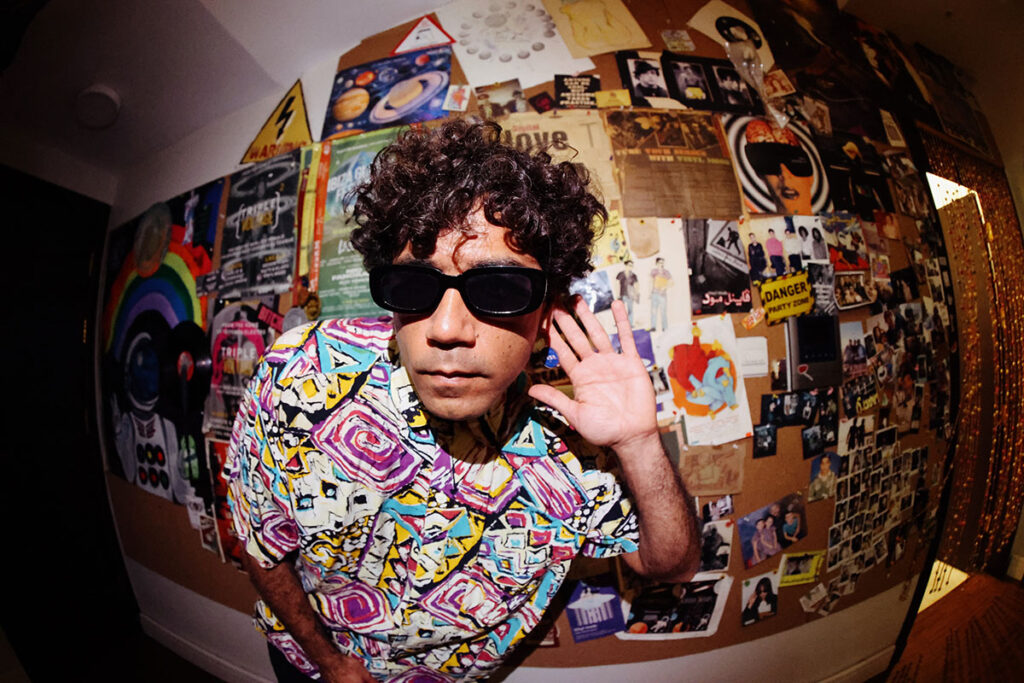
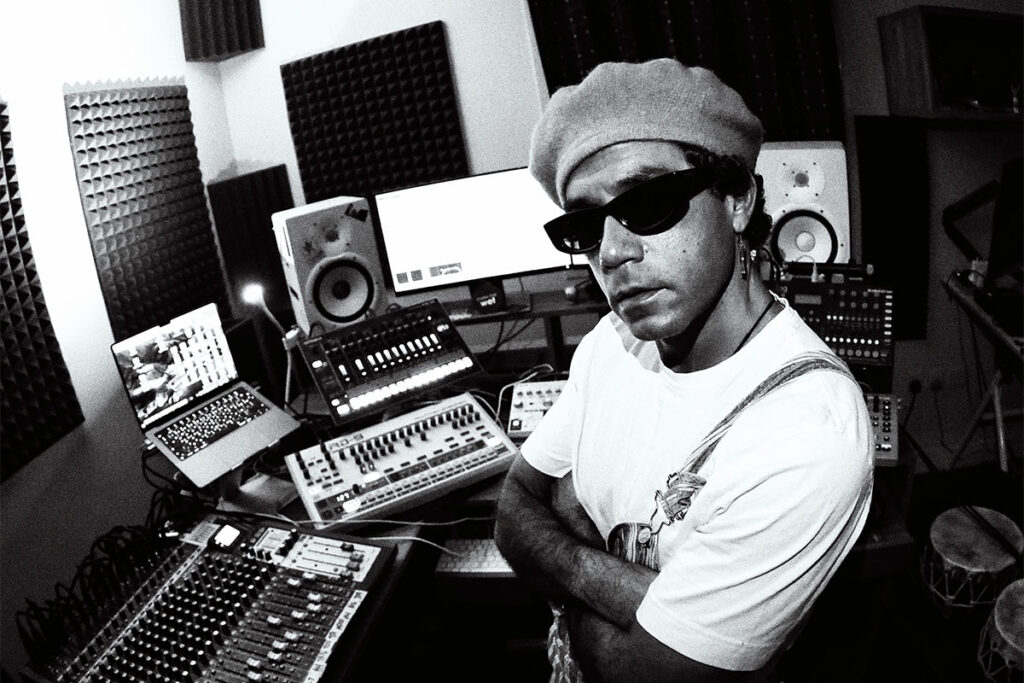
For artists like Muhanned Nassar, known internationally as Vinylmode, the answer is deeply personal.
“I’ve played in many places,” he says, “but nothing feels like this.” Performing inside the district where generations have lived, traded, and gathered, surrounded by textures and memories that cannot be replicated, reframes what it means to stand behind the decks. It is not only about delivering a set. It is about participating in a story that stretches far beyond music.
Nassar’s own journey mirrors that evolution.
Long before Balad Beast existed, before MDLBEAST built global platforms in Saudi Arabia, he was part of Jeddah’s underground scene, organising small gatherings, sharing tracks through informal networks, and experimenting with sound in spaces that were never designed for dance floors. There were no templates. No institutions. No expectation of visibility. There was only community.
“I never thought about it as building a career,” he reflects. “We were just trying to create something real. Something that belonged to us.”
That instinct shaped everything that followed. House music became his language, not as a genre but as a philosophy rooted in inclusion, connection, and emotional honesty. In a city where electronic music developed from the margins, learning how to read a crowd became essential. So did learning how to balance ambition with responsibility.
“It feels like performing in the streets of my own neighborhood”
Vinylmode
For years, the ceiling was low. Local artists could thrive within the region, but global exposure felt distant. International bookings were rare. Professional infrastructure was limited. And yet the scene kept growing, refining itself in parallel with a country that was learning how to make space for it.
Then MDLBEAST arrived.
With SOUNDSTORM and later Balad Beast, the company introduced scale, visibility, and institutional backing to a culture that had previously relied on informal systems. For some, this raised concerns about commercialisation. For Vinylmode, it represented possibility.
“When MDLBEAST started, it changed the psychology,” he explains. “Suddenly, you could see where this could go. You could see that there was a pathway.”
Balad Beast became one of the clearest expressions of that shift. Unlike mega festivals built around spectacle, it prioritised context. Production was world class, but never overwhelming. Programming was ambitious, but carefully woven into the setting. For artists, it offered something rare: a platform that respected both their craft and their environment.
That respect resonates with Vinylmode. His sets at Balad Beast move between groove and introspection, shaped by years of playing for diverse audiences in intimate spaces. Rooted in house music but informed by Jeddah’s rhythms and sensibilities, his sound resists easy categorisation. It reflects a life lived between underground culture and emerging institutions.
“If we forget where this came from, we lose something important,” he says. “It stops being honest.”
That commitment to honesty extends beyond performance. He remains deeply involved in mentoring younger artists and supporting local initiatives, ensuring that Balad Beast is not just a showcase but part of a wider ecosystem. For him, festivals should not be endpoints. They should be catalysts.
Saudi audiences have evolved alongside that ecosystem. Over the past decade, listeners have become more musically literate, more adventurous, and more open to complex sounds. Exposure through platforms like MDLBEAST accelerated that process, while events such as XP reinforced it by connecting artists to global industry networks.
“People here learn fast,” Vinylmode notes. “Once they trust you, they go on the journey with you.”
That trust is visible in Al Balad during festival nights. Crowds flow organically between stages, guided more by instinct than signage. Conversations mix with basslines. History and experimentation coexist without friction. The setting refuses to become a backdrop. It remains an active participant.
How many festivals in the world can say that a UNESCO heritage site is not just their setting, but their co author?
International perceptions are still catching up. Some visitors arrive with outdated assumptions about Saudi culture and creative life. Balad Beast dismantles those narratives calmly and effectively.
“When people come and see it for themselves, everything changes,” Vinylmode says. “You don’t need to explain. You just show them.”
For him, the real impact of Balad Beast lies in what it makes possible long term.
“There’s a difference between having moments and having a career,” he reflects. “Now we can think long term.”
That long term thinking shapes his ambitions. Beyond performance, he is increasingly focused on production, mentorship, and contributing to the creative economy. His success is measured not only in bookings, but in whether younger artists feel empowered to build sustainable paths without leaving home.
“For me, it’s when someone younger than me feels like they don’t have to leave to be heard,” he says. “When they feel like they can build something here and take it anywhere.”
In that sense, Balad Beast is more than a festival. It is infrastructure. It is proof that underground culture can scale without losing its soul. That heritage can host innovation. That global relevance does not require erasing local identity.
Standing in Al Balad during the early hours, surrounded by layered rhythms, illuminated architecture, and thousands of people who would not have gathered here a decade ago, the transformation feels tangible. It feels built through years of trial, error, persistence, and belief rather than shortcuts.
For Vinylmode, it represents the full arc of a journey that began in small rooms and now unfolds inside one of the Kingdom’s most historic spaces. For Saudi electronic music, it signals something deeper: a scene that no longer needs permission to exist, only the freedom to keep evolving.