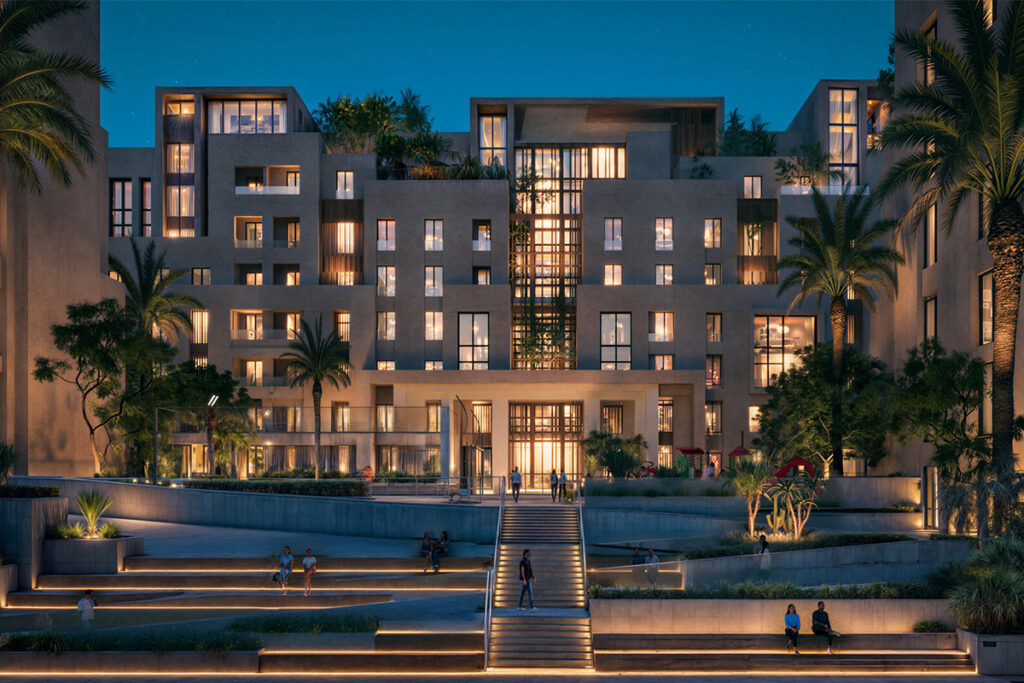
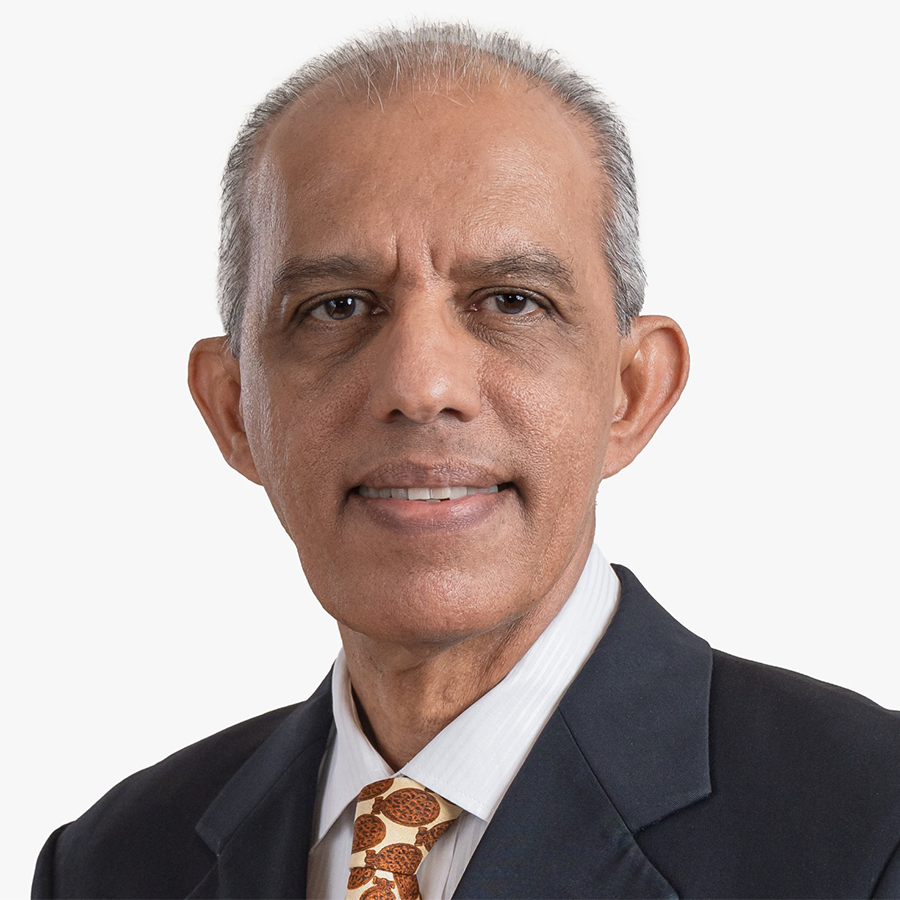
“We want to do our part in a meaningful way,” says Anis Alhabshi, vice president of Arabian Dyar. “To provide housing for Saudi citizens that feels real, family-oriented, and aligned with Vision 2030.”
That quiet conviction says everything about a company helping turn a national vision into daily life. Founded in 2011, Arabian Dyar is a family-owned business that has grown into one of the Kingdom’s most agile and forward-thinking developers, delivering thousands of homes while weaving technology, design, and Saudi identity into a new urban language. On its website, the company describes its mission as blending “deep-rooted Arabian values with innovative design and sustainable practices.” In a market where scale often overshadows substance, Arabian Dyar’s credibility lies in execution.
Over the past six years, it has handed over more than 5,600 homes in collaboration with the National Housing Company—projects that show what Vision 2030 looks like up close. “These aren’t the typical national housing schemes you might imagine,” says Alhabshi. “They were built to private-sector standards. Mid-scale, sometimes upper-mid, and families love them.” It’s an achievement that reflects a quietly revolutionary principle in Saudi Arabia’s building boom: progress measured not only by skylines, but by livability.
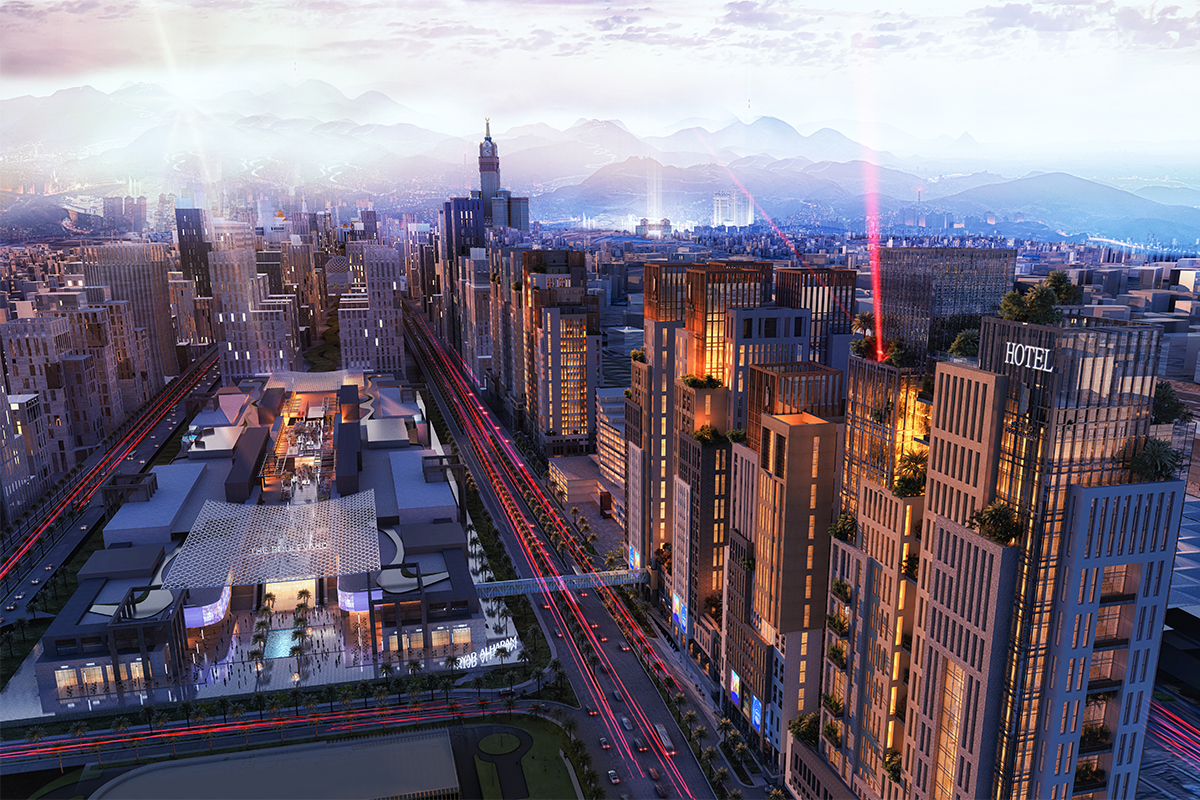
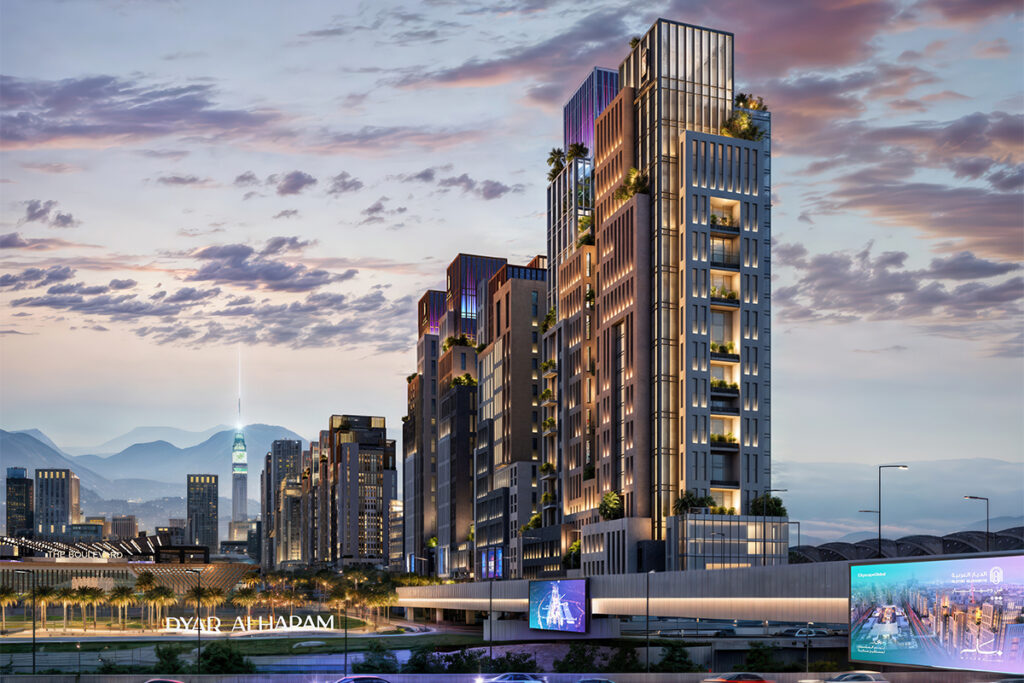
The company’s next milestone rises in Makkah, beside the Haramain high-speed rail station, where Arabian Dyar is developing a mixed-use complex that connects modern infrastructure with spiritual heritage. “When the train from Jeddah arrives and the doors open, our project is right there,” he says. The development will include serviced apartments and furnished residences designed for upper-mid-income Saudis, but the team is already watching the horizon. Within months, Saudi Arabia is expected to finalize new regulations allowing foreign ownership of homes—a once-unthinkable step that could unlock a powerful new investment market.
“We’re waiting with bated breath,” Alhabshi admits. “There’s strong interest, even from non-Muslims who see Saudi real estate as a serious investment. Once the framework is clear, we’ll be ready.”
Arabian Dyar’s ambitions stretch beyond homes. This year it signed a major agreement with the Saudi Authority for Industrial Cities and Technology Zones (MODON) to develop more than ninety ready-made factories in Jeddah, representing an investment of about $38 million. Covering over 109,000 square meters, the project will provide space for small and medium-sized manufacturers—an often-overlooked foundation of Saudi Arabia’s diversification strategy. “We’re not just building factories,” says Alhabshi. “We’re building platforms for innovation, productivity, and prosperity.”
That pragmatic expansion captures the spirit of the Saudi transformation. As the economy tilts toward logistics, manufacturing, and advanced industry, developers like Arabian Dyar are no longer simply constructing buildings—they’re engineering ecosystems. The company’s newly announced collaboration with Google will accelerate that evolution, integrating artificial intelligence into design, construction, and operations. “Our shareholders want to infuse technology into everything we do,” Alhabshi explains. “AI will help us understand the market better, so we can create products that truly fit the next generation.”
“We’re building platforms for innovation, productivity, and prosperity.”
Anis Alhabshi, vice president, Arabian Dyar
If technology defines the company’s future, people remain its heartbeat. “I’d be lying if I said recruitment isn’t a challenge,” he says. “Competition for talent is fierce. The big firms can pay double or triple what we offer. So we focus on mentoring, on fast-tracking careers. People learn quickly because we move quickly.” It’s a candid admission that reflects the real pressures of Vision 2030’s human-capital race—where every ambitious company must grow its own expertise as fast as it builds its projects.
For global investors, Arabian Dyar’s story offers a window into the maturity of the Saudi market. The company’s success depends on the same structural reforms that are redefining the Kingdom’s reputation: stronger governance, open finance, and legal clarity. “When you bring international business, the first thing they ask is whether the laws are in place to protect them,” Alhabshi says. “The rule of law and the strength of our financial markets give investors confidence that their capital will be protected.”
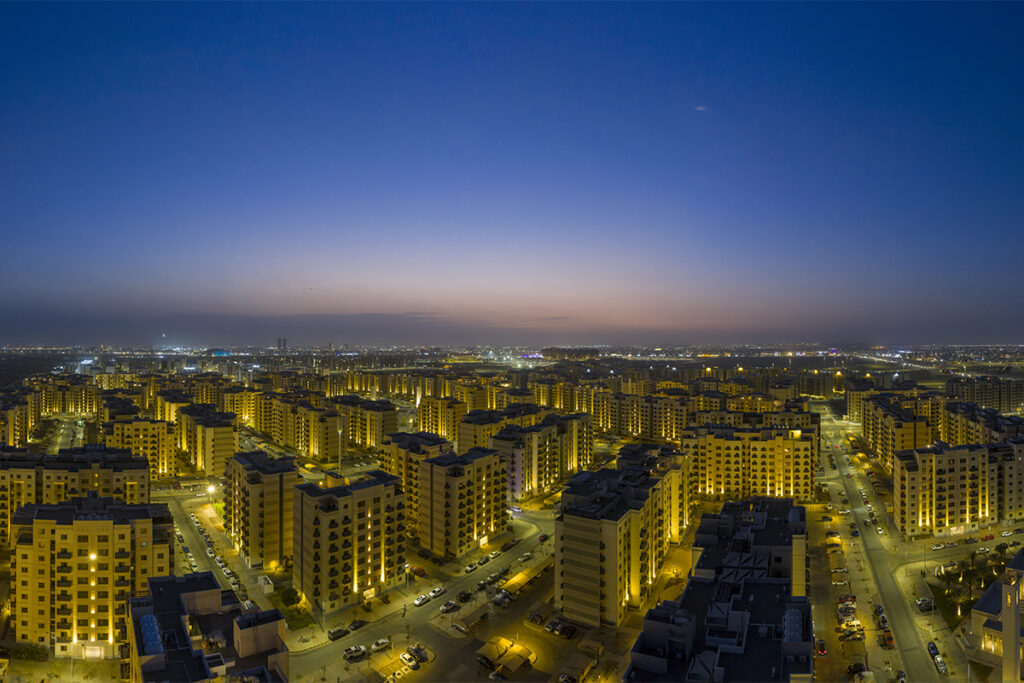
Arabian Dyar may not be chasing headlines with billion-dollar megaprojects, but in many ways, it embodies the deeper narrative behind Saudi Arabia’s transformation. It builds the connective tissue of the new economy—places to live, work, and create. The company’s partnership with the FII Institute underscores that ambition, placing it among a network of forward-looking Saudi businesses shaping the Kingdom’s global future.
“We want to deliver homes and communities that matter, create jobs that last, and build something our children will be proud of,” says Alhabshi. In a nation rewriting its story, Arabian Dyar is making sure the plot is built on substance—and that every brick points toward a lasting kind of prosperity.