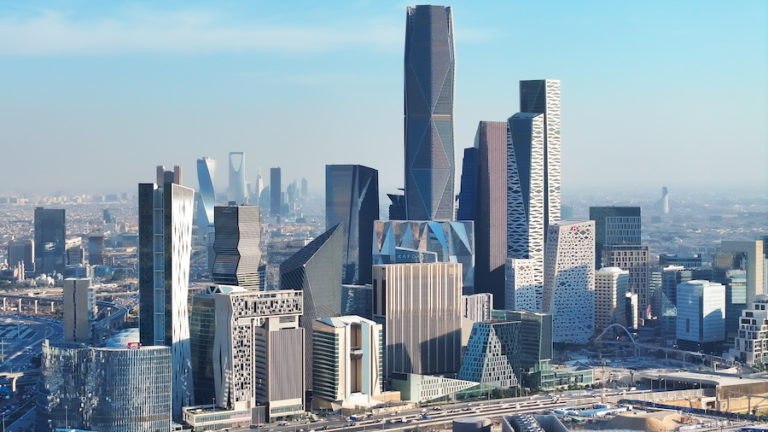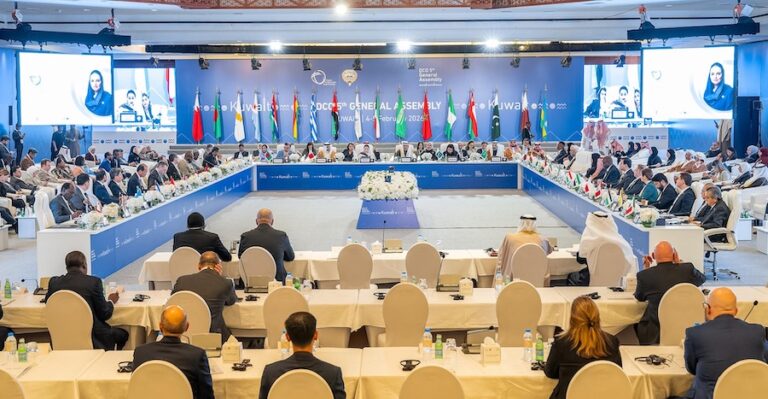






Something big is happening in global health, and it didn’t start in a lab. It started in Riyadh. The Future Investment Initiative (FII) Institute, a Saudi-born nonprofit with a mission to create real impact on humanity, has launched the Blueprint for Healthy Humanity: a rallying call to governments, corporations, and citizens to embed prevention and wellbeing into the foundations of modern life.
For decades, health policy has been reactive. We wait until people get sick, then pour billions into rescue. The FII Institute’s message is clear: that logic no longer works. With 1.5 billion people expected to be over 65 by 2040 and most spending their final decade in poor health, the world cannot afford to ignore prevention. Around three quarters of chronic disease is linked not to genetics but to lifestyle. Fixing that means redesigning systems, not repeating slogans.
The Blueprint is part strategy, part movement. It calls for every citizen to receive a free preventive health check-up every two years, a bold proposition backed by solid economics. Every dollar invested in prevention, it argues, can return six in economic benefit. For companies, that means healthier, longer-working employees. For nations, it means lower healthcare costs and higher productivity. And for individuals, it means more years lived well, not just longer lives.
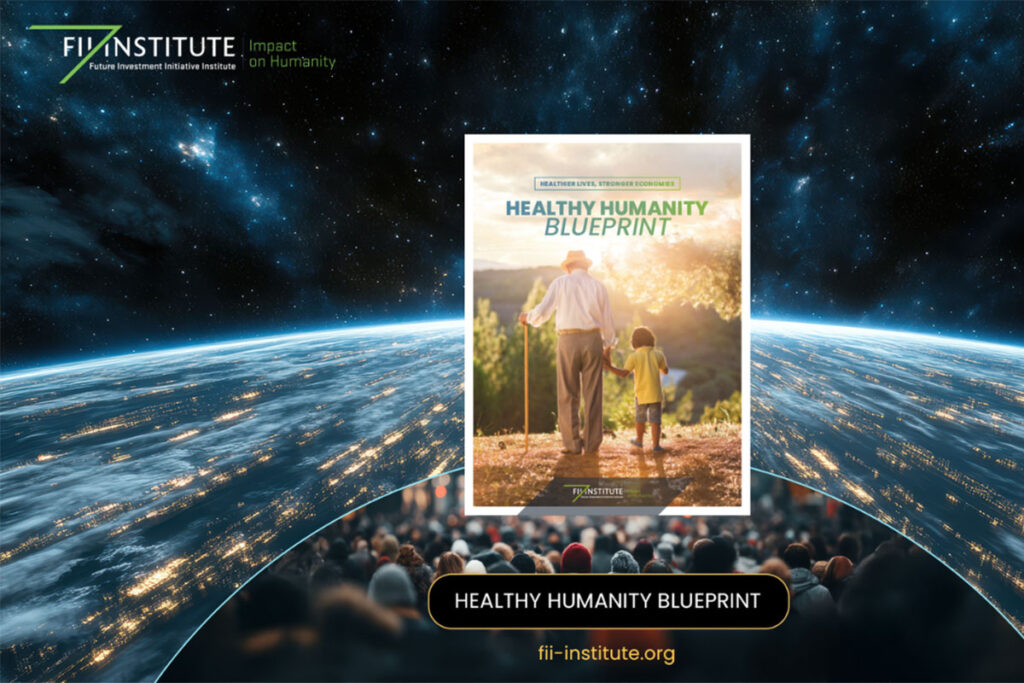
Its four pillars — prevention, screening and diagnostics, health management, and education — may sound simple, but together they outline a world where health systems evolve from “sick care” to true healthcare. Prevention becomes a right, not a privilege. Early detection becomes universal, powered by AI, digital tools, and equitable access. Education shifts from crisis response to lifelong self-care.
In many ways, this is Vision 2030 thinking applied to global health. Just as Saudi Arabia is reshaping its economy around innovation, human capability, and sustainability, the FII Institute is applying the same reform spirit to wellbeing. It is exporting the Kingdom’s philosophy of transformation — the belief that bold action, guided by data and collaboration, can create shared prosperity — to one of humanity’s greatest challenges: how to age better, not just longer.
“Health lies at the heart of prosperity. We must make prevention a right, not a privilege,”
Richard Attias, acting CEO of FII Institute
That ambition is echoed by partners such as the Hevolution Foundation, which shares Riyadh’s conviction that science can extend healthspan as well as lifespan. Hevolution’s research into the biology of ageing complements the Institute’s mission to make prevention mainstream, reinforcing Saudi Arabia’s growing leadership in the future of health.
The economic case is as compelling as the moral one. Healthier populations strengthen resilience, attract investment, and fuel innovation. Prevention is not just the right thing to do; it is an efficiency revolution. A system that spends less on avoidable illness can spend more on discovery, education, and inclusion. Nations that prioritise early detection and behavioural health already see measurable gains in productivity and wellbeing.
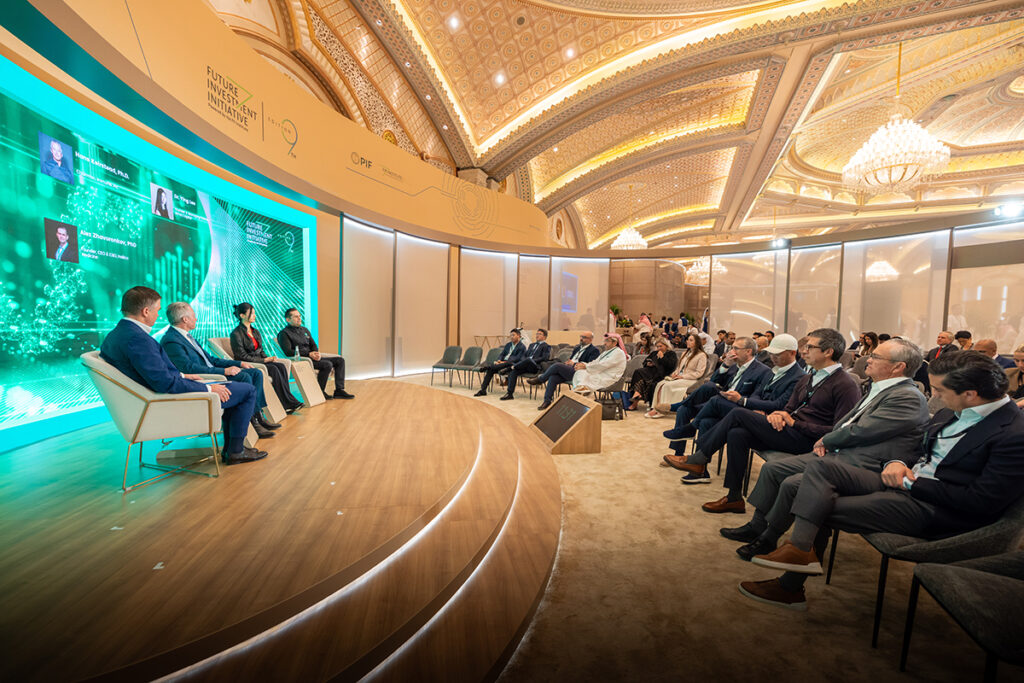
The real breakthrough lies in how the Institute is reimagining collaboration. Through its Healthy Humanity Initiative, FII is bringing together governments, insurers, investors, and innovators to translate research into policy and pilots into scalable impact. The goal is not another report, but measurable change. It is creating a shared framework for progress, funding, and outcomes that links healthspan directly to economic prosperity.
It is a vision that feels inevitable once stated clearly: make prevention the world’s most powerful economic policy. Few institutions have had the influence or credibility to push that idea globally — until now.
The Blueprint for Healthy Humanity is more than a report. It is an invitation to rethink what success looks like in healthcare and in life itself. Health is not an expense; it is an investment. Prevention is not a cost; it is capital. And if the FII Institute has its way, wellbeing will soon stand alongside education, infrastructure, and sustainability as a universal driver of growth.
For the billions of people who will live into their eighth and ninth decades, that is more than policy. It is a promise.