



Regenerative tourism may sound like the latest buzzword in an industry addicted to reinvention, but a new global report makes clear that it is far more than a marketing trend. It is a survival strategy for the planet, and for the businesses that depend on people travelling to beautiful places. The study, released by Red Sea Global alongside the Future Investment Initiative Institute, Wave, and the Prince Albert II of Monaco Foundation, pulls no punches. If the travel industry wants to keep pace with public demand for experiences that give back more than they take, innovation and investment have to accelerate now.
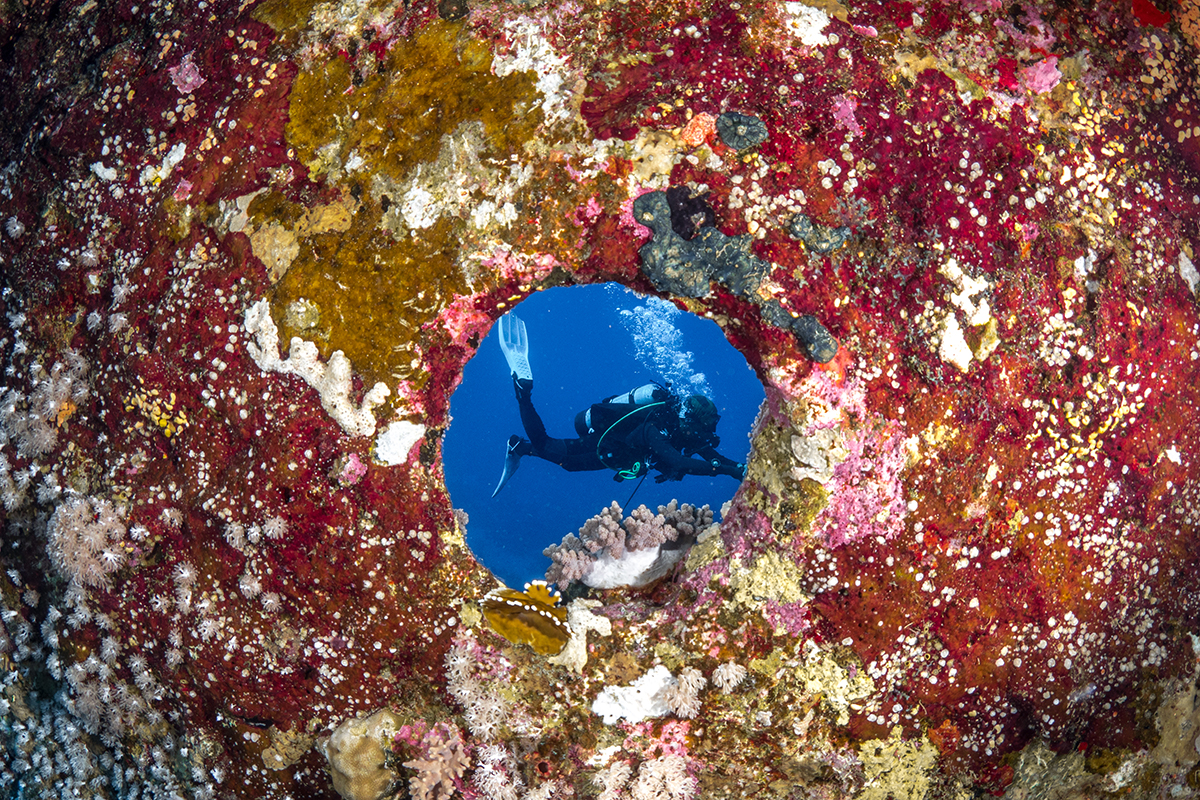
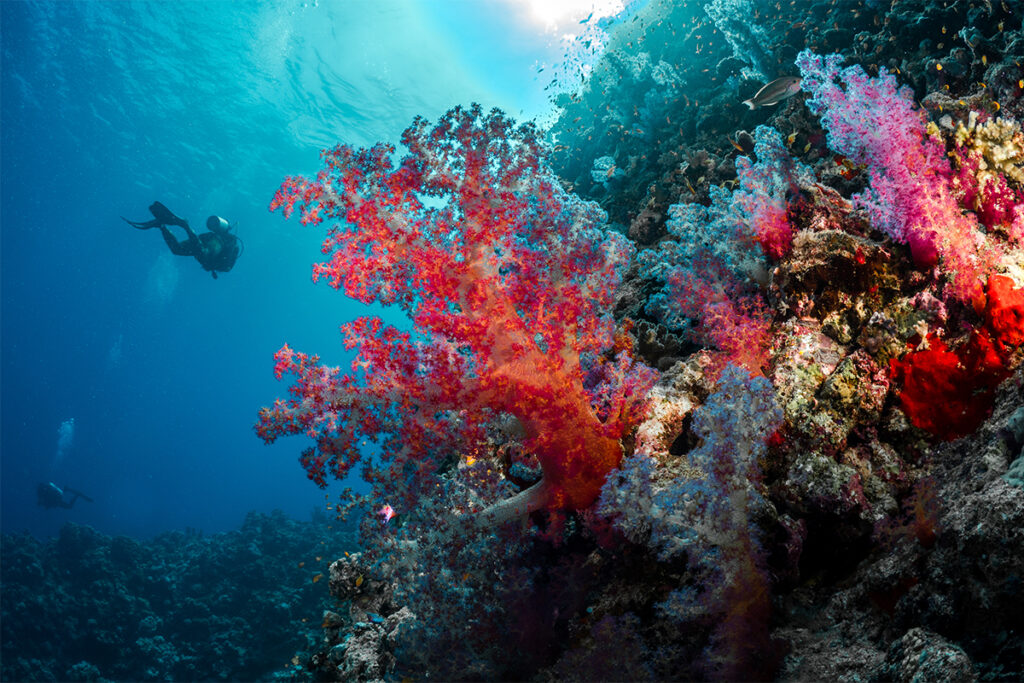
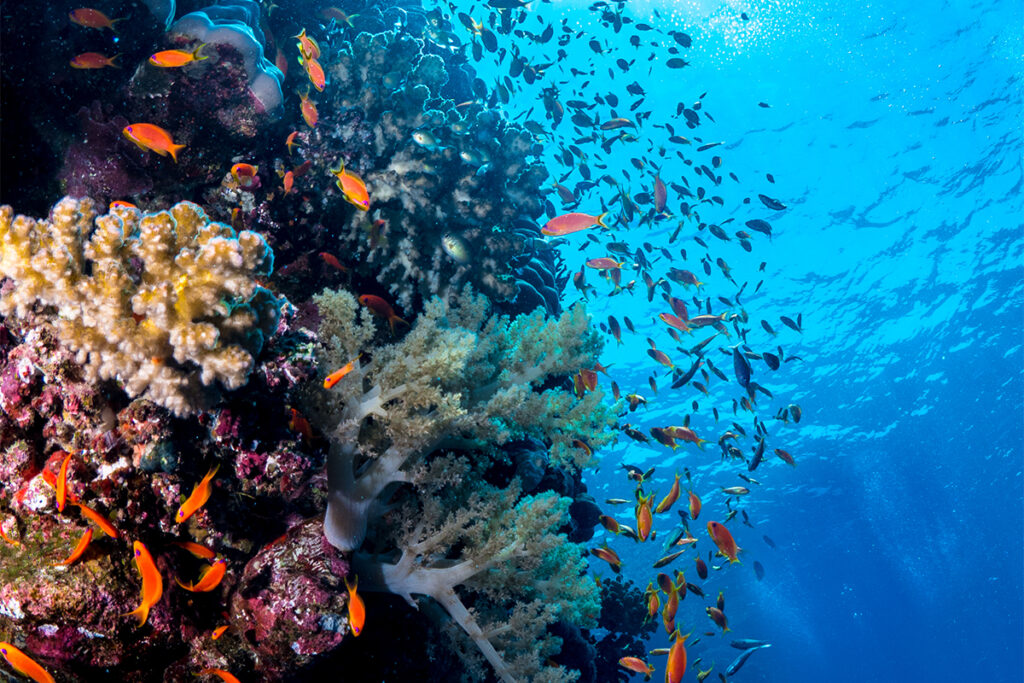
The paradox at the heart of the report is stark. The blue economy is already valued at $2.5 trillion and projected to double by 2030, while nearly half of global travelers say they are willing to pay extra for sustainable stays. Yet genuine regenerative options are still rare. Too many resorts still fall back on carbon offsets or thin green marketing, when what people increasingly expect are destinations that restore coral reefs, rebuild biodiversity, and leave communities stronger than before.
The numbers reveal just how big the opportunity is. Tourism generates close to $10 trillion a year and accounts for more than 9% of global GDP, with over half of that activity taking place in coastal and marine environments. But only one in five hospitality leaders has implemented regenerative practices at scale. Investors, meanwhile, remain cautious. Despite a $3 trillion market opening, 58% say they lack the data or confidence to back blue tech and community-led ventures. The result is a frustrating mismatch between consumer demand and supply that risks stalling the sector’s transformation.
“Tourism can be a powerful force for good. Our projects prove that destinations can thrive while protecting and enhancing the environment.”
Raed Albasseet, chief environment & sustainability officer, Red Sea Global
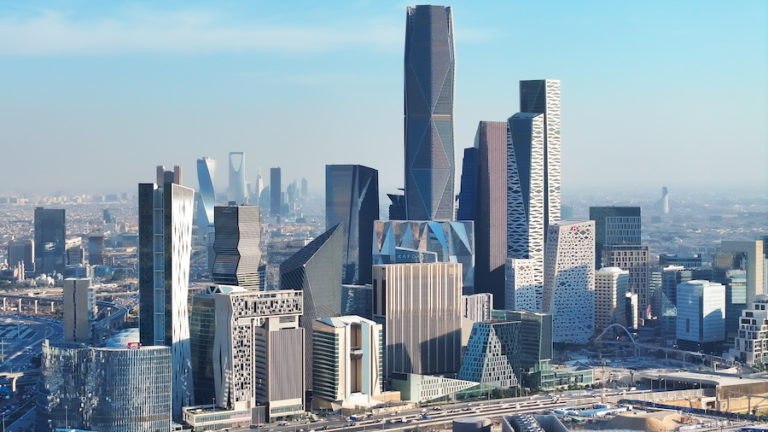
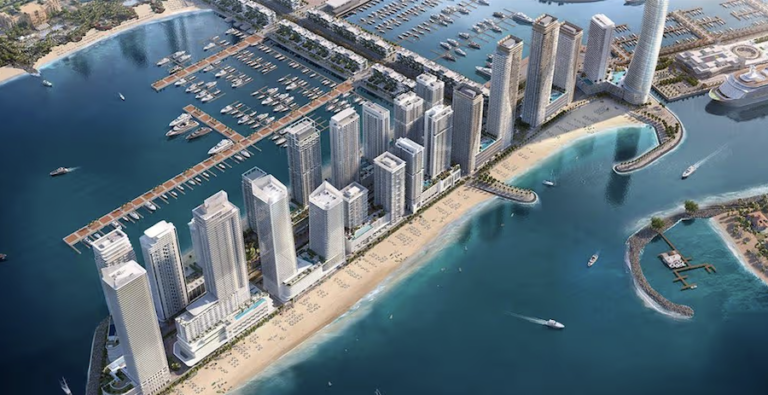
At Red Sea Global, the Saudi developer behind pioneering projects such as The Red Sea and Amaala, the philosophy is that tourism can be a force for good. The company is powering new destinations entirely with renewable energy, nurturing coral and seagrass nurseries, and investing in local agriculture and training schemes. “This report underscores the urgent need to unlock innovation and investment in regenerative practices,” says Raed Albasseet, RSG’s chief environment and sustainability officer. “Our own experience demonstrates that it is possible to create thriving destinations that also protect and enhance the environment.”
What makes this collaboration unusual is the breadth of players involved. Wave, founded by Princess Reema Bandar Al-Saud, is building an ocean data platform to close knowledge gaps. The Prince Albert II of Monaco Foundation is championing biodiversity protection in fragile regions from the Mediterranean to the poles. And the FII Institute is framing the debate for investors and policymakers, positioning regenerative tourism not as a niche experiment but as a mainstream economic opportunity.
Their report was not just left to gather dust on conference tables. Its findings were tested in Monaco during the Blue Economy and Finance Forum and then carried to the UN Ocean Conference in Nice, where innovators showcased everything from AI-driven marine monitoring to reef-restoring technology. The energy around these gatherings points to a growing realization that regenerative tourism is not just about doing less harm. It is about actively making things better.
The call to action is crystal clear. Investors need to recognize the scale of the opportunity. Policymakers must create regulatory environments that reward long-term regenerative outcomes. Hospitality groups have to rethink what luxury means when the most valuable amenity of all is a living, thriving ocean. The public has already signaled its readiness to pay. The challenge now is whether the industry can deliver at the speed required.
What is certain is that travel is entering a new age. The destinations that succeed will be those that restore the places they touch, harness technology intelligently, and invite travelers to be partners in regeneration rather than passive consumers. For an industry built on dreams, there is no greater story to tell than that of a planet made richer and more resilient by the journeys we choose to take.