

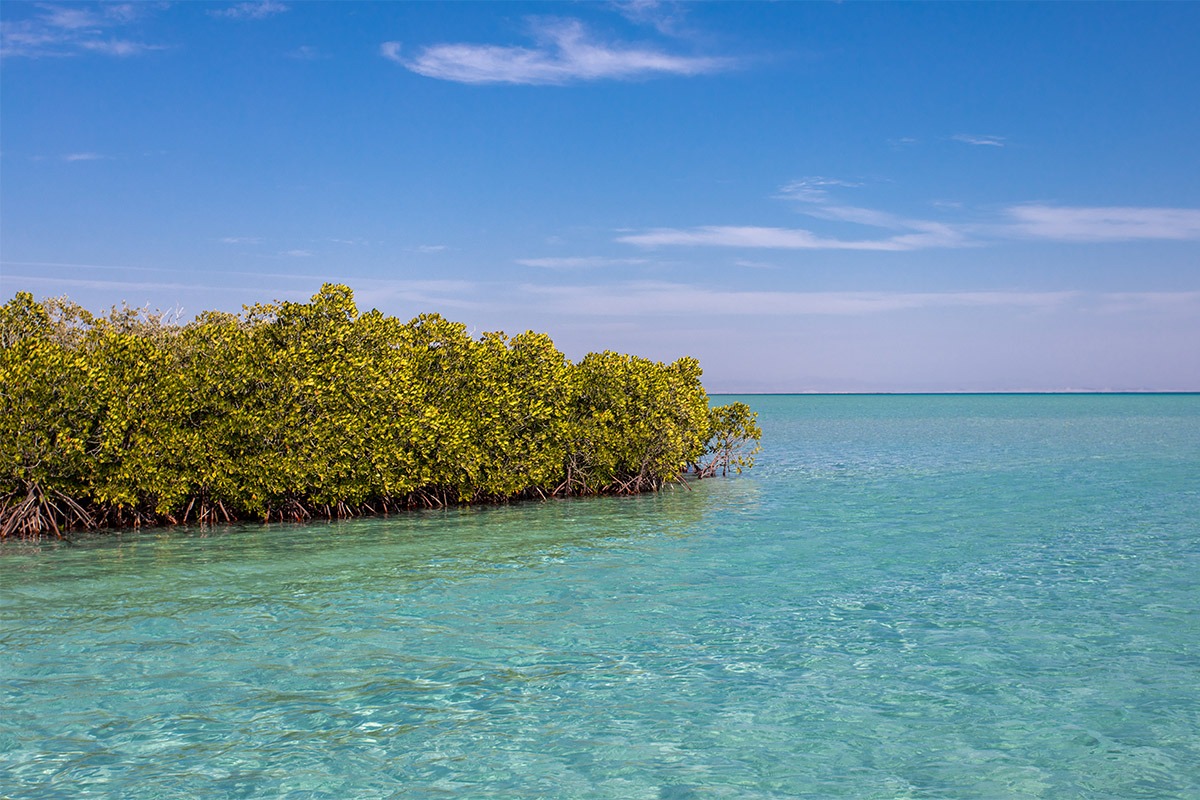
On the edge of the Saudi coast, where turquoise waters kiss untouched coral reefs and mangroves hold natural wisdom in their roots, Red Sea Global is rewriting the rules of travel. This isn’t luxury for luxury’s sake—it’s a vision that fuses ambition with conscience, and aesthetics with science. And at its heart is one simple, radical idea: regeneration. “Sustainability maintains the status quo,” says John Pagano, Group CEO of Red Sea Global. “But the world is changing fast. Regeneration dares to make things better.”
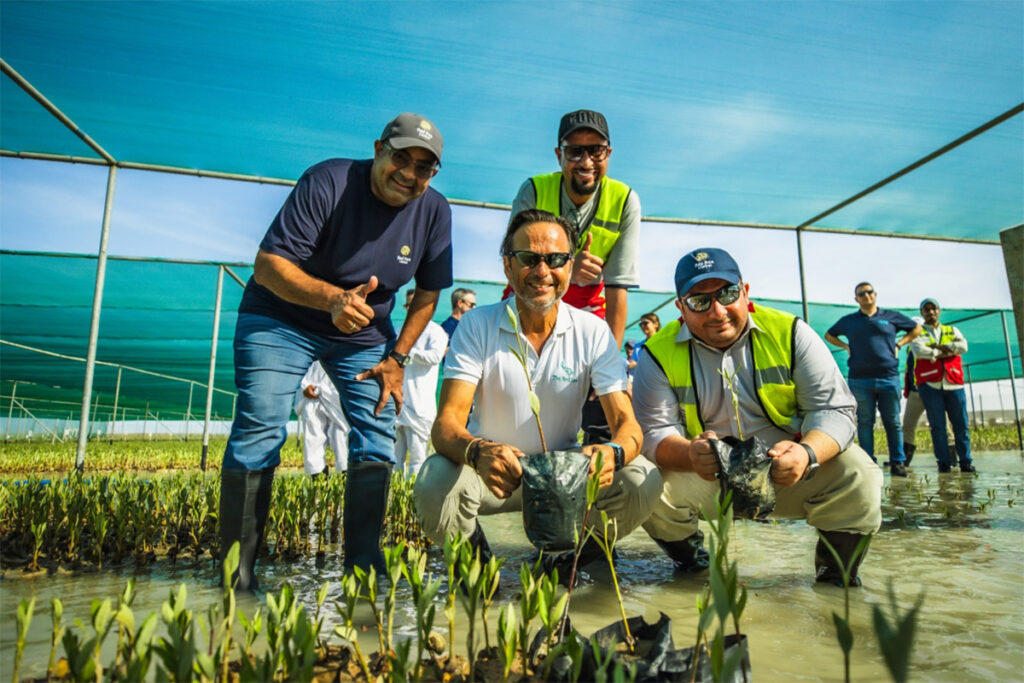
Regeneration means restoring and protecting Al-Waqadi Island, a critical nesting ground for endangered hawksbill turtles. It means planting 50 million mangroves, which sequester more carbon than rainforests. It means pioneering floating coral nurseries, with survival rates over 95%. It also means going fully off-grid, and building one of the world’s largest battery storage systems.
“Sustainability maintains the status quo. Regeneration dares to make things better.”
John Pagano, CEO, Red Sea Global
But regeneration isn’t just environmental — it’s also social. “When I joined, we were 15 people. Now we’re over 10,000,” Pagano says. “The pride I see on the faces of our Saudi staff when they welcome guests — that’s when I know we’ve done something right.”
From a local contractor’s two sons who now study hospitality, to vocational programs guaranteeing jobs to every graduate, Red Sea Global is nurturing talent as deeply as it restores ecosystems. Its elite graduate process selects future leaders from tens of thousands of applicants each year, placing them in immersive rotations to discover where they thrive. Retention is over 90%.
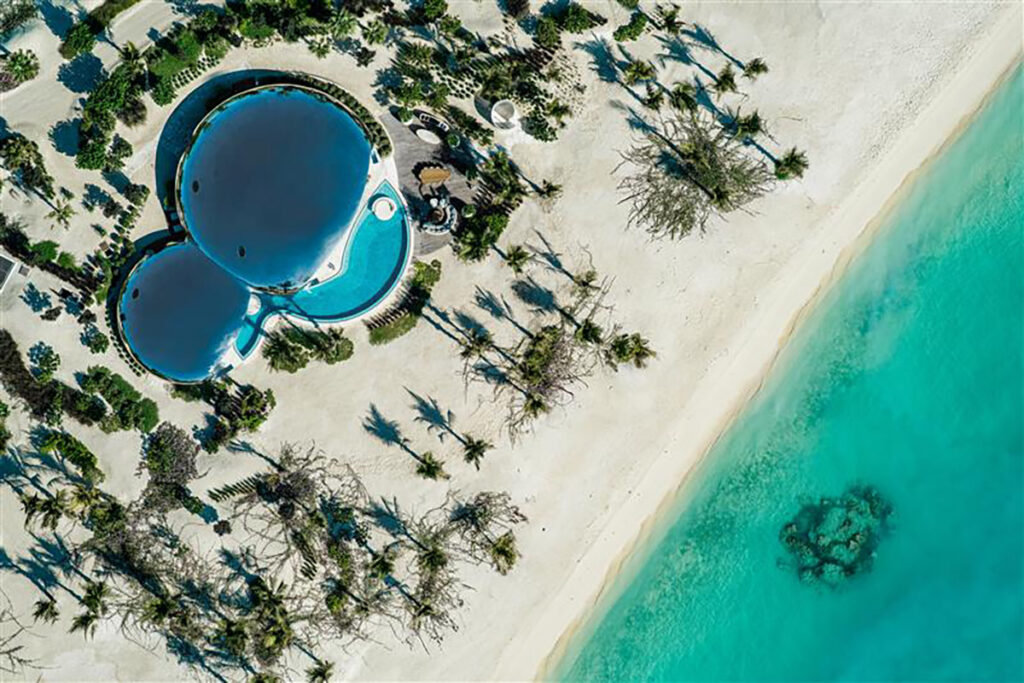
Behind the scenes, solar-powered logistics hum, biodiesel trucks glide quietly, and every operational detail is engineered for low-impact precision. Guest numbers at Red Sea Global’s resorts are limited, not for exclusivity, but for ecological balance. And each visitor has the chance to witness coral being regenerated and mangrove saplings taking root. The resorts reflect the landscapes they inhabit. At Desert Rock Resort, carved into ancient cliffs, nature dictated the design — resulting in a cinematic destination that is almost alien in its beauty. At Shebara, on Sheybarah Island, futuristic overwater villas float above luminous reefs, forming a dreamlike encounter between architecture and the sea. Both resorts feel as if they belong not to this era, but to a carefully imagined utopia where nature leads, and design listens.
Investors are no longer skeptical. “We didn’t overhype,” Pagano says. “We delivered.”With 19 new resorts approaching completion, and several second-home communities recently launched, Red Sea Global is just getting started. For Pagano, the magic lies in moments of quiet transformation. “I walk the shoreline at first light and see architecture rising from silence,” he says. “There’s nothing more powerful.” A decade ago, this was a desert. Now it’s a blueprint — not for tourism as it was, but for what tourism must become.
As published in FORTUNE magazine