


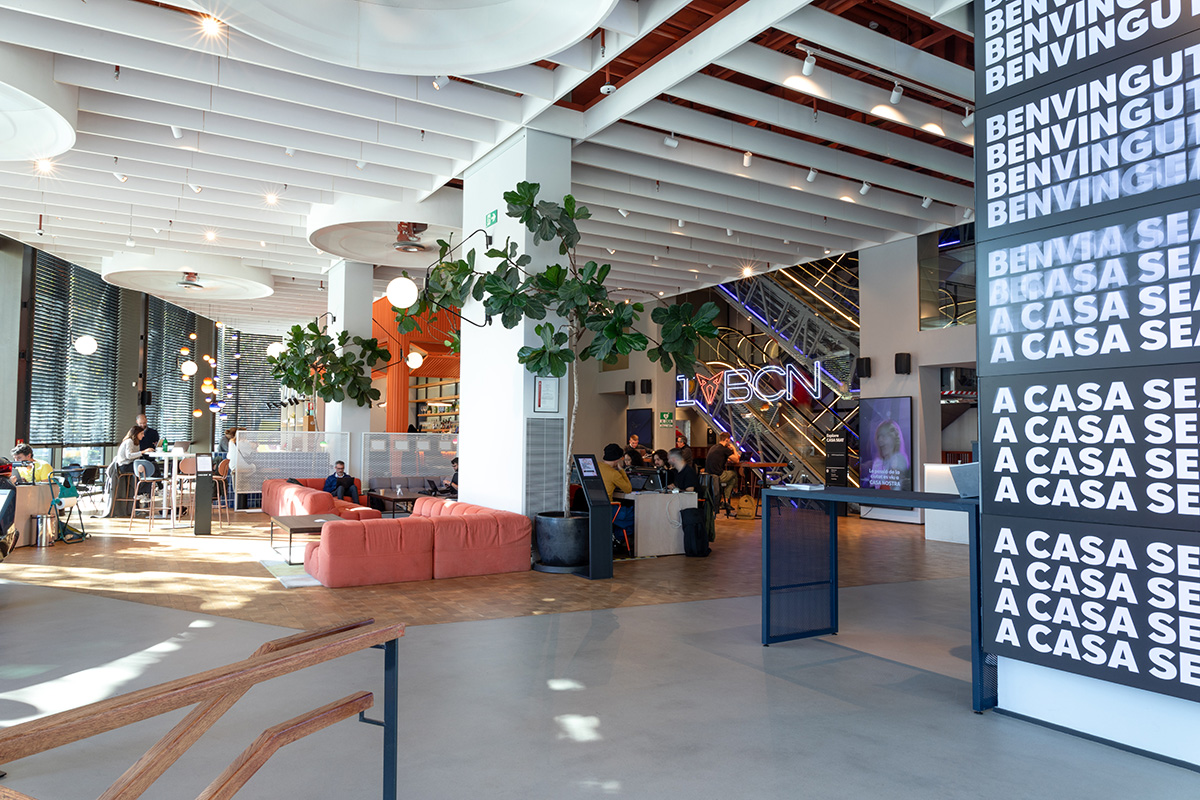
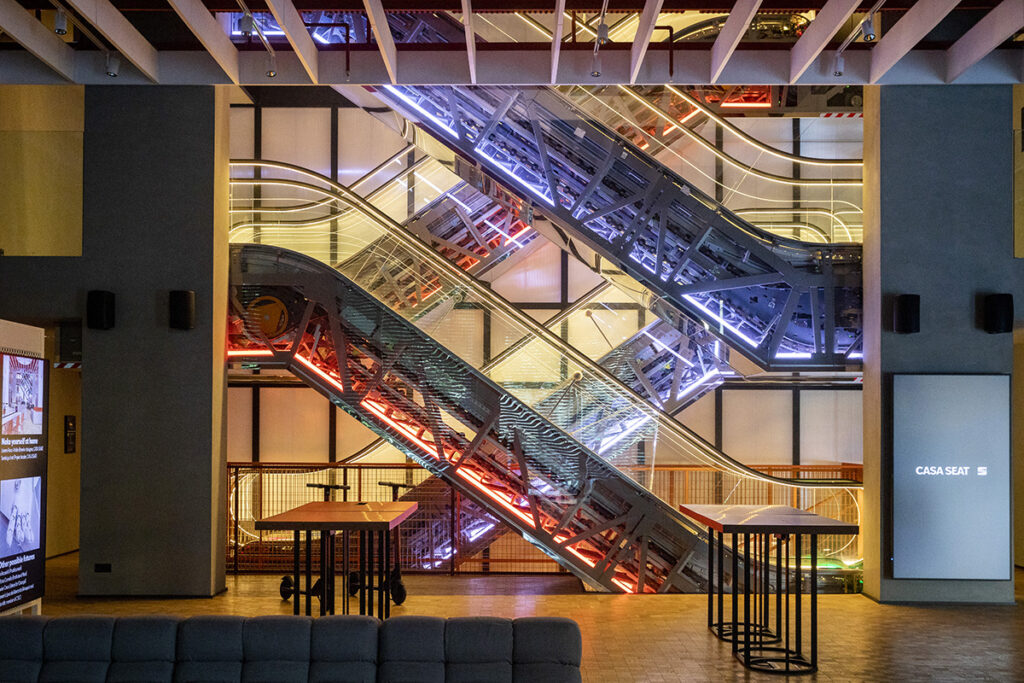
At Passeig de Gràcia and Diagonal—Barcelona’s most iconic crossroads—a carmaker tore up the rulebook. Five years ago, local automaker SEAT/CUPRA opened CASA SEAT, conceived as a venue to buy or test drive a CUPRA or SEAT—but also much more. Neither a showroom nor a marketing stunt, CASA SEAT is a cultural phenomenon woven into Barcelona’s fabric. The question was whether a company known for cars could create a space that felt genuinely Barcelona. Five years later, the answer is clear. New independent research confirms it is now the city’s top-ranked cultural space, claimed by Barcelona as its own.
Over a million people have come through its doors, and they don’t find products uneasily paired with art or concerts amounting to thinly veiled branding. CASA SEAT is radical precisely for what it leaves out: the hard sell. Instead, it gives the city a platform where mobility is one idea among many, blending seamlessly with cinema, design, gastronomy, and soccer.
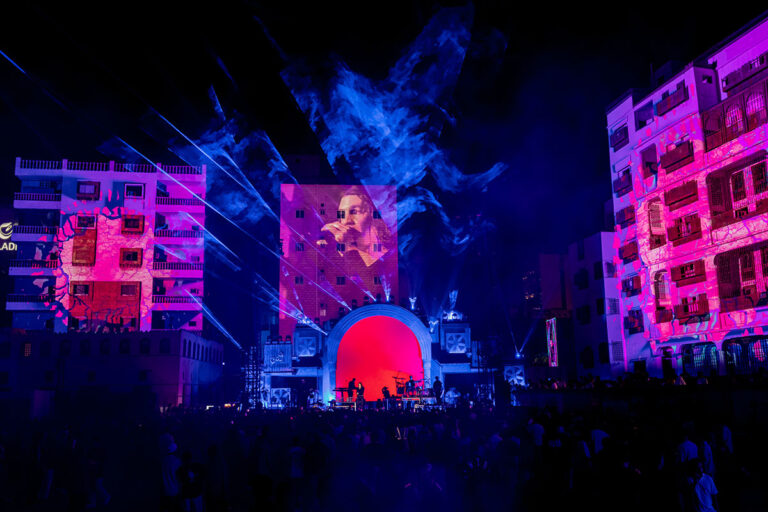
Step inside and the vibe shifts constantly. One week the auditorium might be hosting artists Aitana, Tyga or Bad Gyal in stripped-back concerts that feel almost secret. Another week CUPRA ambassador Hansi Flick appears, or international guests like Tom Holland and David Walliams drop by, while young entrepreneurs debate the shape of tomorrow’s Barcelona. The energy is youthful, diverse, addictive. Visitors are treated not as consumers but as co-conspirators in a cultural experiment. That same spirit extends to mobility, with CASA SEAT hosting Electric Saturdays, VIP delivery experiences, and hands-on driving sessions that demystify EVs and place the city at the center of Spain’s electrification.
“The last two years have seen us double our impact, with record growth and recognition as Barcelona’s leading cultural hub.”
Cristina Vall-Llosada, managing director, CASA SEAT & CUPRA City Garage Madrid
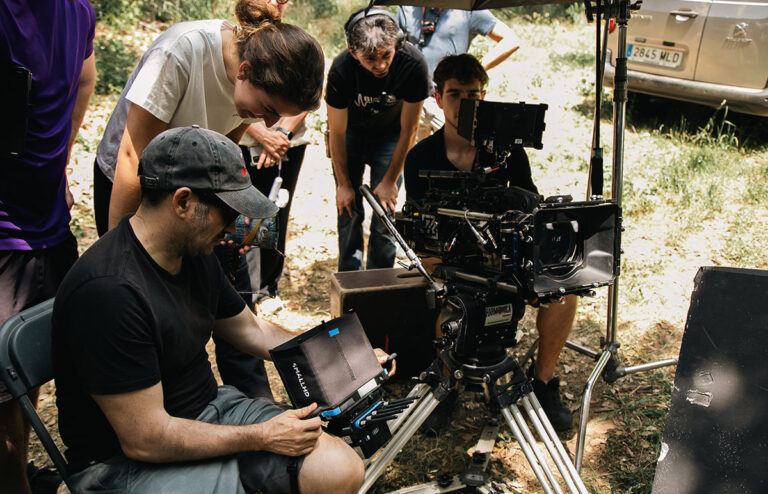
This summer, Barcelona-based brothers Carlos and Jordi Grangel, known for their design work at Grangel Studio on The Corpse Bride, Kung Fu Panda, and Guillermo del Toro’s Oscar-winning Pinocchio, brought their Hollywood magic home.
Each December the Magic Days reinvent the space as a festive wonderland. Last Christmas world-renowned pastry chef Jordi Roca transformed the venue into a feast of lights and flavors that drew 116,000 visitors, one of Barcelona’s top holiday experiences. It returns this winter, promising to once again bend tradition into something unforgettable.
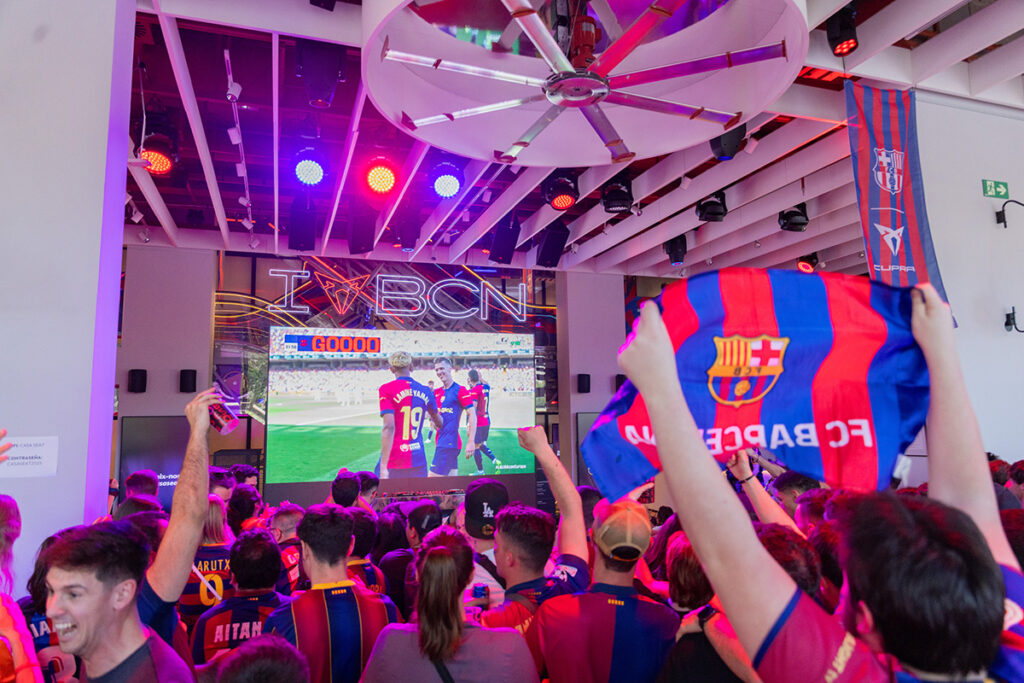
And then came the professional soccer team Barça. To mark the club’s 125th anniversary, CASA SEAT opened its doors to treasures from home stadium Camp Nou: Johan Cruyff’s boots and the ball from Leo Messi’s strike in Santander that sealed Barça’s 5,000th Liga goal. Then the space transformed into a fan zone where El Clásico, the match between FC Barcelona and Real Madrid, unfolded live. “For the first time, Barça’s soul left the stadium and entered the city,” said Jordi Penas, director of the FC Barcelona Museum.
And it isn’t only culture that gets rewritten here. When presidents, ministers, and regional leaders chose CASA SEAT as the stage to sign a declaration on Spain’s electric future, it signalled the venue was more than a playground, but a nerve center where politics, industry, and mobility converge.
Five years in, CASA SEAT has proved that an automaker can create more than machines. It can create culture. It can rewire the way a city experiences itself. What began as an experiment is now part of Barcelona’s identity—utterly cool, disruptive, and impossible to ignore. Barcelona is its stage, its audience, and its home.
As published in TIME magazine