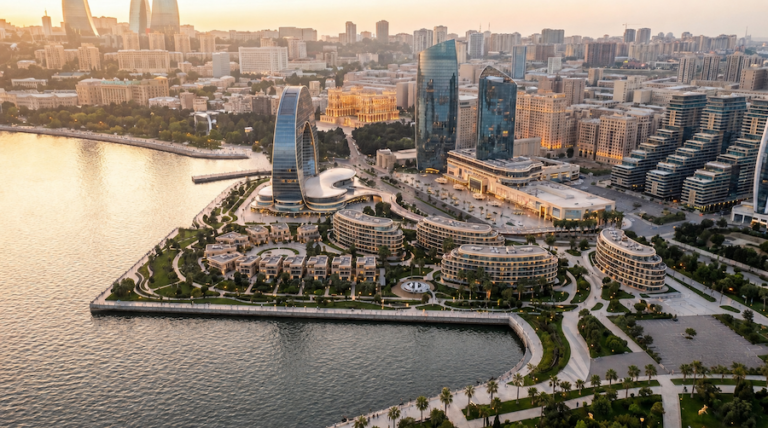




As Azerbaijan moves towards membership of the Digital Cooperation Organization, Baku is positioning technology, innovation and digital connectivity at the heart of its next economic chapter.
For decades, Azerbaijan’s strategic importance has been easy to map. Sitting between Europe and Asia, with the Caspian Sea to the east and the Caucasus at its back, the country has built its economic influence around energy, trade and geography. Increasingly, however, Baku wants another sector added to that list: technology.
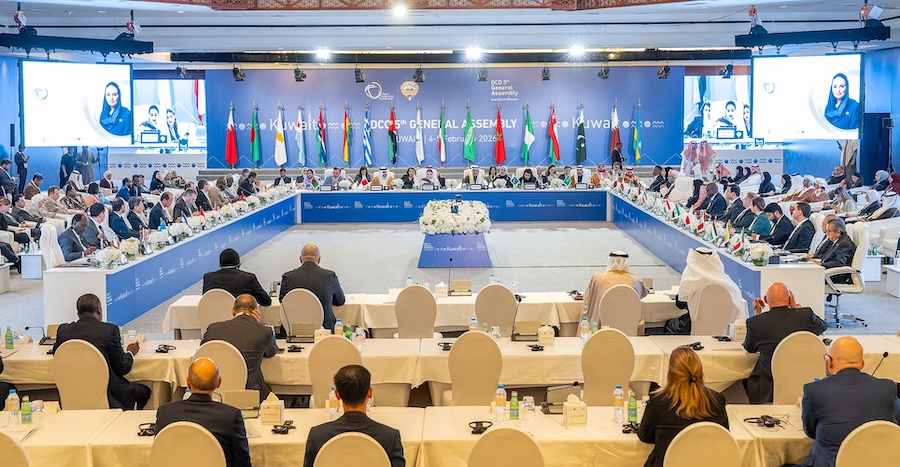
That ambition took another step forward this month when Azerbaijan signed the Charter of the Digital Cooperation Organization (DCO), beginning its path towards full membership. Founded in 2020, the DCO is an intergovernmental organisation focused exclusively on the digital economy, bringing countries together to accelerate digital growth, encourage cross-border investment and innovation, and give emerging economies a stronger role in shaping an increasingly connected world.
Its 16 existing member states represent more than 800 million people and almost $3.5 trillion in combined GDP. Following the approval of a new group of candidate countries, including Azerbaijan, that network is set to expand significantly.
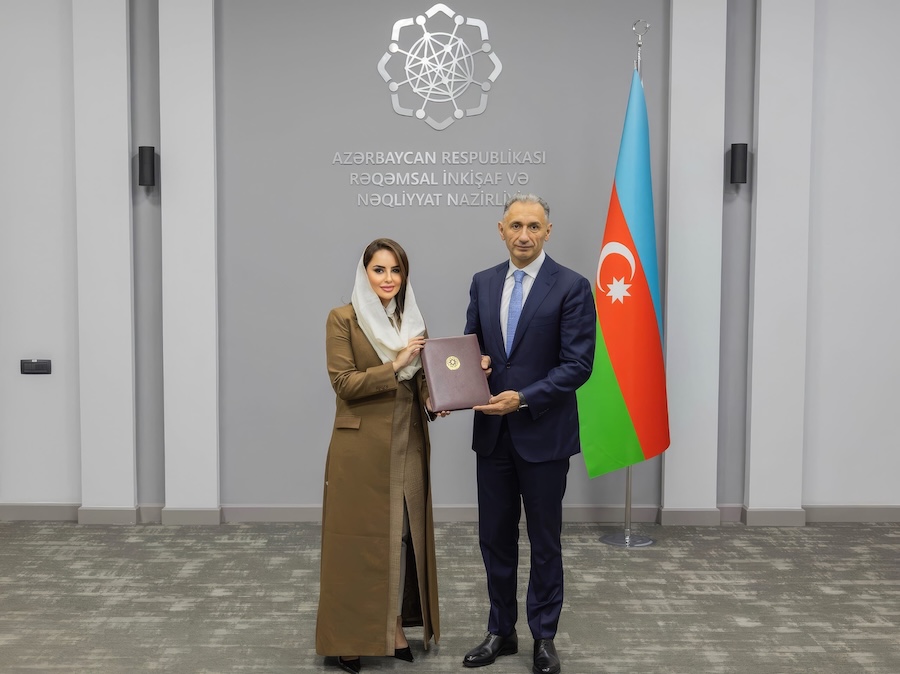
For Baku, membership is about more than joining another international organisation. It connects Azerbaijan with a wider network of governments, investors, entrepreneurs and technology leaders working across artificial intelligence, digital government, cybersecurity, connectivity and innovation. It also gives international reach to a transformation already underway at home.
Azerbaijan has spent recent years investing in digital infrastructure, public services and a technology ecosystem designed not simply to serve its domestic market, but to produce companies and expertise capable of travelling beyond it. Its target of reaching $1 billion in ICT exports by 2030 is an indication of how seriously the country views the sector as part of its next phase of economic development.
“Azerbaijan brings to our community strong digital foundations and a clear ambition: a globally competitive ICT export economy.”
Deemah AlYahya, Secretary-General, Digital Cooperation Organization
“Azerbaijan is advancing a comprehensive digitalization reform agenda designed to create one of the region’s most attractive environments for developing, scaling, and exporting technology to global markets,” said Rashad Nabiyev, Minister of Digital Development and Transport, highlighting artificial intelligence, cybersecurity and innovation among the country’s priorities.
The geography helps. Azerbaijan occupies an increasingly interesting position along the commercial and digital corridors connecting Central Asia, the Caucasus, the Middle East and Europe. As businesses look for new markets, data routes and technology partnerships across these regions, that location has the potential to become as valuable to Azerbaijan’s digital economy as it has long been to its physical one.
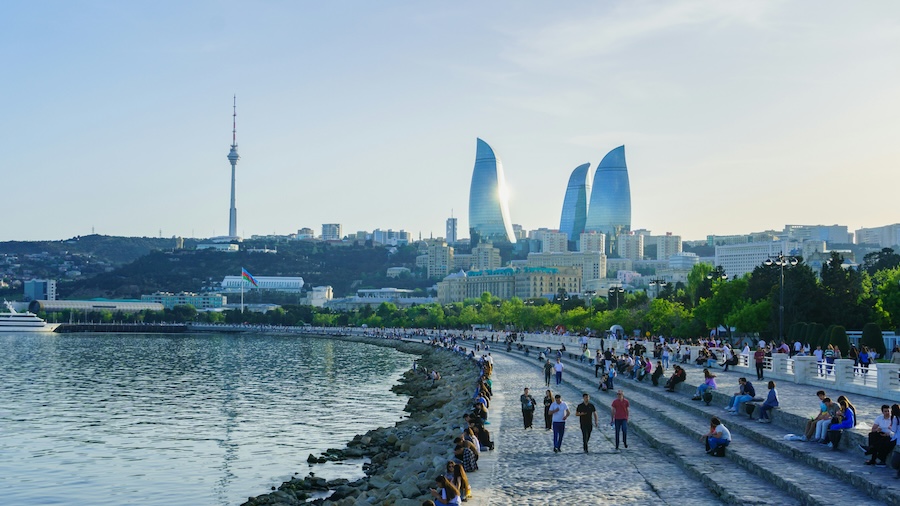
The significance of the DCO agreement, then, extends beyond the signing of a charter. Azerbaijan is using the industries and infrastructure that created its prosperity as a foundation for something broader: an economy in which technology, talent and innovation play a much larger role.
With its strategic location, growing digital capabilities and increasingly international outlook, Azerbaijan is becoming an important technology and innovation hub connecting markets across Europe, Central Asia and the wider region. DCO membership could help accelerate that ambition, giving the country new partnerships, new markets and a stronger voice in the global digital economy.