




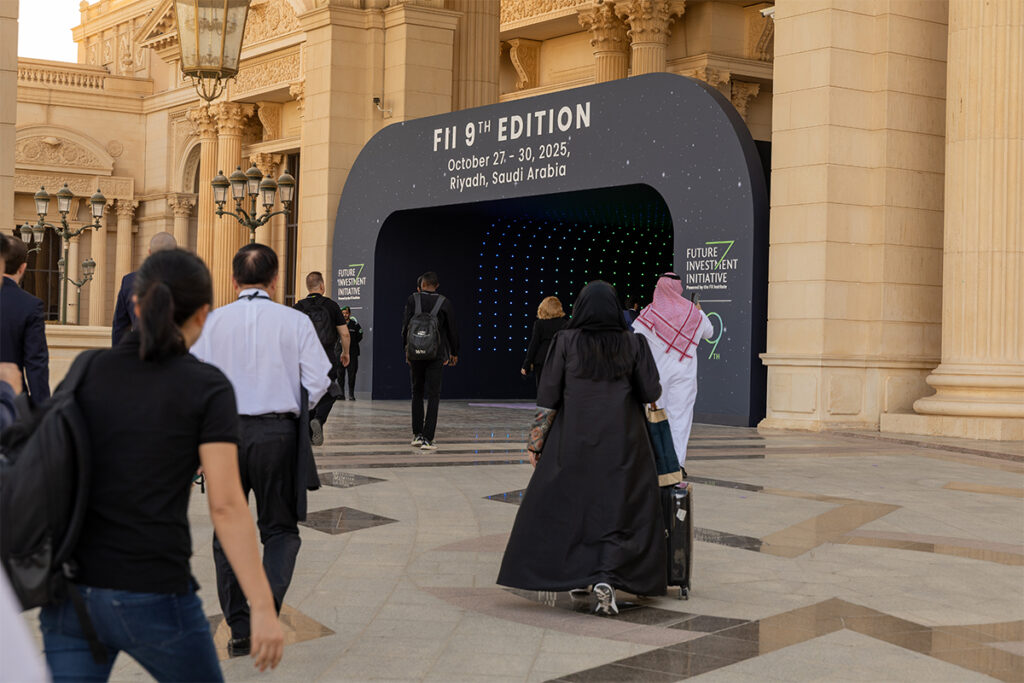
The sands of Riyadh were warm, but the atmosphere inside the grand hall of FII9, the annual gathering hosted by the Future Investment Initiative (FII) Institute, felt hotter. Headquartered in Riyadh, the FII Institute is a global nonprofit foundation with a mission to create impact on humanity through advances in artificial intelligence, sustainability, education and healthcare. And at this year’s edition, it wasn’t oil or capital flows commanding attention, it was AI. Amid the usual flutter of private jets and sovereign wealth fund swagger, something subtle but seismic was afoot. A new narrative in artificial intelligence was being forged, one directed south.
Behind the scenes of every panel and keynote lay a piece of fresh research: the newly revealed report Rebalancing Intelligence: How the Next Wave of AI Investment is Set to Flow South, created in collaboration between FII Institute and Accenture. The headline figures landed like thunder. Between now and two years hence, 87 percent of global investors intend to increase AI investments in the so-called Global South. Meanwhile, despite more than 23,000 AI startups operating south of the equator, the region has received just around 12.1 billion dollars in AI funding versus 108.3 billion in the North.
This is more than statistics and slide decks. At FII9, AI dominated the conversation, with one third of all panels and speaker slots focused on it. Chip executives, sovereign fund heads and venture partners all exchanged notes on the new frontier. It was clear that the locus of AI momentum is shifting. And the institute’s new initiative, AI Inclusive, stood at the centre of that repositioning.
“We must ensure this wave lifts all boats. Bridging the AI investment divide is an economic opportunity and a moral imperative.”
Richard Attias, CEO, FII Institute
Launched this year, AI Inclusive casts the question differently: not just what AI can do, but who it should include, and how to build around under-resourced regions. Its mission is to mobilize investment, support startups and deploy governance tools tailored for emerging markets. The message is crisp. If AI becomes the new infrastructure of global wealth, then the Global South must be more than a data lab for the rich North; it must become its engine. As Richard Attias, CEO of the FII Institute, put it during the launch, “We must ensure this wave lifts all boats. Bridging the AI investment divide is an economic opportunity and a moral imperative.”
What makes this more than talk is the data. According to the report, investors say the pull factors are real: competitive talent bases, lower energy and compute costs, and improving infrastructure all counted. Add growing domestic demand in regions like India, Southeast Asia and the Middle East, and you have the ingredients of what could be the next innovation wave. The report even projects that generative AI alone could unlock 10.3 trillion dollars in new economic value by 2038.
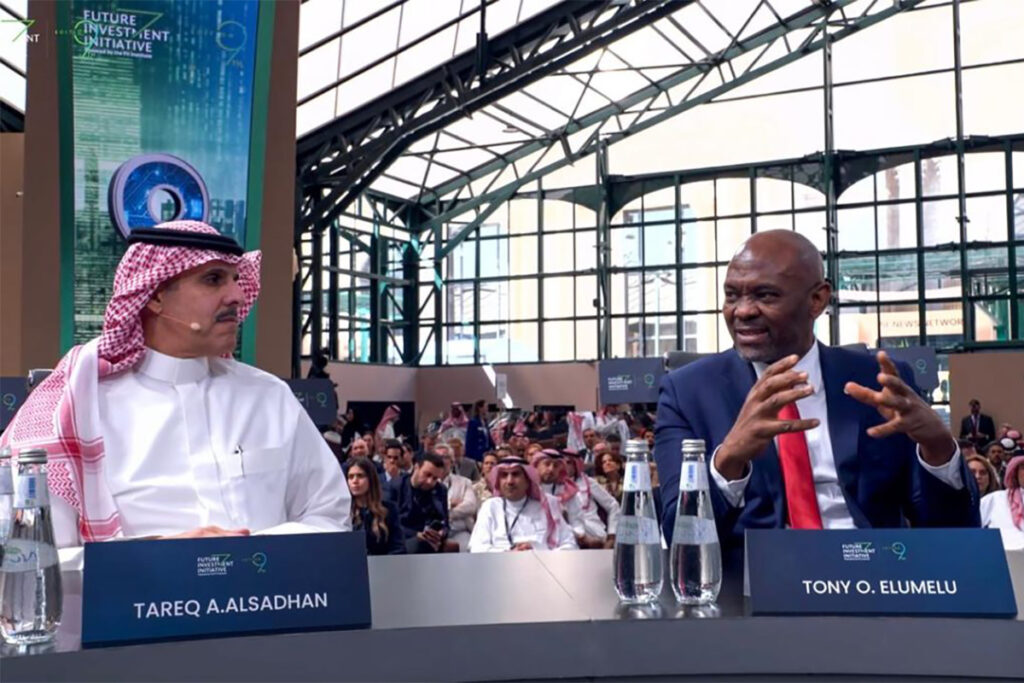
Yet the gap remains jarring. Just nine AI unicorns exist in the Global South compared to 305 in the Global North. Investors cite key barriers such as lack of proven business models, talent gaps, weaker ecosystems and, critically, foundational infrastructure. Most startups in the South are playing at the application layer while the heavy lifting — data centres, compute clusters, scalable cloud platforms — remains missing.
At FII9 the mood was electric. One session featured regional ministers, startup founders and investment chiefs dissecting how places like Riyadh, Nairobi, Lagos and Delhi can become not just recipients but co-creators of AI infrastructure and capability. In that sense, the AI Inclusive initiative wasn’t just symbolic, it was being modelled as a platform of action. The institute describes AI Inclusive as a global pledge for responsible, inclusive AI deployment in emerging markets involving private sector investors, technology firms and governments.
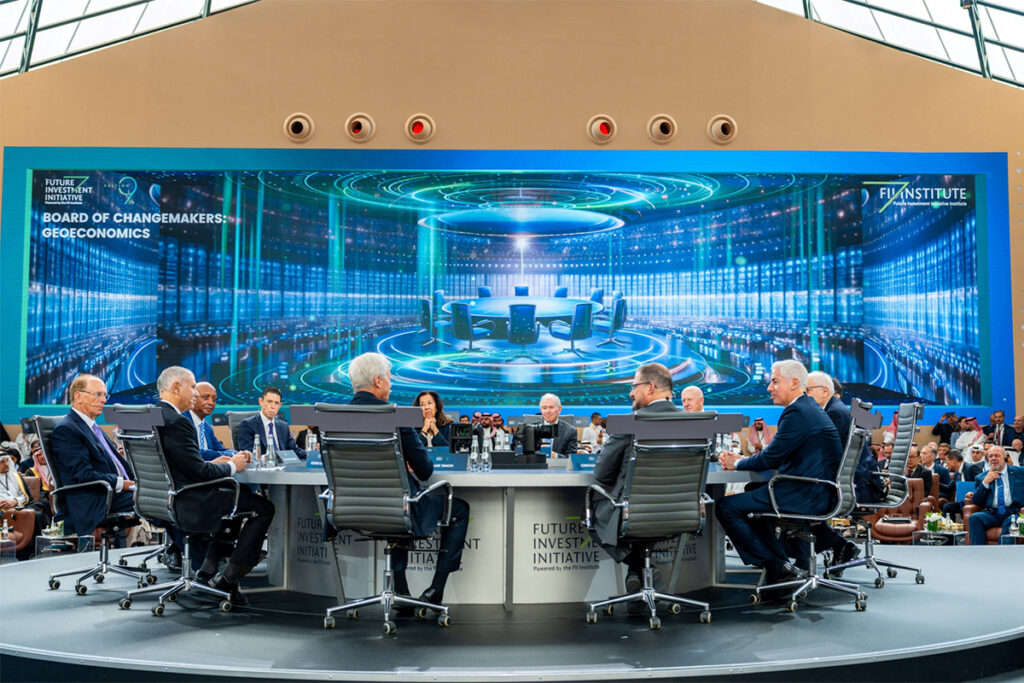
The implications are vast. For European investors or corporates used to backing ideas in Palo Alto or London, what once looked exotic — African, Southeast Asian, Middle Eastern AI ecosystems — now seem urgent and strategic. For emerging market governments the message is clear: if you build the right signals, talent programs, compute-friendly energy and regulatory clarity, capital will flow. For startup founders, the window is opening. This is not just another accelerator pitch day, but potentially the start of a tectonic shift in where the next billion-dollar AI plays will come from.
Of course, scepticism remains. Can this really shift the entrenched dominance of the North? Will capital actually deploy at scale, or will this remain optics at a global conference? The answer hinges on execution: building ecosystems, talent pipelines, governance frameworks and sustainable business models. The AI Inclusive narrative is only as strong as the first cohort of investments that yield returns.
But if FII9 is any guide, this may be the moment when AI finally becomes truly global, when the intelligence revolution stops being a story of the few and starts being written by the many, with Riyadh at its centre.