




What if America’s most unexpected innovation hub wasn’t on the coasts—but at the mouth of the Mississippi?
At the Paris Air Show, in a sea of familiar narratives, Louisiana’s message landed differently. No theatrics. No exaggerated claims. Just a clear case, confidently delivered by Susan Bourgeois, the state’s Secretary of Economic Development. Her pitch wasn’t about reinvention. It was about revelation.
“We’ve been number one in foreign direct investment per capita since 2008,” notes Bourgeois, not for effect, but as a reminder that Louisiana has never been waiting for permission to lead.
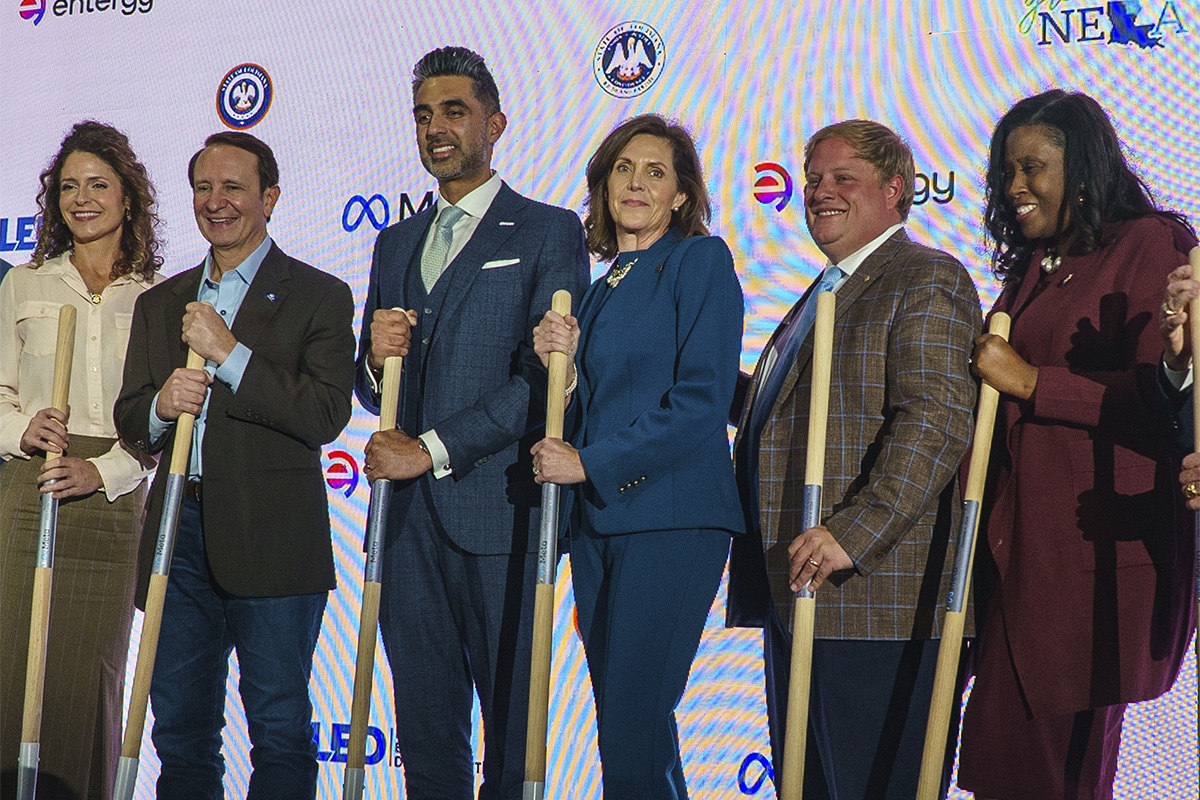
This is not a state asking to be noticed. It’s a state that’s already doing the work: $10.2 billion in new payroll since Governor Jeff Landry took office, and a pipeline of projects that includes Meta’s largest global AI data center and Hyundai’s first U.S.-based green steel plant. Not anecdotes—signals of momentum.
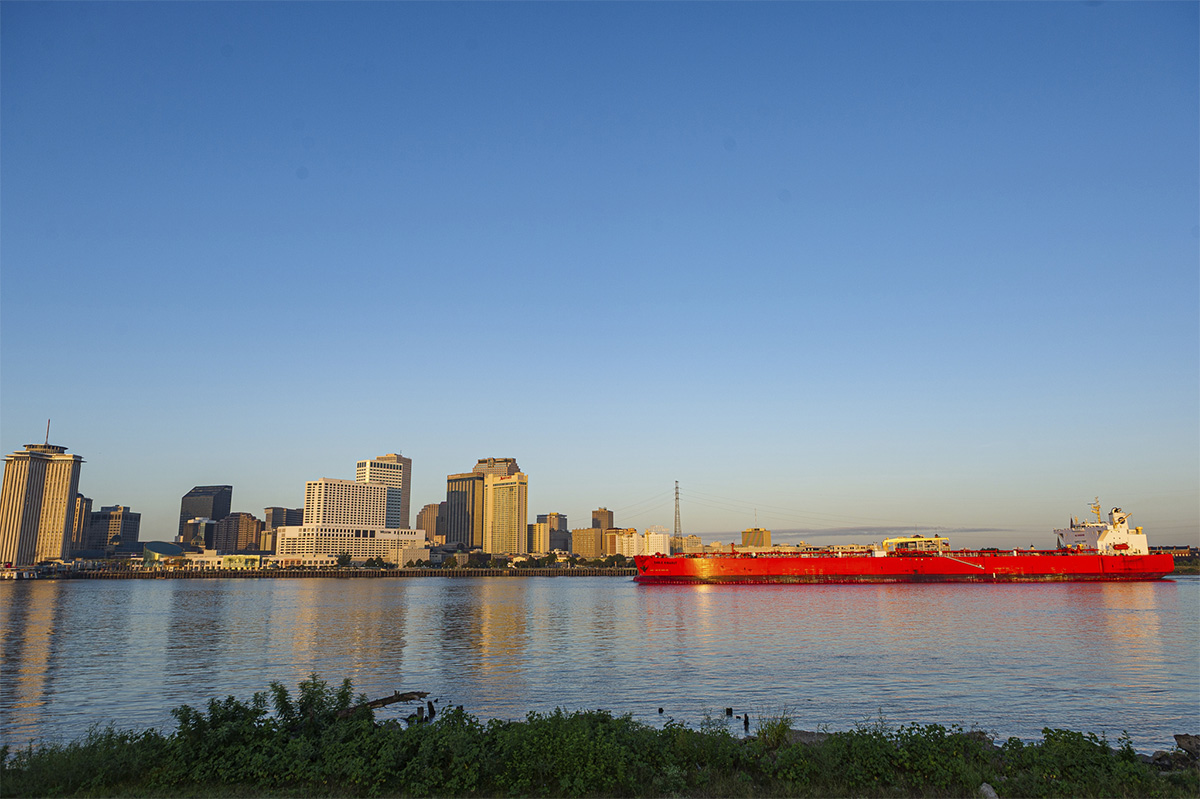
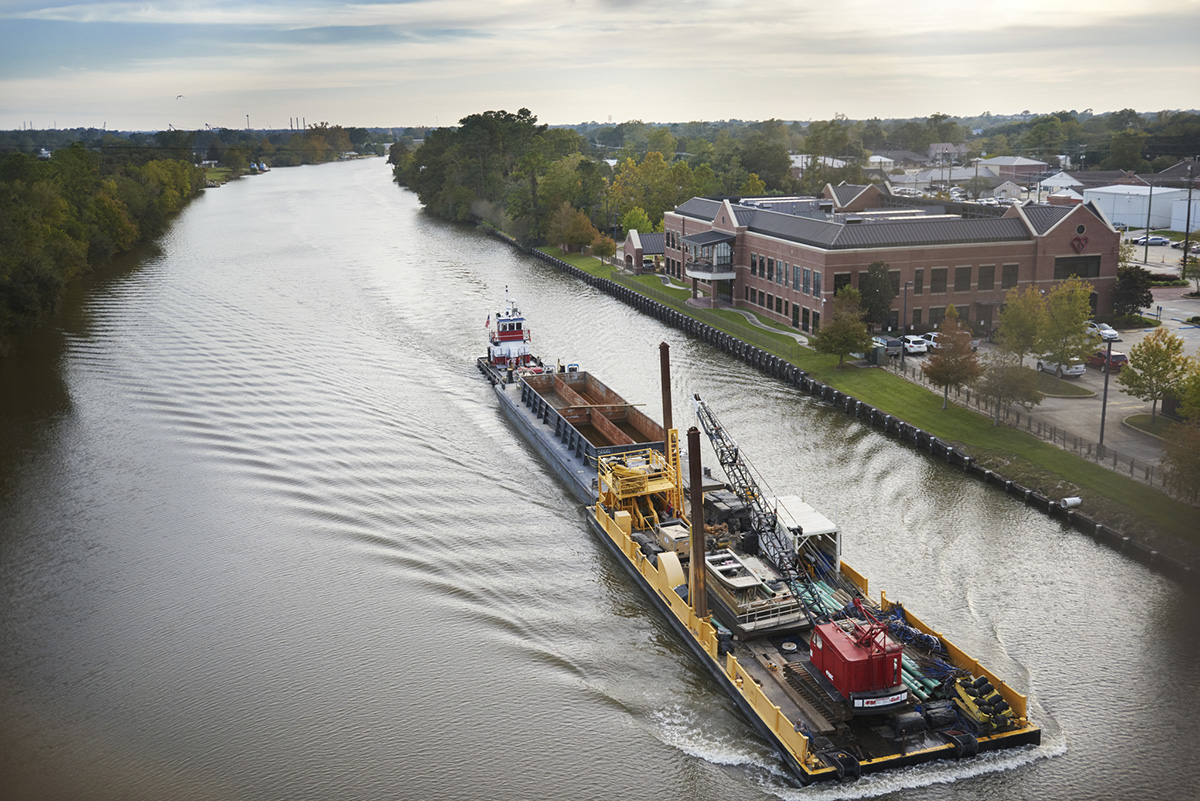
The starting point is geography. Louisiana sits at the base of a logistics funnel that channels 32 U.S. states and two Canadian provinces through its ports. The Mississippi River, the Gulf of Mexico, six Class-I railroads, and a power grid with surplus capacity aren’t trivia points. They’re part of the operating system.
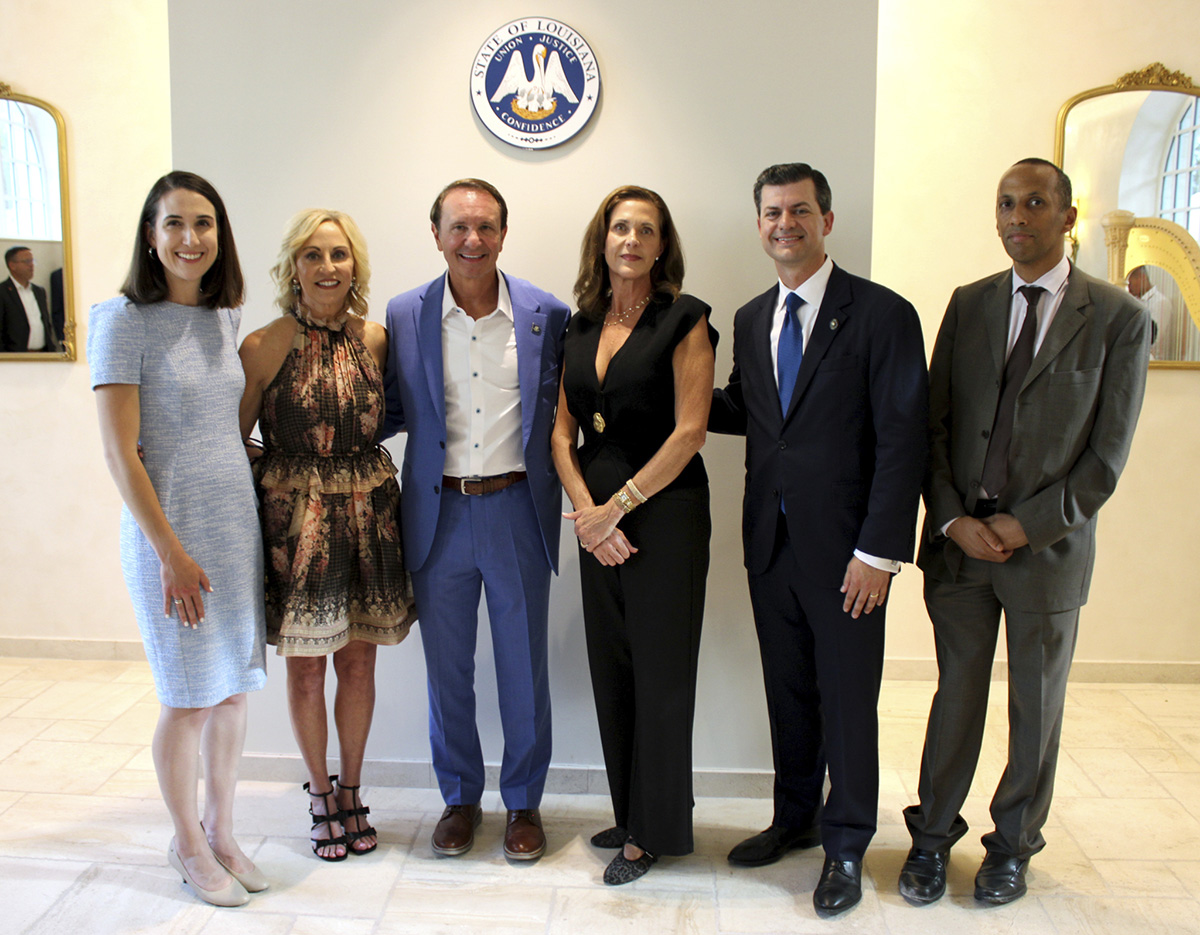
First Lady Sharon Landry, Governor Jeff Landry, Susan B. Bourgeois, Secretary, Louisiana Economic Development, Jeremy Stine, Louisiana State Senate, Honorable Rodolphe Sambou, Consul General of the French Republic
What matters more, though, is how those assets are being deployed. The state isn’t chasing headlines. It’s aligning capital, infrastructure, and workforce in deliberate sequence. Incentives are performance-based. Sites are certified. FastStart, LED’s workforce training engine, ensures companies don’t just hire—they hire people ready to deliver on day one.
But the real hook isn’t just infrastructure or policy. It’s cultural. Bourgeois puts it plainly: Louisiana’s edge is its people. Multi-generational engineers, welders, and builders. A workforce shaped by the oil fields and shipyards, now applying the same capability to aerospace, biotech, and advanced manufacturing.
“The companies that come here tell us the same thing: it’s the work ethic. People show up early. They stay late. They take pride in doing the job well.”
This approach extends into energy, where Louisiana refuses to pick a side. Traditional hydrocarbons and emerging renewables coexist, not as rivals, but as parallel growth strategies. The state’s deep experience in process industries is now being applied to hydrogen, carbon capture, and biofuels. It’s not transition. It’s addition.
And then there’s the decision to make innovation a thread, not a pillar. Instead of carving out innovation as a sector, Louisiana has embedded it across every priority industry. Whether in logistics, life sciences, or agriculture, the expectation is the same: if it can be digitized, optimized, or accelerated, it will be.
It helps that people want to live here. That isn’t a tourism pitch. It’s part of the talent argument. From Baton Rouge to New Orleans to Lafayette, Louisiana offers what a lot of high-growth regions lack: culture, affordability, and a life that doesn’t feel like compromise.
“We’re not telling people they have to choose between opportunity and quality of life. That trade-off doesn’t exist here.”
None of this is accidental. Louisiana’s new economic strategy is explicit about its intent: to increase opportunity, accelerate innovation, and expand capacity. It’s a plan designed to outperform—quietly, precisely, and with long-term credibility.
“Louisiana’s edge is its people”
Susan Bourgeois, Secretary of Economic Development
Which is exactly how Landry and Bourgeois lead. They don’t overpromise. They don’t retreat into safe language. They state the case and let the numbers do the work.
“We’ve told the world we know how to throw a good party. But we’ve also built the systems to deliver on serious investment. Those two things are not mutually exclusive.”
By the end of the conversation, it becomes clear: Louisiana’s story isn’t about trying to be the next anything. It’s about doing what it does best—and making that impossible to ignore.
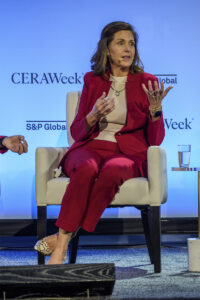
Q&A with Susan Bourgeois, Secretary of Louisiana Economic Development
Louisiana is clearly making moves in energy. What’s the broader vision?
Since day one Governor Landry has made one thing certain, we’re not abandoning one thing for another. We still have our traditional strength in oil and gas, but we’re building just as aggressively in hydrogen, renewables, and carbon capture. We call it an all-of-the-above strategy, but really, it’s more about addition than transition.
Tech seems to show up in almost every conversation. Why?
Because it’s not a standalone sector for us. It’s foundational. Whether you’re in agribusiness, logistics, or defense, tech is what makes you faster, smarter, and more competitive.
Talent is the pressure point everywhere. What makes your model different?
FastStart is a differentiator—we can promise companies fully trained employees on day one. But it’s also this whole-of-government approach that the Governor has instilled to create seamless collaboration across agencies. Education, workforce, and industry are aligned. That’s where the real edge comes in.
Louisiana still carries a cultural stereotype. Does that frustrate you?
Not at all. In fact, we lean into it. People come here expecting charm, culture, music. And they find all that—plus a serious business environment. That contrast works in our favor.
What’s been your proudest moment so far?
“When you hear a CEO say, ‘We chose Louisiana because your team was sharper, faster, and more responsive than anyone else’ – that’s everything. That means the strategy is working.”
And what keeps you personally motivated?
It’s simple: real jobs, real paychecks, real people building better lives. That’s what economic development should be about.