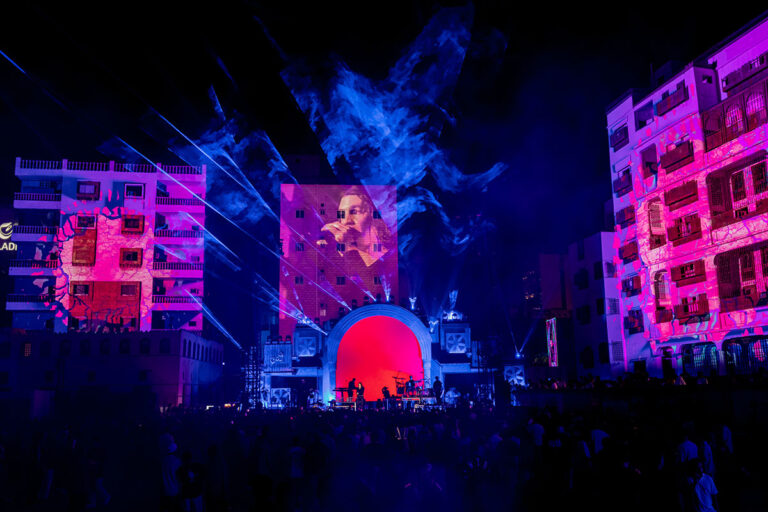


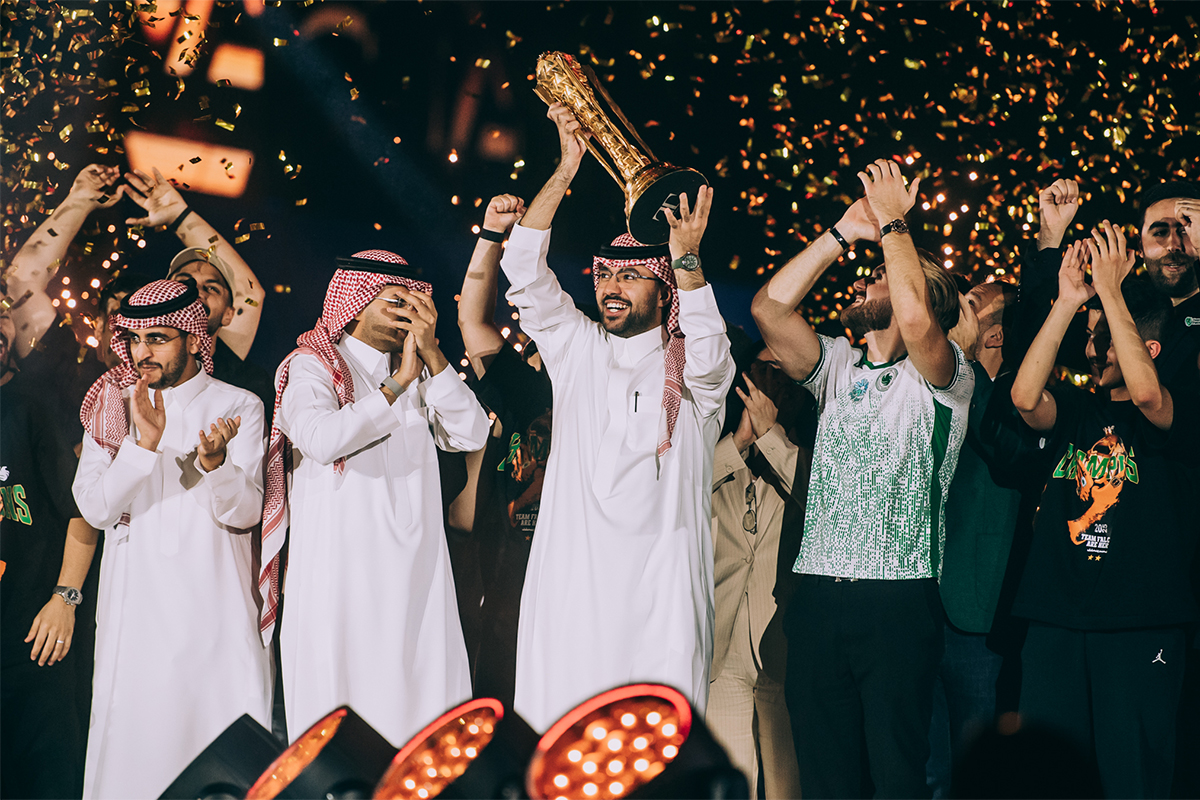
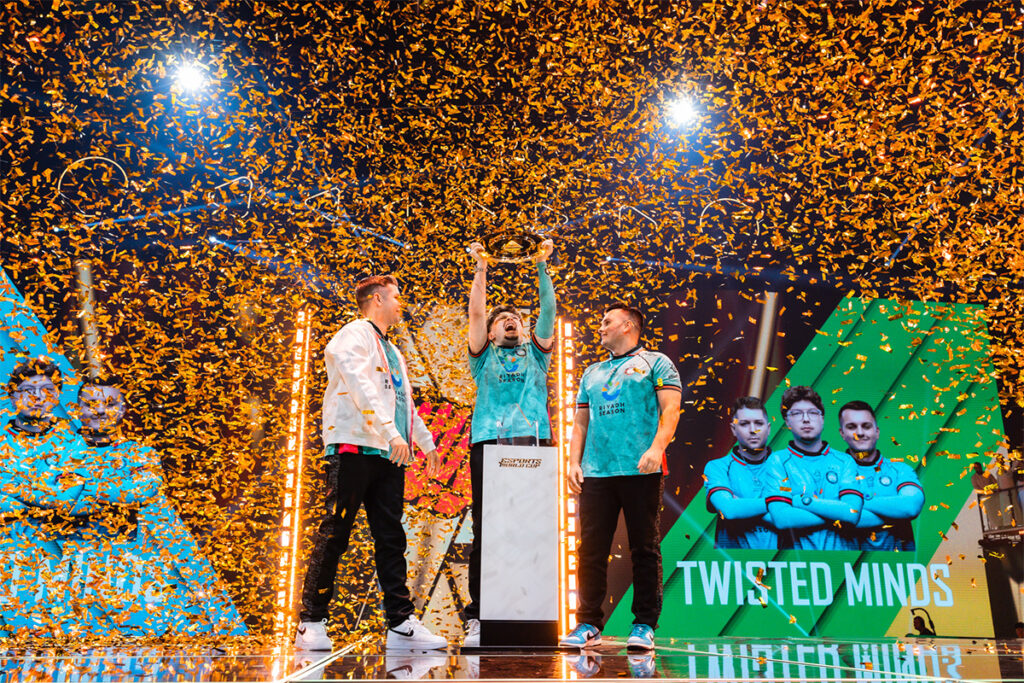
You could feel the switch flip this summer. The Esports World Cup 2025 in Riyadh wasn’t just another tournament — it was a seven-week celebration that drew more than three million visitors to Boulevard City and confirmed that gaming has crossed fully into global entertainment. Backed by the Esports World Cup Foundation, the event united two thousand elite players representing more than two hundred clubs from over a hundred countries and turned the Saudi capital into the beating heart of a new industry. With a total prize pool of seventy million dollars, including twenty-seven million distributed across the top twenty-four teams and seven million for the winners, Team Falcons, it became the largest event of its kind anywhere in the world.
Mike McCabe, the foundation’s chief operating officer, puts it simply: “We had time so we were able to really build and make much more connected journeys.” That extra year of preparation turned a schedule into a story. Fans didn’t just watch; they quested through venues, collected rewards, returned on new themed weeks, and found themselves inside an evolving narrative of competition and community.
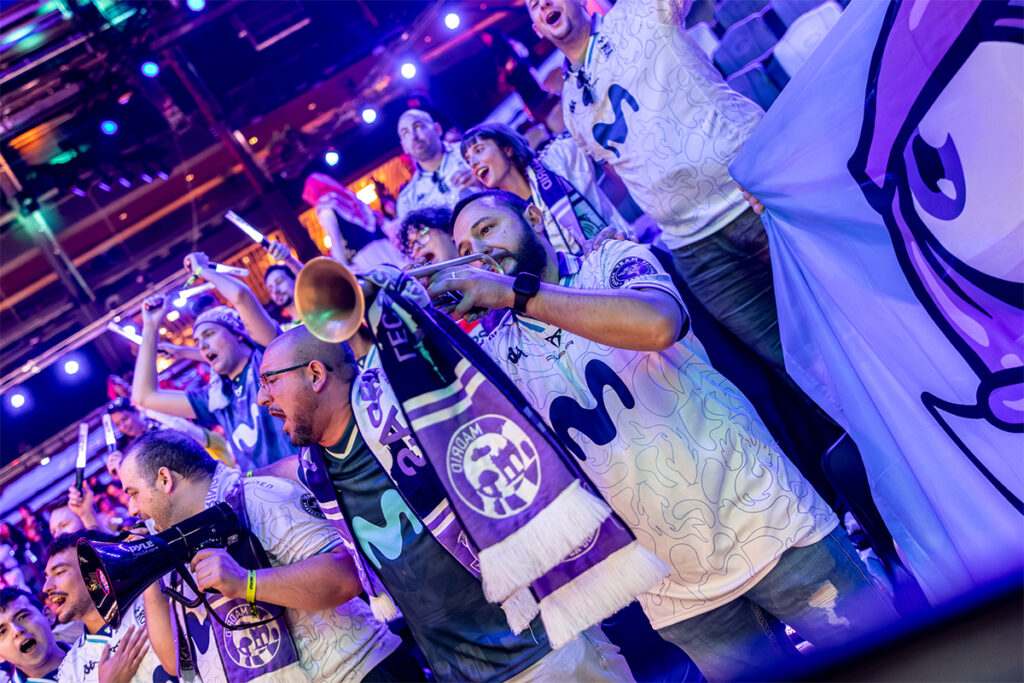
The scale was deliberate. Of the 232 clubs competing, forty were part of the Foundation’s official Club Program, backed by twenty million dollars to build content and pathways. A super-fan programme flew the most devoted supporters to the Kingdom so every match carried atmosphere. “It feels vibrant,” McCabe says. “We had the drums from Brazil and the trumpets from Europe.” The broadcast itself was reimagined as mainstream entertainment. A live show called EWC Spotlight ran four nights a week and featured guests with genuine cultural reach — Tony Hawk, Lando Norris, Nick Kyrgios, Alisha Lehmann — proof that esports was no longer confined to its own echo chamber.
The crossover extended far beyond gaming circles. A five-part documentary produced with Sony and released on Prime Video traced the players’ journeys and revealed what McCabe calls “life-changing prize money.” The partnership with Amazon also bridged technology and storytelling, using the company’s vast ecosystem — from AWS infrastructure to Prime Video distribution to Alexa’s real-time voice updates — to connect fans worldwide. “It’s not a gimmick,” McCabe says. “It’s infrastructure for a new kind of sport.”
There is a larger thesis here that fits directly into the country’s Vision 2030. Saudi Arabia is young, and seventy percent of the population identifies as gamers. That is an enormous reservoir of talent and ambition. The World Cup is the front door to a national gaming and esports strategy that runs from events and club ecosystems to developer capability and athlete training. “What better industry to invest in as a country than the one your population is passionate about,” McCabe says. Tourism is a metric, not an afterthought: the event fills the quieter months of the calendar and builds confidence around flights, visas, and hotels. When a fan becomes a visitor, an event becomes an economy.
“Saudi didn’t follow the future. It decided to host it.”
Mike McCabe, deputy CEO & COO, Esports World Cup Foundation
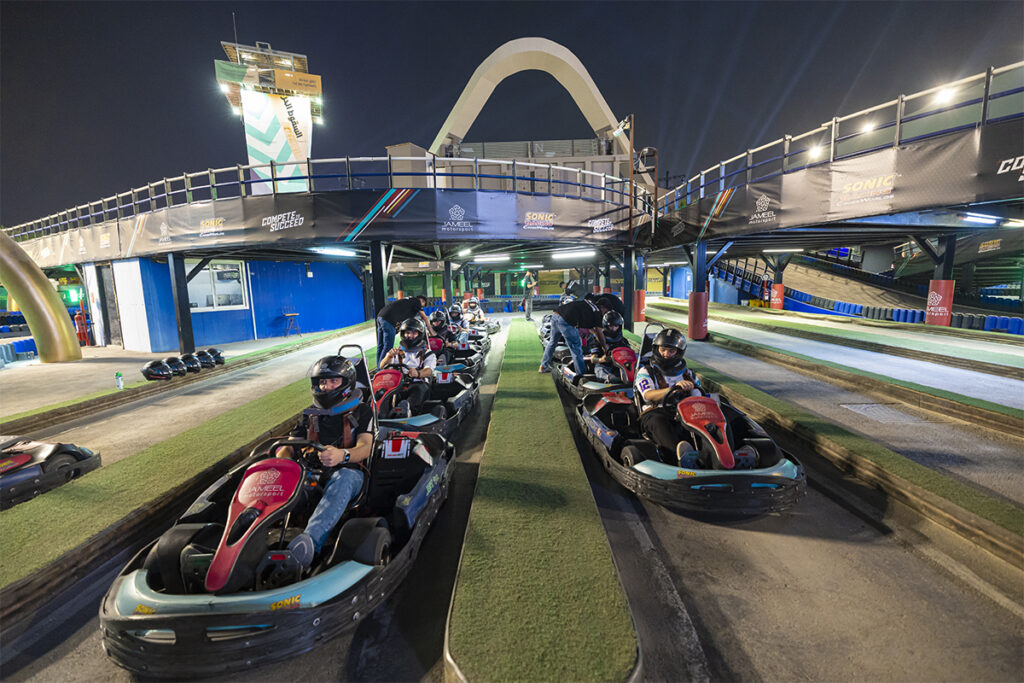
The festival that runs beside the tournaments shows how far this has moved beyond the stereotype of four players at a desk. Four arenas host elite competition, while another eleven venues hold experiences for everyone else. The Aramco Sim Arena with rows of high-end rigs. Play Park, where gameplay demands movement and energy. A creator park where Saudi streamers meet fans, then step onto a stage to compete while a thousand people chant their names. “I don’t speak Arabic,” McCabe says, “but the passion was infectious.” Families walk the grounds, parents pointing out the games they played as kids while their children tug them toward the new ones. At one in the morning you leave with your heart full.
The technology behind the spectacle is formidable. Broadcast stability reached new heights with almost no downtime. Augmented overlays added layers of context. The bigger challenge now is filling the quiet beats between matches — the next frontier for innovation, both digital and physical. Even the rituals are designed to make memories. Winners fit a metal triangle into the magnetic core of the trophy, while the defeated place their keys under a hydraulic press that crushes them into souvenirs of battle. The totem ceremony that follows fills the venue with light and sound, turning results into shared history.
Sustainability is the obsession behind the show. “We’ve gone through that scale moment,” McCabe says. Twenty-four games and twenty-five tournaments will not become fifty. The focus is depth, repeat visitation, and an economy of scale that lets multiple publishers use the same stages and infrastructure. The fantasy platform launched this year brought half a million players across two dozen titles and will be more tightly woven into the tournament next season. There’s a Heroes Club to spotlight winners and a super-fan pipeline that helps clubs grow true communities. The map for 2026 aims squarely at regions where momentum is building: China filling stadiums, India on the cusp of expansion after years of stops and starts, Latin America alive with conversation and club culture.
So ask the obvious question. Is this the moment esports becomes a permanent fixture of global entertainment rather than a recurring headline about prize pools and flashy screens? The answer is in the faces of the crowd and the meticulous details that make an industry real. It’s the seven-week run time, the precision of the broadcast, the balance between showmanship and structure. It’s leadership that talks about well-being in the same breath as data overlays, a reminder that the future of esports depends as much on human connection as it does on technology. It’s a host country using a tournament to accelerate a digital economy. It’s a team of ninety-five people operating with the speed of a start-up and the reach of a global network, supported by ninety-seven broadcast partners and twenty-two global sponsors. “If I’m having a hard day,” McCabe says, “I walk outside, watch the families, and remember that we’re doing something good here.” The rest of us should pay attention. This is not a sideshow. It is the show.