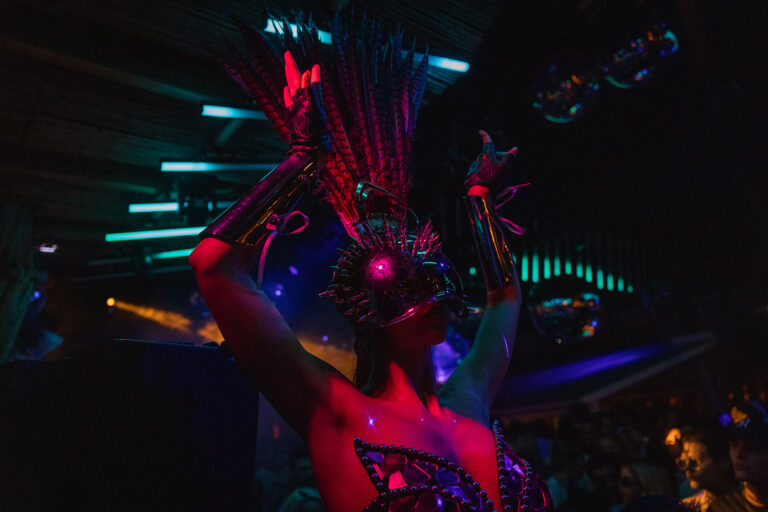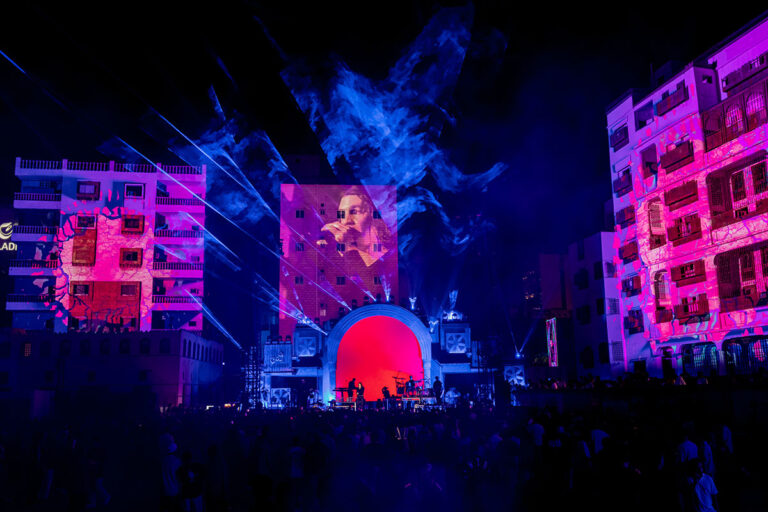


By the time the first bassline rolled across the crowd, it was already obvious that Soundstorm 2025 wasn’t just opening another edition. Something had shifted. Not louder for the sake of it. Not bigger for headlines. But more confident. More coherent. More sure of what it is building.
From the moment the gates opened, the redesigned festival ground felt less like a venue and more like a functioning city that happened to run on music. People didn’t drift aimlessly from stage to stage. They navigated with intent. East for the big emotional surges. West for the club energy and long nights. North for hip hop and smooth rhythms. South for slower, atmospheric sounds. At the centre, Downtown pulsed as the meeting point, the social glue, the place where the storm could be felt from every direction at once.
That sense of flow mattered. It changed how the festival was experienced. Soundstorm has always been defined by scale, but this year scale was matched with clarity. The architecture did some of the work that crowds usually do on their own. Movement felt natural. Transitions felt deliberate. You could chase a mood instead of a timetable. It’s a subtle shift, but an important one, and it signalled a festival that understands its audience not as a mass, but as millions of individual trajectories intersecting for a few nights.
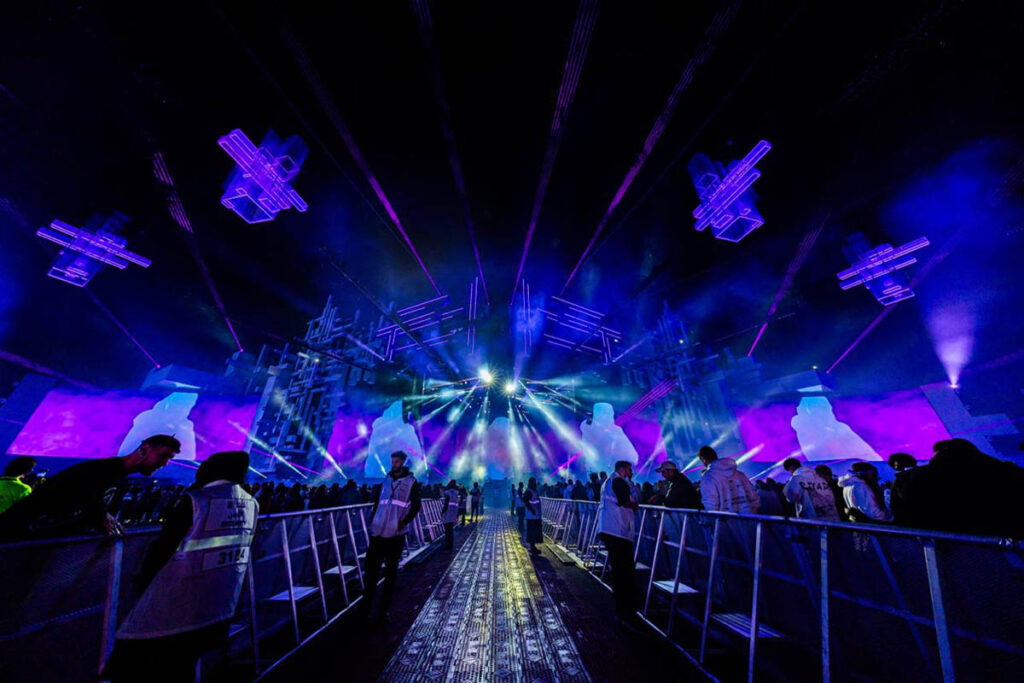
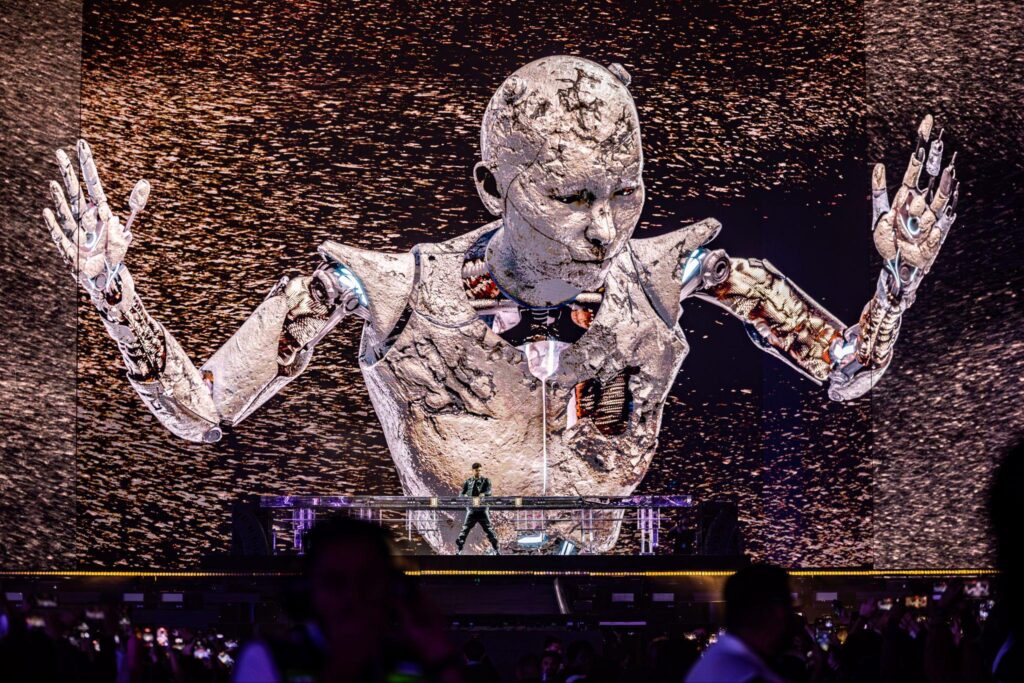
The music delivered immediately. Benson Boone and Post Malone set the tone on the opening night, reminding everyone why Soundstorm attracts global heavyweights who don’t dial it in. Swedish House Mafia brought the kind of collective memory that only comes from years of shared soundtracks. By night two, Balqees’ voice filled the Big Beast with a confidence that felt rooted and expansive at the same time, while Pitbull turned nostalgia into a full body experience and Anyma transformed visuals into something almost architectural. DJ Snake’s presence threaded through the weekend, culminating in moments that felt engineered to be talked about long after the lights went down.
But what made this edition resonate wasn’t just who was on the biggest stage. It was how deliberately regional and local talent was positioned at the heart of the experience. The new 6AG stage didn’t feel like a side project. It felt central. Saudi and Middle Eastern artists weren’t warming up the crowd. They were defining the sound. Ayed, Zena Emad, Ibrahim Alhakami, Dhom Altlasy and others performed to packed spaces that stayed full because people chose to be there, not because they happened to pass through.
“Soundstorm is no longer a festival on a calendar. It’s a system designed to keep culture moving year-round.”
Ahmad “Baloo” Alammary, CCO, MDLBEAST
Out west, the Tunnel stage anchored a techno district that felt clubby, immersive and intense. Fisher, Calvin Harris, Afrojack and Armin van Buuren drew dense crowds, but the atmosphere stayed intimate in a way that surprised even seasoned festivalgoers. Plexi, Port, Log and Silk each had their own personality, reinforcing the sense that Soundstorm isn’t one festival trying to do everything, but many experiences layered together with intent.
Then there were the details that quietly reshaped the cultural experience. The HER zones weren’t presented as a side feature. They were woven into the fabric of the site. Eight female only viewing areas, five new HER lounges, a dedicated path stretching over two kilometres across the festival ground. Not symbolic gestures, but practical, visible infrastructure that made participation easier, safer and more comfortable for women. It felt matter of fact, not performative. That normalisation is its own kind of progress.
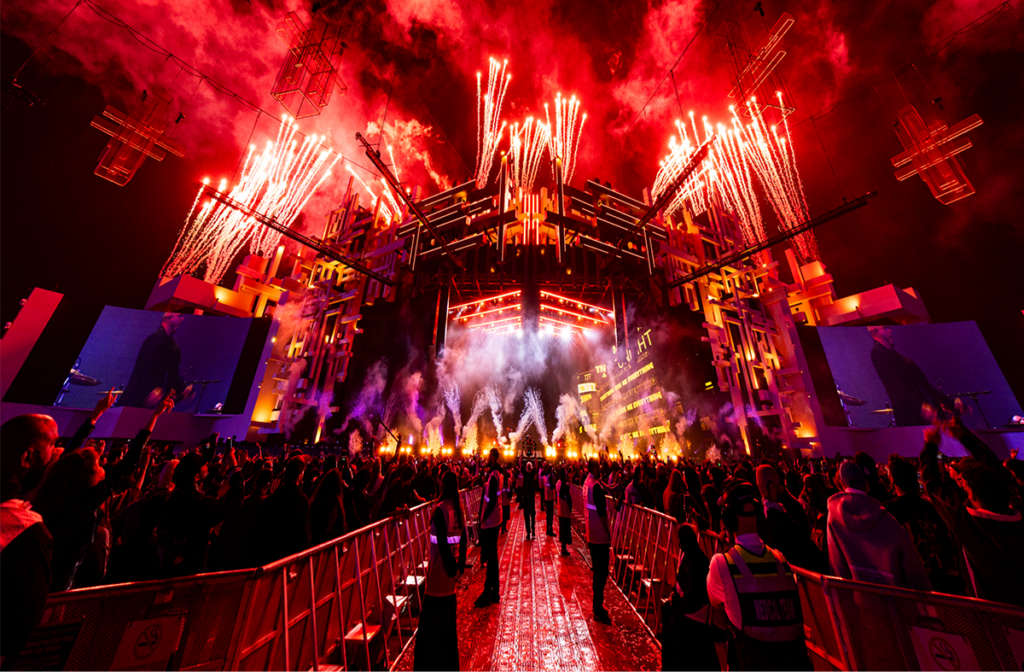
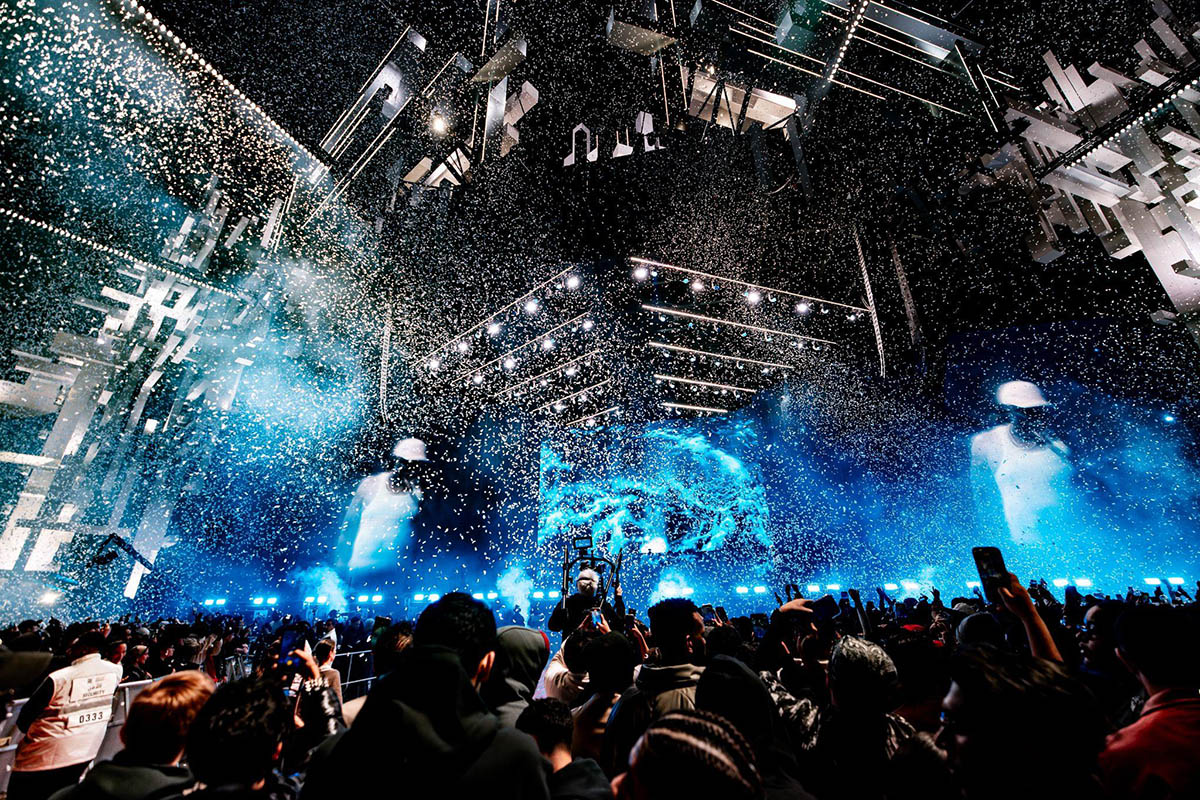
Above it all, technology played its part without stealing the show. Two thousand two hundred square metres of screens wrapped performances in light and motion. Drone shows turned the night sky into a shared canvas, not as spectacle for spectacle’s sake, but as an extension of the music itself. The production never felt like it was competing with the artists. It was in conversation with them.
What Soundstorm 2025 ultimately demonstrated is something Vision 2030 often talks about but rarely gets to show so viscerally: what happens when ambition, infrastructure, creativity and trust in local talent align. This wasn’t a festival proving that Saudi Arabia can host world class events. That question has been answered. This was a festival showing what happens when a country stops borrowing cultural formats and starts designing its own.
MDLBEAST has been clear about its long game, and this year it came into focus. Soundstorm is no longer a moment on the calendar. It’s a system. A platform where global artists arrive curious and leave impressed. Where regional talent performs without qualifiers. Where audiences move with confidence, not instruction. Where culture feels lived rather than explained.
As the final sets faded and the crowd began to disperse, the feeling wasn’t that something had ended. It was that something had firmly taken hold. Soundstorm no longer feels like a festival on a calendar, but a system designed to keep culture moving year-round.