




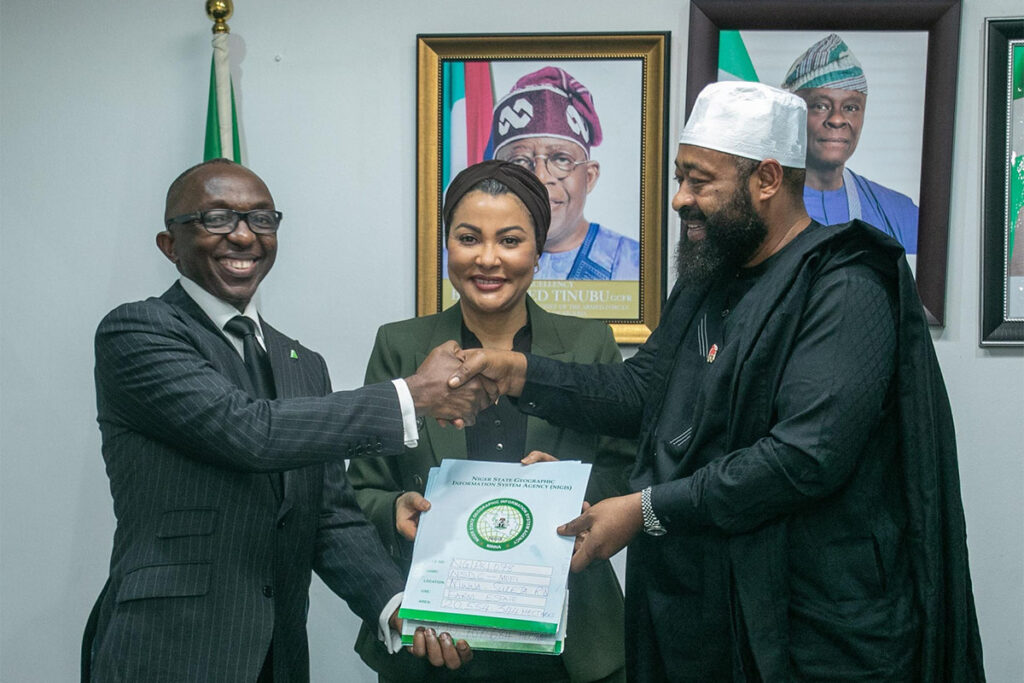
Dr Armstrong with the Minister of State for Finance and Niger State Governor at the launch of the Sustainable Integrated Productive Communities (SIPC)
As we look ahead in 2026, the global investment conversation is quietly recalibrating. Capital is searching for its next cycle, markets where demographics, infrastructure and reform are beginning to align in ways that feel durable rather than dramatic. In that search, one country is appearing with growing seriousness: Nigeria. Not as a speculative bet, but as a system in motion, large enough to matter, young enough to compound, and increasingly structured enough to absorb long term capital.
What has changed is not scale. Nigeria has always had that. What has changed is the architecture behind it. The country is moving away from episodic reform and headline ambition toward something quieter and more consequential: institutions designed to turn assets into engines, policy into platforms, and momentum into habit. At the centre of that shift sits MOFI, the Ministry of Finance Incorporated, now operating less like a government holding company and more like a modern public asset manager with a long horizon and a clear point of view.
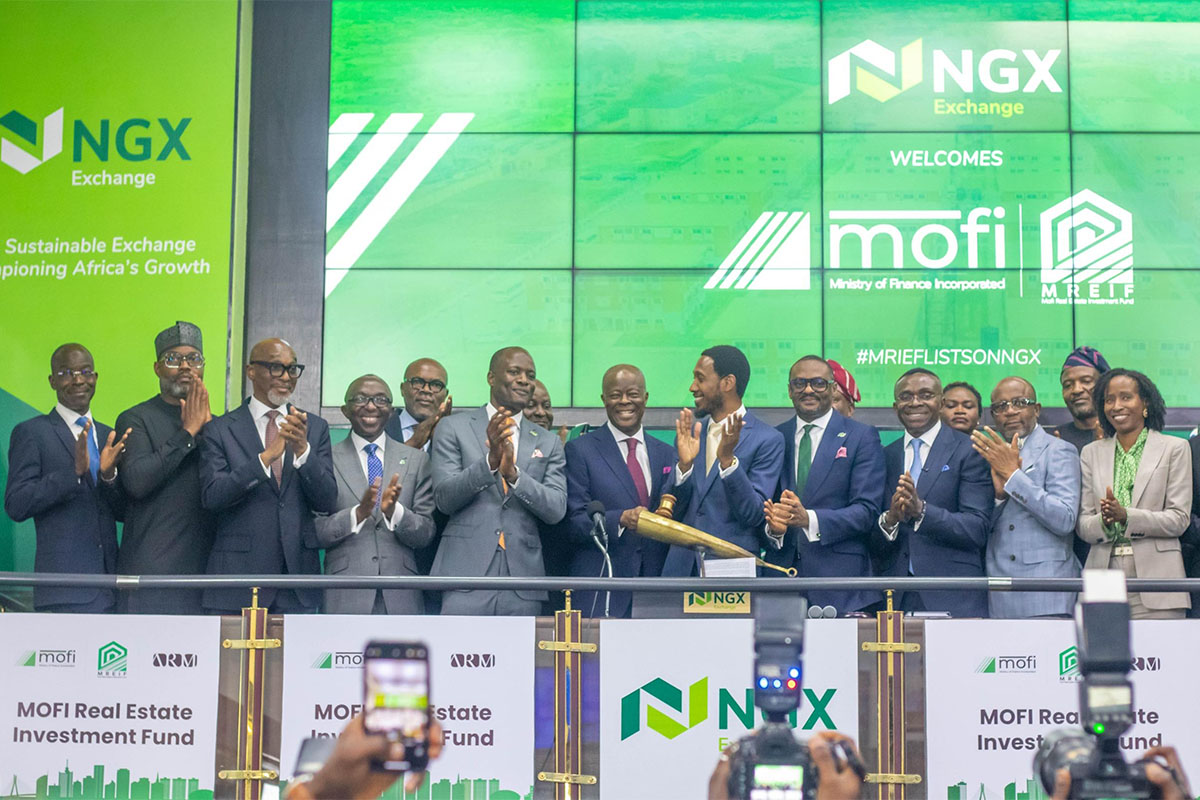
Over the past two years, MOFI has been deliberately rewired. Federal assets have been enumerated and clarified. Governance has been tightened across government linked enterprises. Investment pathways have been designed to look legible to global capital markets rather than bespoke to domestic politics. Housing, infrastructure, technology and energy are no longer framed primarily as policy challenges, but as structured opportunities with defined risk, return and timelines. The signal is intentional: Nigeria is building systems that capital can recognise and stay with.
This is not surface level reform. It is architectural. The National Assets Register brings clarity to what the state owns. Capital market instruments such as the MOFI Real Estate Investment Fund move long standing social needs into regulated, investable territory. Digital infrastructure is treated not as a trend but as a foundational asset that underpins productivity across the economy. The emphasis throughout is consistency. Fewer initiatives, better designed, executed repeatedly.
Only then does leadership come into focus. And this is where Armstrong Takang enters the picture.
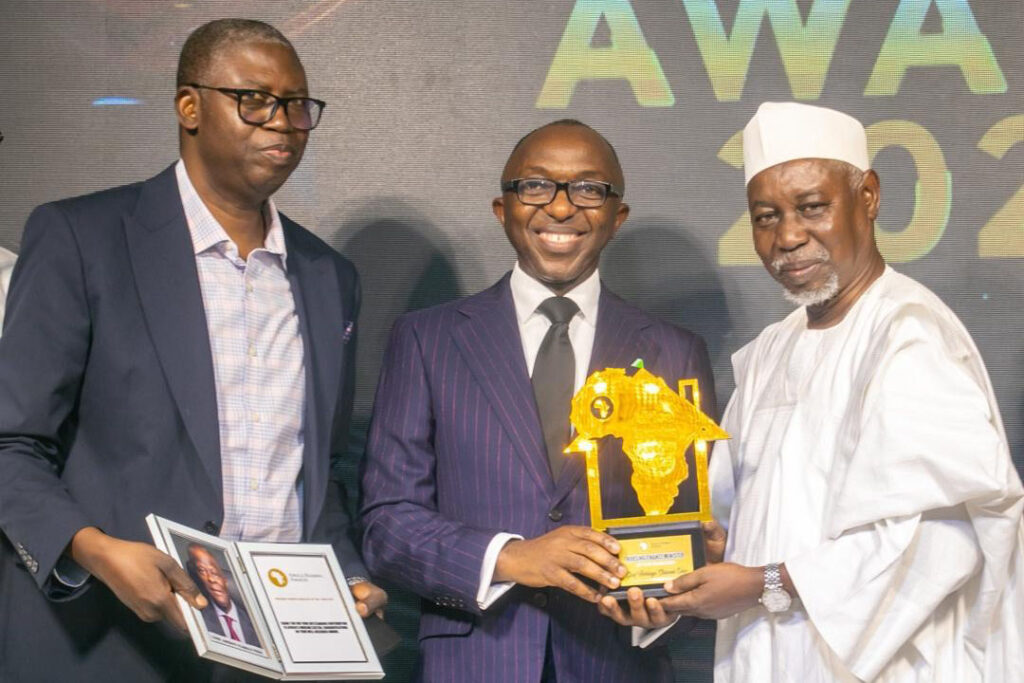
Takang is not a traditional public sector figure. His language is precise, his timelines long, his instincts firmly aligned with how institutional investors think. As MOFI’s chief executive, he represents a new type of African power broker emerging across the continent: less political, more technical, less performative, more credible. He speaks about incentives, governance and skin in the game because those are the mechanisms that determine whether capital arrives and whether it stays.
“Nigeria is moving from promise to platform, and institutions will determine how far it goes.”
Dr Armstrong Takang
What makes Takang relevant is not personality but positioning. He understands that Nigeria’s advantage lies not only in demographics or demand, but in the ability to convert both into repeatable investment frameworks. That philosophy runs through MOFI’s approach. Government capital goes in early to de risk. Standards are set upfront. Private and institutional capital is invited in once the architecture is clear. It is a model built for patience, not hype.
Looking toward 2026, the opportunity is not a single sector but a pattern. Housing finance that works at scale. Digital infrastructure that compounds productivity. Technology applied horizontally across agriculture, healthcare and financial services. These are not moonshots. They are systems that compound quietly. If MOFI continues to execute, Nigeria becomes less a frontier to debate and more a market to price.
For global investors scanning the horizon, that may be the most important shift of all. Nigeria is no longer asking to be believed. It is building the conditions to be trusted.
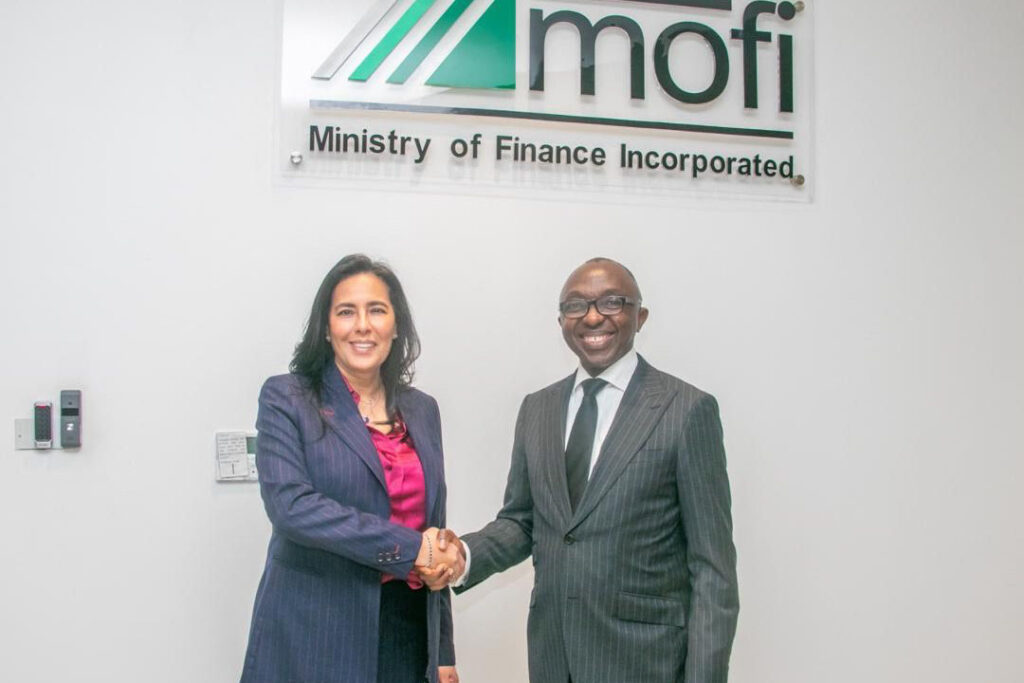
Dr Armstrong with an IFC official
Looking toward 2026, what defines success for MOFI?
Success is when Nigeria’s assets are clearly governed, actively working for the economy, and attracting long term capital without constant intervention.
Which opportunities should international investors be paying closer attention to?
Housing finance, digital infrastructure, and sectors where technology unlocks productivity at scale, particularly agriculture and financial services.
How do you think about investor confidence?
Confidence comes from consistency. When investors see governance, participation and follow through, trust builds naturally.
What role do institutions like MOFI play in shaping how a country is perceived globally?
Institutions are the signal. They tell the world whether progress is episodic or durable. When institutions are predictable, transparent, and professional, they change how a country is priced, how risk is assessed, and how long capital is willing to stay.
If you had to sum up Nigeria’s investment moment in one sentence, what would it be?
Nigeria is moving from promise to platform, and the next decade will reward those who understand that shift.