

Madrid has a way of turning noise into culture. Late night terrazas, scooters threading through traffic, stadium chants drifting into side streets. Now there is a new sound in the mix: the tight, futuristic whir of electric racing, arriving not as a travelling spectacle but as a statement of intent.
On 21 March 2026, Formula E comes to the capital for the first time at the historic Circuito del Jarama, with CUPRA as title partner of the race officially named the 2026 CUPRA Raval Madrid E Prix. It is a milestone that blends sport, branding, and public policy into a single narrative. But it is also something more intimate. Cities do not simply host major events. They internalise them. They turn them into signals about who they are and where they are going.
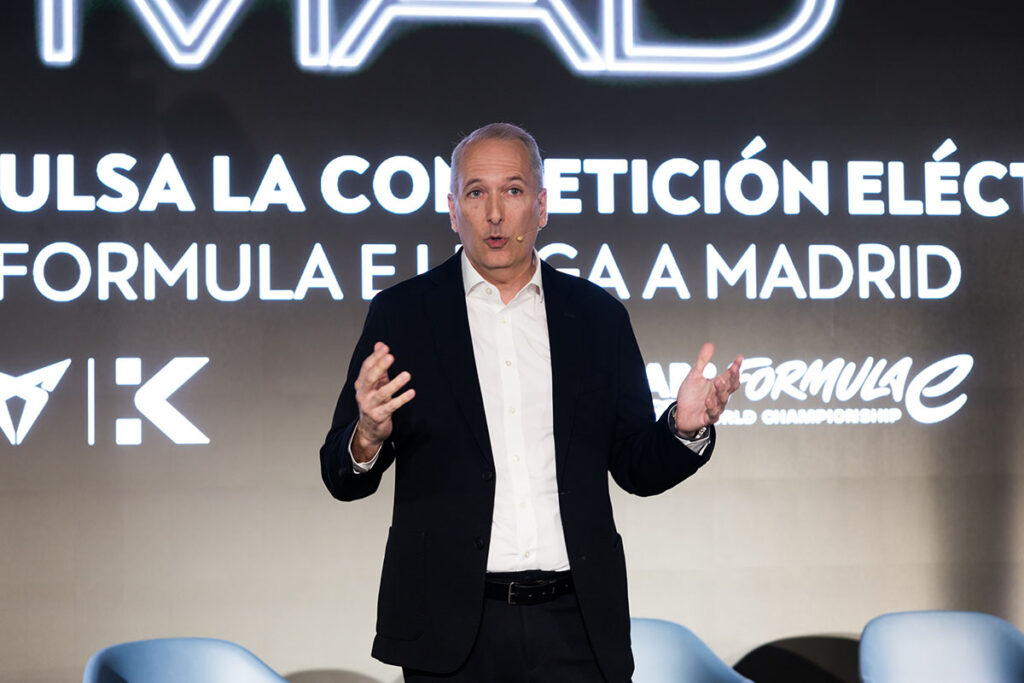
CUPRA chose to announce the partnership at the CUPRA City Garage Madrid, its hybrid cultural space where cars share the stage with talks, exhibitions, and debate. The Garage has become a testing ground for how mobility brands now operate: less showroom, more social platform. In that sense, it is a fitting backdrop. Because this race is not only about performance. It is about persuasion.
“The arrival of Formula E in Madrid marks a new milestone for Spain“
Markus Haupt, CEO CUPRA.
Markus Haupt, CEO CUPRA, framed the moment as a turning point for Spain and for electric mobility as a cultural proposition, not just a regulatory requirement. “The arrival of Formula E in Madrid marks a new milestone for Spain,” he said. “It allows us to bring the excitement and adrenaline of electric racing to a wider audience and helps us drive electrification at every level, from the streets to the racetrack.”
That phrase, from the streets to the racetrack, captures CUPRA’s broader strategy. The company is preparing to launch the CUPRA Raval, its most ambitious urban electric vehicle to date, designed in Barcelona and positioned as a challenge to conventional small car thinking. With its emphasis on design, handling, and attitude, the Raval is intended to make electrification feel aspirational rather than dutiful.
The Madrid race becomes its natural stage. Fans attending the E Prix will get early exposure through on site activations, linking elite competition with everyday mobility.
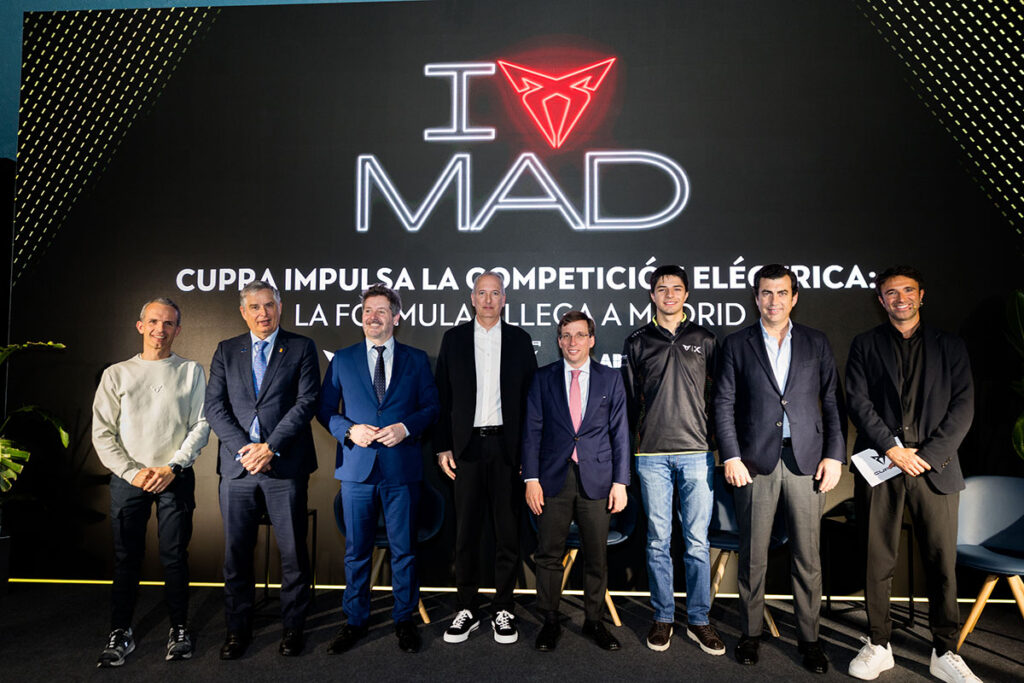
For the city, the event is more than another entry in the sporting calendar. José Luis Martínez Almeida, Mayor of Madrid, argues that the capital is structurally ready for this role. “We are a global capital of motorsport,” he said, noting that only three cities worldwide will host Formula E and Formula 1 in the same year. “Formula E is here to stay. It reinforces Madrid as an open, vibrant city full of energy.”
Regional authorities are equally invested. Mariano de Paco Serrano, Minister of Culture, Tourism and Sport for the Community of Madrid, has described Formula E as one of the most innovative competitions in motorsport, predicting that 2026 will bring more than 400 major events to the region, including the return of Formula 1, with an estimated economic impact of around one billion euros in tourism activity.
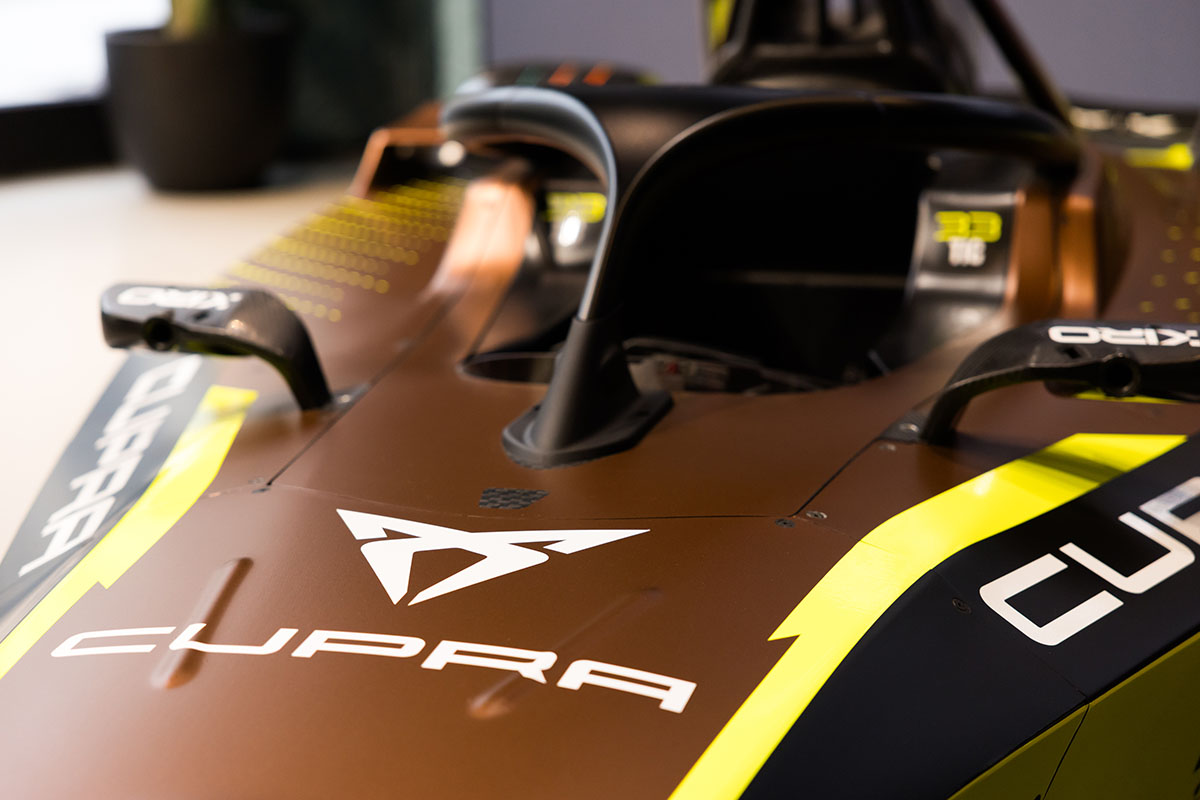
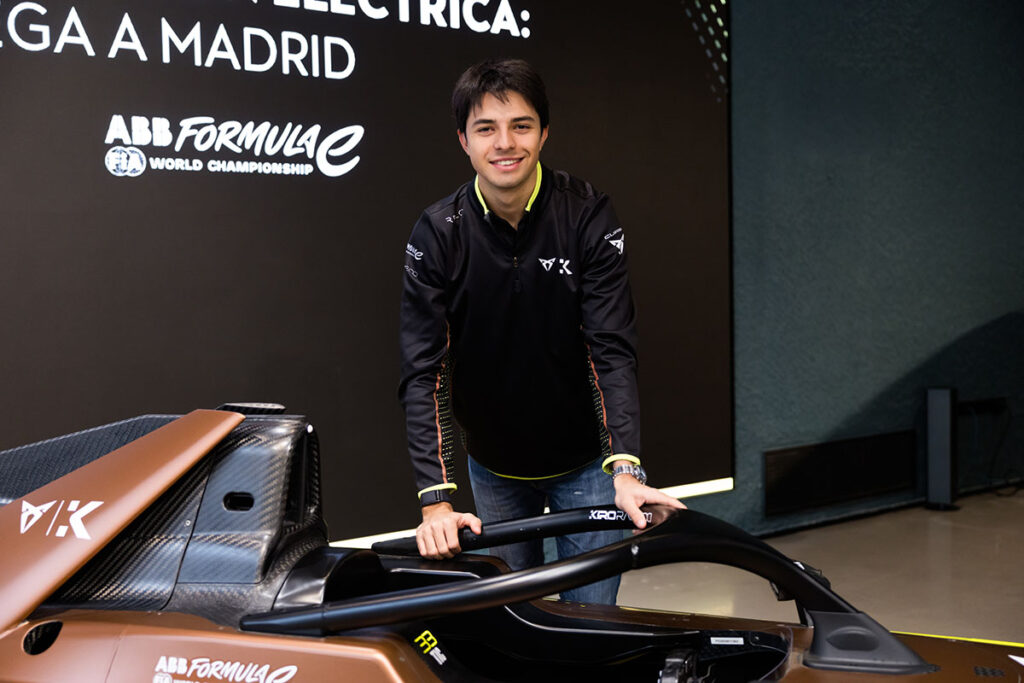
On the competitive side, the race also marks a homecoming of sorts for CUPRA KIRO. It will be the team’s first appearance on Spanish soil, led by team director Russell O’Hagan and drivers Pepe Martí and Dan Ticktum. For Martí, the symbolism is clear. “I’m proud to represent CUPRA KIRO at a time when electric championships are making history,” he said. “Racing in Madrid for the first time will be unforgettable.”
O’Hagan’s focus is more operational. “We don’t just want to show our strength on our best days,” he said. “We want to be competitive every single race weekend.” It is the language of a team moving from experimentation to execution.
Running beneath the headlines is a larger story about how motorsport continues to function as a laboratory for technological change. Carmelo Sanz de Barros, President of the Royal Automobile Club of Spain and the FIA Senate, sees the Madrid E Prix as proof of that role, highlighting how racing accelerates innovation while reinforcing Spain’s position within the global motorsport ecosystem. CUPRA, he argues, plays an essential part in that process.
In that context, the Madrid E Prix is not simply a race. It is a public demonstration of how cities, brands, and technologies are renegotiating their relationship. It reflects a shift from compliance to conviction, from sustainability as obligation to sustainability as ambition.
In a city that has always understood performance, whether on stage, on screen, or on the street, Formula E is about to become part of the urban rhythm. Less a visiting global showcase, more a permanent signal of where Madrid believes the future is headed.