


It’s not every day that a luxury tourism developer announces the discovery of species potentially unknown to science. But Red Sea Global (RSG), the Saudi company behind The Red Sea and AMAALA destinations, has never been in the business of following the status quo.
In what may be one of the most comprehensive terrestrial biodiversity studies ever conducted by a private developer, RSG—partnering with Portugal’s University of Porto and its BIOPOLIS/CIBIO research center—has released the findings of a two-year survey that spans over 13,000 square kilometers of Saudi Arabia’s desert, volcanic fields, wetlands, and mountain ecosystems. The results are groundbreaking: several species that may be entirely new to science, 11 newly identified local Key Biodiversity Areas, and a redefinition of what conservation-first tourism development can look like in one of the world’s most ambitious transformation stories.
Among the standout discoveries: a scorpion, two species of gecko, and a small desert mammal—all previously unrecorded. It’s an eye-opening contribution to science in a region historically underexplored by biologists, and it challenges outdated assumptions about deserts being barren of life. “These landscapes are home to some of the most highly adapted and specialized fauna on the planet,” says John Pagano, group CEO of Red Sea Global. “We now have a granular understanding of what lives where—and how best to protect it.”
And protect it they intend to. The survey forms the ecological backbone of RSG’s long-term strategy to deliver a net conservation benefit of 30% by 2040. In other words, this vast swathe of Saudi Arabia will be more ecologically vibrant after development than before. That kind of promise might sound like greenwashing in other contexts. Here, it’s being backed with data, scientific partnerships, and tangible conservation designations.
“We’re proving that tourism development can serve nature, not destroy it. And we’re doing it at scale.”
John Pagano, CEO, Red Sea Global
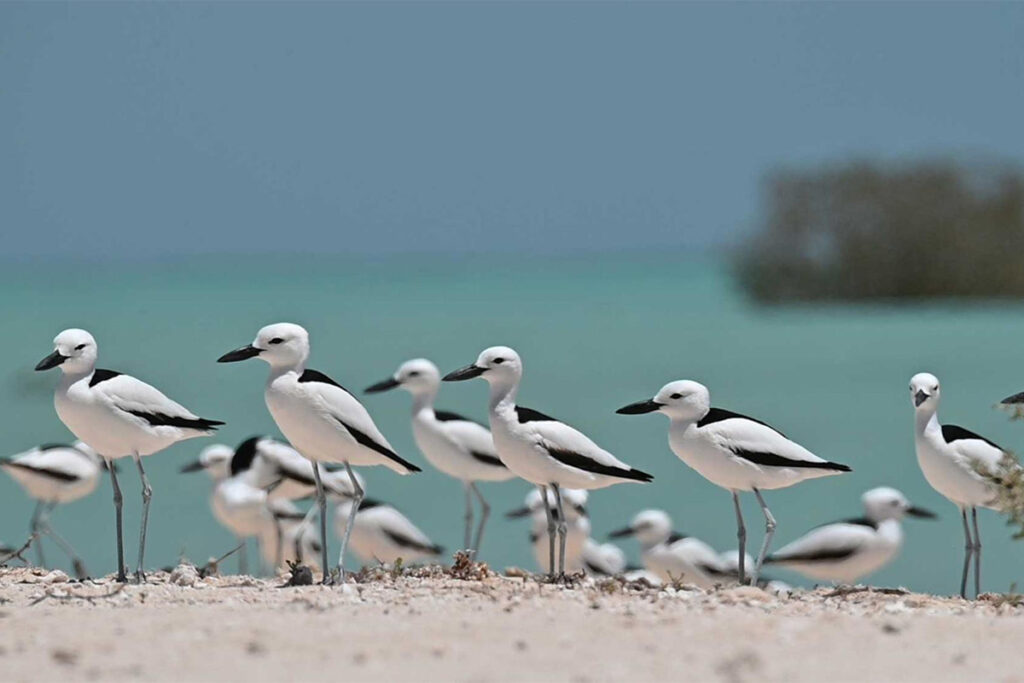
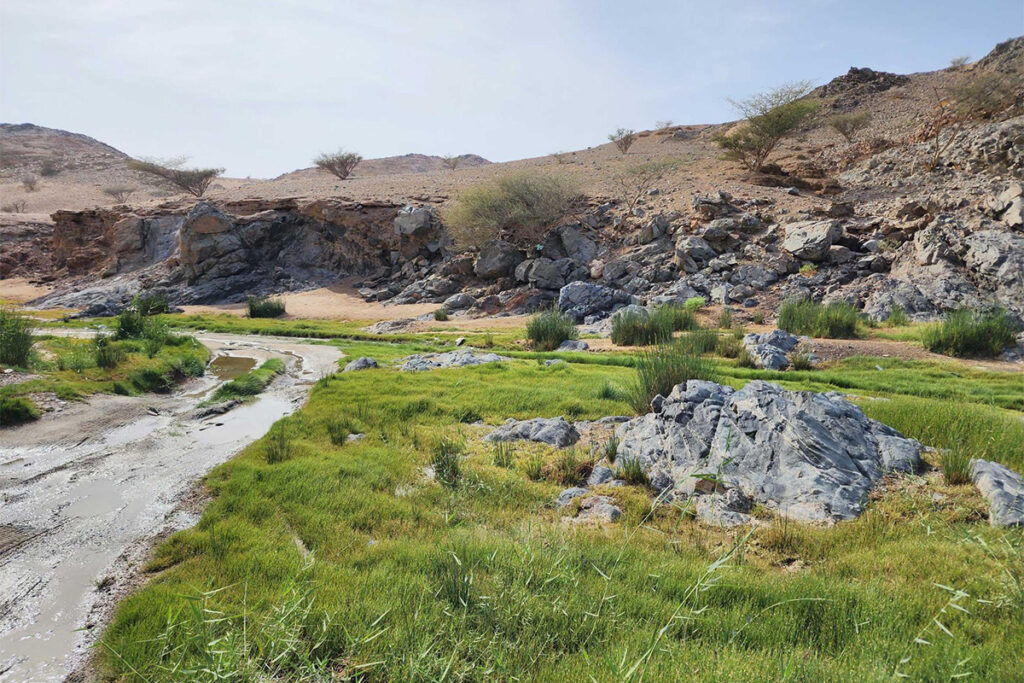
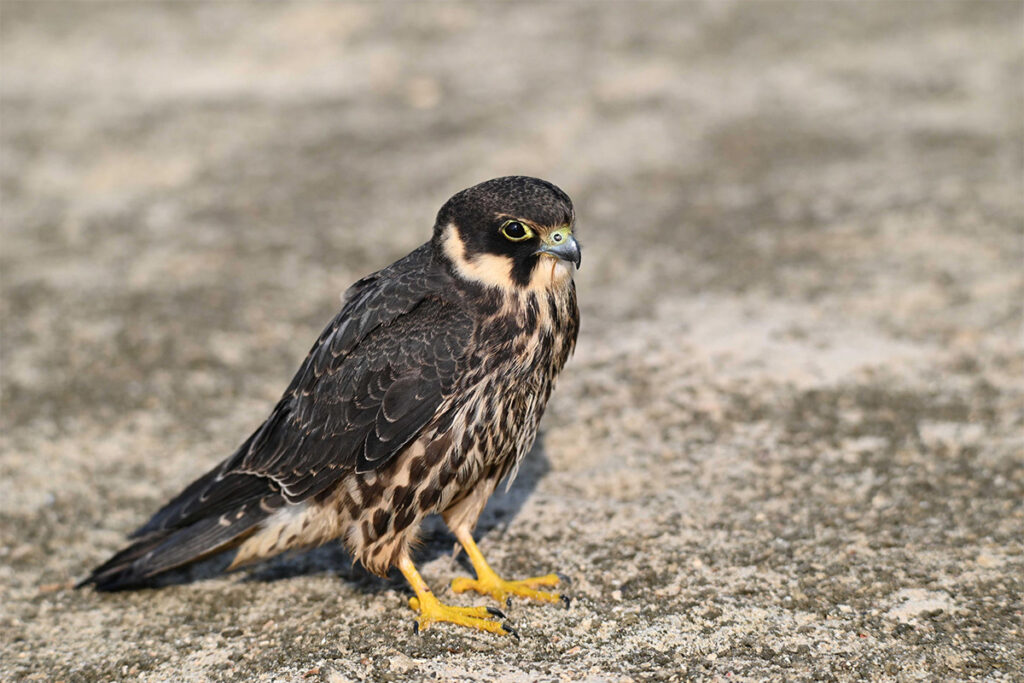
Most notably, the study revealed 11 local Key Biodiversity Areas (KBAs)—sites recognized using IUCN standards for their critical role in sustaining rare or at-risk species. Among them: Al-Wajh Bank, a vital stopover for migratory birds like the Crab Plover and Sooty Falcon, and Upper Wadi Al Hamd, an important refuge for the elusive Arabian Wolf. These KBAs now anchor conservation efforts across the Red Sea and AMAALA regions, protecting 136 species of local conservation concern, nearly a quarter of all biodiversity recorded in the zone.
Many of those species were previously threatened, locally restricted, or poorly understood. The endangered Nubian Ibex, the Arabian Woodpecker, and the Egyptian Slit-faced Bat are all part of a fragile, interconnected web that RSG is now helping to document and preserve. Even more remarkably, 19 species identified are endemic to the Arabian Peninsula, making their protection not just a national priority but a global one.
What makes this effort different is not just its scale, but its integration. This isn’t a side initiative or a PR-friendly add-on. It’s foundational. The survey’s data is now informing every development decision RSG makes, from where to build, to where not to. “We’re showing that environmental protection and high-end tourism are not mutually exclusive,” says Pagano. “In fact, they can—and should—reinforce one another.”
This is regenerative tourism in action. Not the buzzword version, but the kind that involves rewilding, restoration, and a measurable lift in ecological health. It builds on RSG’s earlier marine survey of the Red Sea coastline and supports broader national ambitions under the Saudi Green Initiative.
It also sends a powerful message globally: that emerging economies don’t have to repeat the ecological mistakes of the past. With the right science, ambition, and investment, it’s possible to develop—and to repair simultaneously.
And that scorpion? It might just be the icon of a new era in tourism: rare, unexpected, and exactly where it belongs.