

In just a few days, the global stage shifts once again to Riyadh. The ninth edition of the Future Investment Initiative — FII9 — is about to open its doors, and with it, a new wave of ideas, alliances, and energy will ripple across the world. For three days, from October 28 to 30, the King Abdulaziz International Conference Center will host a gathering that has become more than an event. It is a symbol of how quickly the world, and Saudi Arabia, are changing.
When the first FII took place in 2017, few could have imagined the scale of what it would become. What began as a bold experiment to connect investors with opportunities in a reforming economy has evolved into one of the most influential conversations on the planet — a kind of global brainstorming lab for the future. Over the years, its stage has hosted prime ministers, CEOs, Nobel laureates, tech founders, and climate scientists. Deals have been signed, partnerships formed, and ideas that once sounded impossible have quietly moved into motion.
This year’s FII9 arrives at a time when the world feels in flux — politically, economically, and technologically. Yet that is exactly what gives the event its pulse. Where some see uncertainty, FII sees momentum. The 2025 theme captures this sense of acceleration: the need to redefine prosperity, close inequality gaps, and rethink the rules of trade, technology, and growth. It is an agenda that could not be timelier.
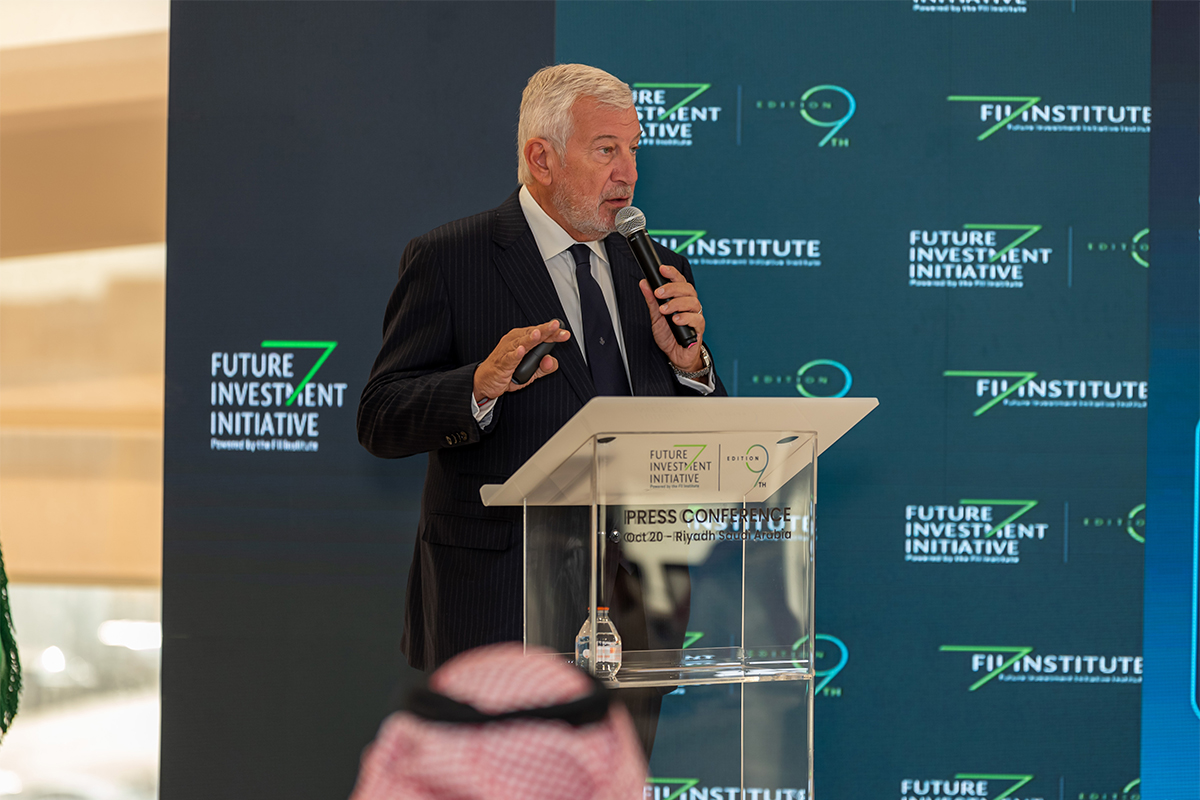
“Prosperity is the common aspiration of nations, economies, and individuals alike,”
Richard Attias, executive committee chair, acting CEO FII Institute
The lineup reads like a snapshot of the world’s power map. From Saudi Arabia’s energy minister HRH Prince Abdulaziz bin Salman and FII Institute chairman Yasir Al-Rumayyan, to global figures such as China’s Vice President Han Zheng, UK Chancellor Rachel Reeves, WTO Director-General Ngozi Okonjo-Iweala, and Rwanda’s President Paul Kagame, the range of voices signals ambition on a global scale. Add to that Google’s Ruth Porat, Citi’s Jane Fraser, Bridgewater’s Ray Dalio, and Snap’s Evan Spiegel, and it is clear that this is where finance, technology, and policy collide in real time.
The program, with over 250 sessions, will explore everything from quantum computing and AI governance to the next phase of the energy transition — all threaded by one central question: how do we build shared prosperity in a world that no longer plays by old economic rules? It is a question that goes to the heart of Saudi Arabia’s own transformation under Vision 2030, where diversification, innovation, and sustainability have become the defining pillars of a new national identity.
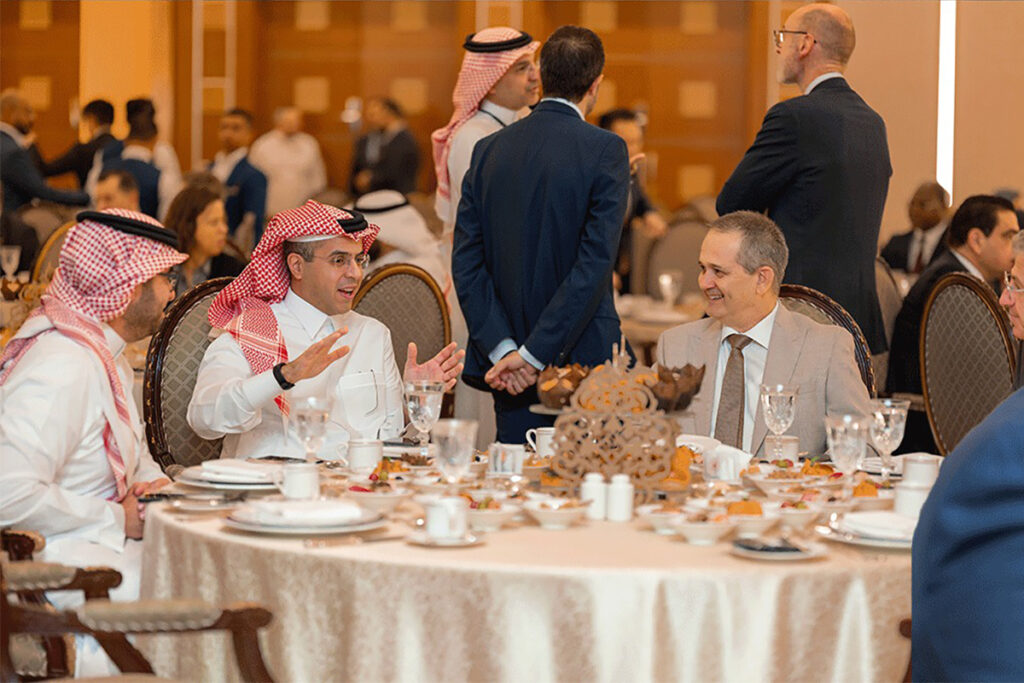
There is something unmistakably kinetic about the atmosphere in Riyadh during FII week. The corridors buzz with possibility. Deals happen over coffee and dates, and new collaborations are born in moments that feel spontaneous yet historic. For those who have watched the story unfold over nine editions, the transformation is as much about mindset as it is about capital.
If the last decade was about disruption, the next will be about design — building systems that are smarter, more inclusive, and resilient. And as the world’s attention turns once again to Riyadh, FII9 stands ready not just to discuss the future, but to shape it.